
Apr 17, 2026 · 8 min read · By Vikram Taneja
Worth Its Weight in Gold: Why Saffron Is the World's Most Expensive Spice
"The price of saffron is not marketing — it is the precise reflection of agricultural labor, biological constraint, and the immutable mathematics of flower yield."
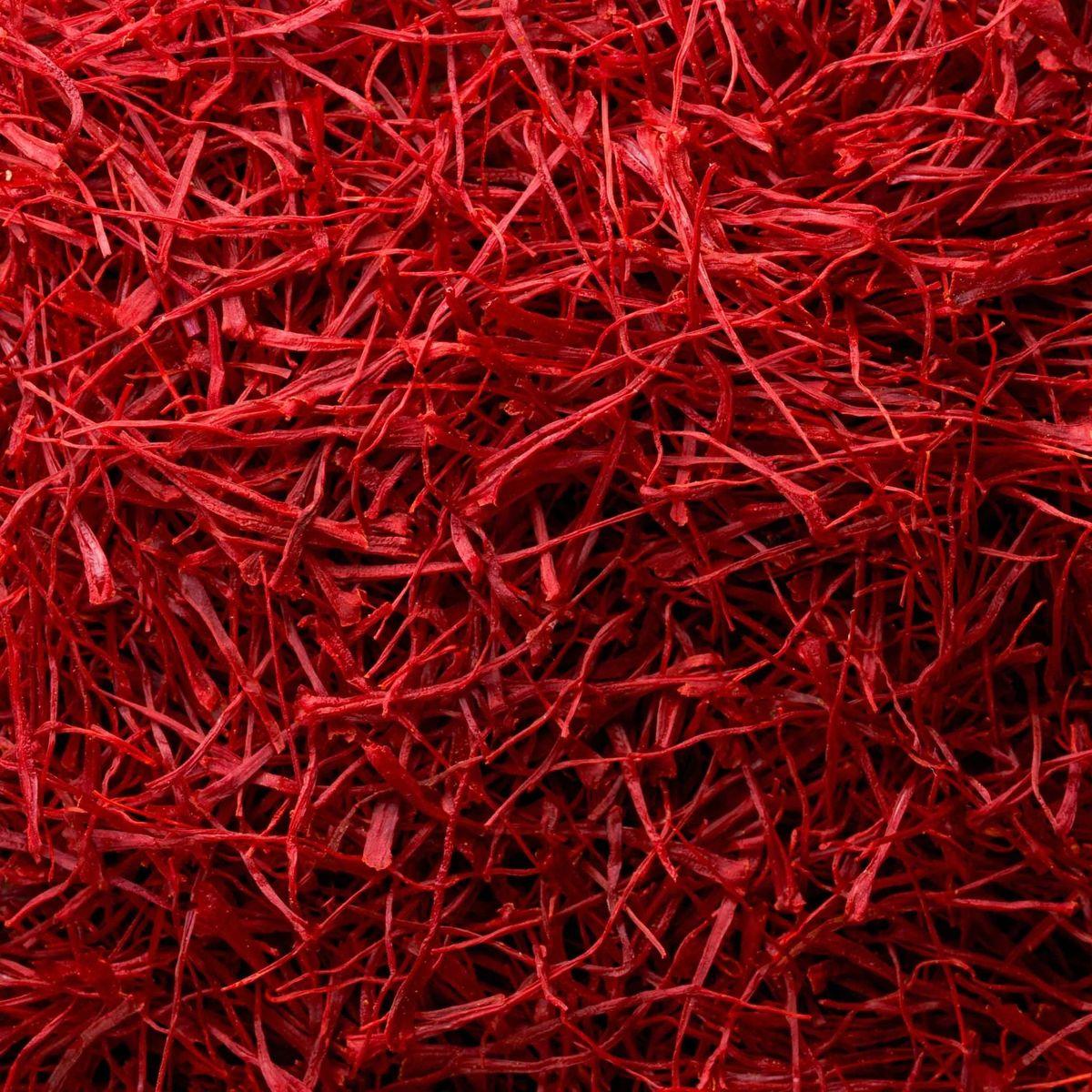
At wholesale prices ranging from $5,000 to over $10,000 per kilogram, saffron consistently ranks as the most expensive spice in the world by weight — more valuable, gram for gram, than silver and frequently approaching the value of gold during periods of supply scarcity. This pricing is not the result of artificial restriction, marketing manipulation, or trade collusion. It is the direct and unavoidable consequence of the biological constraints of the Crocus sativus plant, the agricultural labor required to harvest and process its stigmas, and the basic arithmetic of how many flowers it takes to produce a single gram of dried saffron. Understanding why saffron costs what it does is the first step toward understanding why premium grade matters so much when you do invest in it.
The Flower-to-Gram Arithmetic
Every Crocus sativus flower produces exactly three stigmas — three threads of saffron. Each fresh stigma weighs approximately seven milligrams; after drying, it weighs roughly two milligrams. The arithmetic that follows is unforgiving: producing a single gram of dried saffron requires the stigmas of approximately 150 to 200 flowers. A single pound (453 grams) of dried saffron requires the stigmas of roughly 75,000 flowers. Producing a single kilogram requires harvesting and processing roughly 170,000 flowers. And every single one of those flowers must be plucked by hand from the field, at dawn, during a harvest window that lasts only two to three weeks in autumn.
The Dawn Harvest: Why Hand Labor Is Non-Negotiable
Saffron flowers open in the cool early morning and must be harvested before the sun fully opens the petals, which causes the stigmas to begin wilting and lose their volatile aromatic compounds. This means that across the brief autumn harvest, every flower in every field must be picked by hand within a window of roughly two to three hours each morning. In a productive Herat field, a skilled harvester can pluck perhaps two thousand flowers in a morning — which translates to roughly twelve grams of dried saffron, after all subsequent processing losses. Multiple agricultural research programs have attempted to mechanize the harvest, but the combination of fragile petals, asynchronous flowering, and the narrow harvest window has defeated every robotic and automated approach attempted to date. Hand labor remains the only viable production method.
The Hand-Trim: Hours of Skilled Work Per Gram
After the flowers are harvested, the most labor-intensive phase of saffron production begins: the hand-trimming of stigmas from the flowers. Skilled workers — traditionally women in Herat — open each flower individually, extract the three stigmas, and separate them from the pale yellow style at the base. For premium A+ Super Negin saffron, the style must be removed cleanly with no traces left attached, leaving only the deep-red stigma tips. An experienced trimmer can process perhaps a hundred grams of dried Super Negin saffron in a day's work — and this only after years of practice developing the necessary dexterity and visual acuity. The trimming labor alone accounts for a substantial portion of the final cost of premium saffron.
Yield Per Acre: The Land Economics
Even with optimal cultivation conditions, a single acre of mature saffron fields produces only two to four kilograms of dried saffron per year — a remarkably low yield compared to almost any other agricultural crop. By contrast, an acre of black pepper might produce 200 kilograms; an acre of cinnamon, 500 kilograms; an acre of vanilla, perhaps 50 kilograms after similar hand-processing. This yield ceiling is set by the biology of the crocus itself: each corm produces only a few flowers per year, and field density is limited by the need to allow leaves and corms space to develop. The combination of low yield-per-acre and high labor-per-gram is the fundamental reason saffron commands its remarkable price.
Why Premium Grade Costs More Than the Price Suggests
Within the saffron market, A+ Super Negin commands a substantial premium over lower grades — often two to three times the price of Pushal or low-grade Sargol saffron. This premium is justified by both the chemistry and the labor: Super Negin requires more careful trimming (removing every trace of yellow style), more rigorous sorting (selecting only the thickest, longest, fully intact threads), and yields less dried saffron per kilogram of fresh stigmas due to the higher trim loss. But because Super Negin contains roughly two to three times the crocin and safranal concentration of lower grades, you actually use far less of it per dish — typically half to a third of the quantity. On a cost-per-meal basis, premium saffron is often comparable to or even more economical than lower-grade alternatives, while delivering dramatically superior color, aroma, and flavor.
The Bottom Line: Saffron's Price Reflects Reality
Saffron's price is not a luxury markup. It is the precise mathematical reflection of how many hands, how many hours, how many flowers, and how many seasons go into producing each gram. When you buy a one-gram tin of A+ Super Negin saffron from Casa Zafferano, you are purchasing the product of roughly 150 to 200 hand-picked flowers, processed by skilled trimmers, tested for chemical purity, and sealed in airtight glass to preserve every milligram of the active compounds. The price you pay represents the true cost of a crop that cannot be cheapened, cannot be mechanized, and cannot be rushed. It is, quite literally, the price of gold — paid in patience, labor, and the unrepeatable biology of a sterile autumn flower.
Published by Vikram Taneja
More from the Journal
Apr 09, 2026
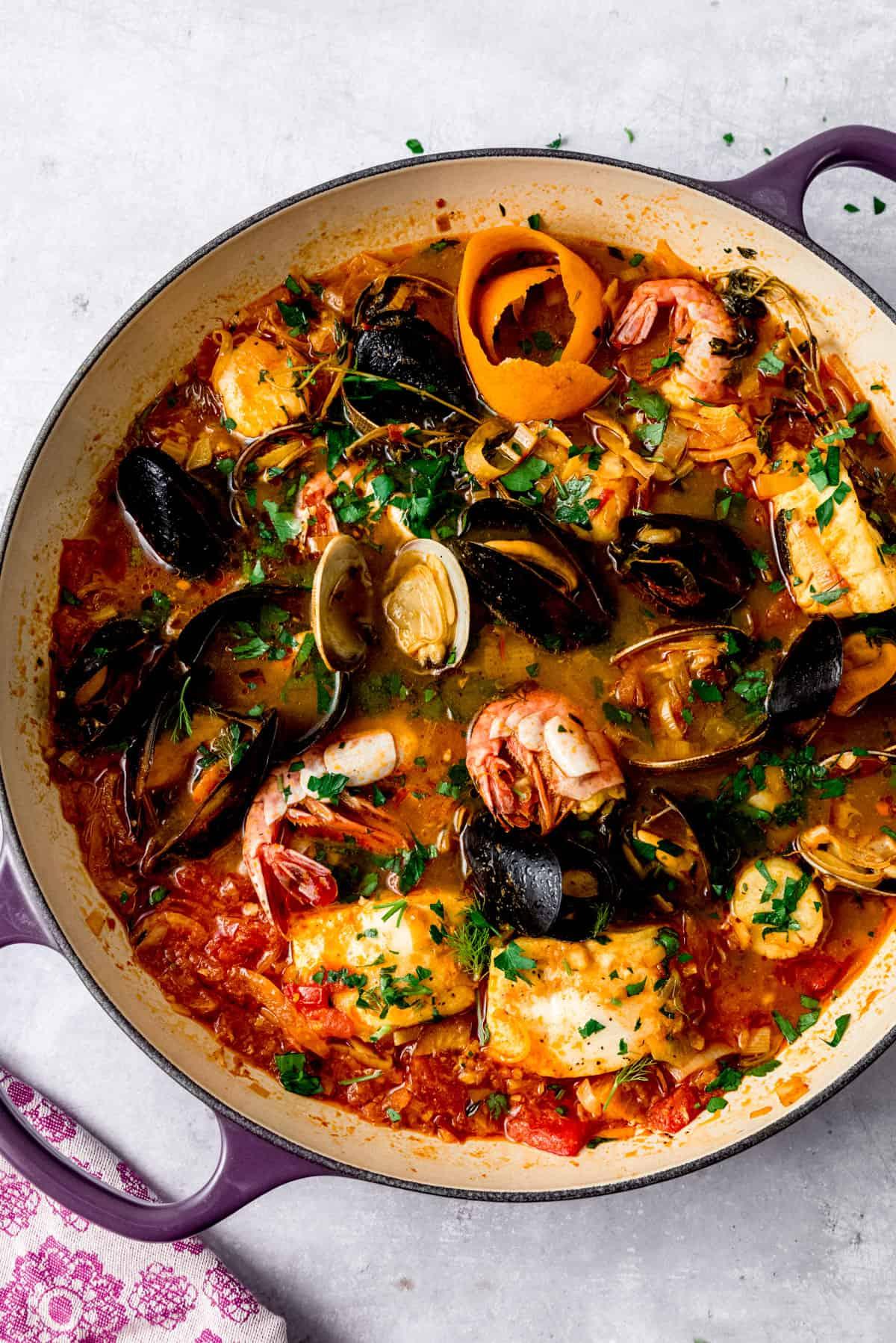
Moroccan Tagine and Saffron: The Slow-Cooked Soul of North African Cuisine
Inside the conical clay vessels of Marrakech and Fez, saffron meets preserved lemon, ginger, and slow-simmered meat to define one of the world's great cuisines.
Apr 08, 2026
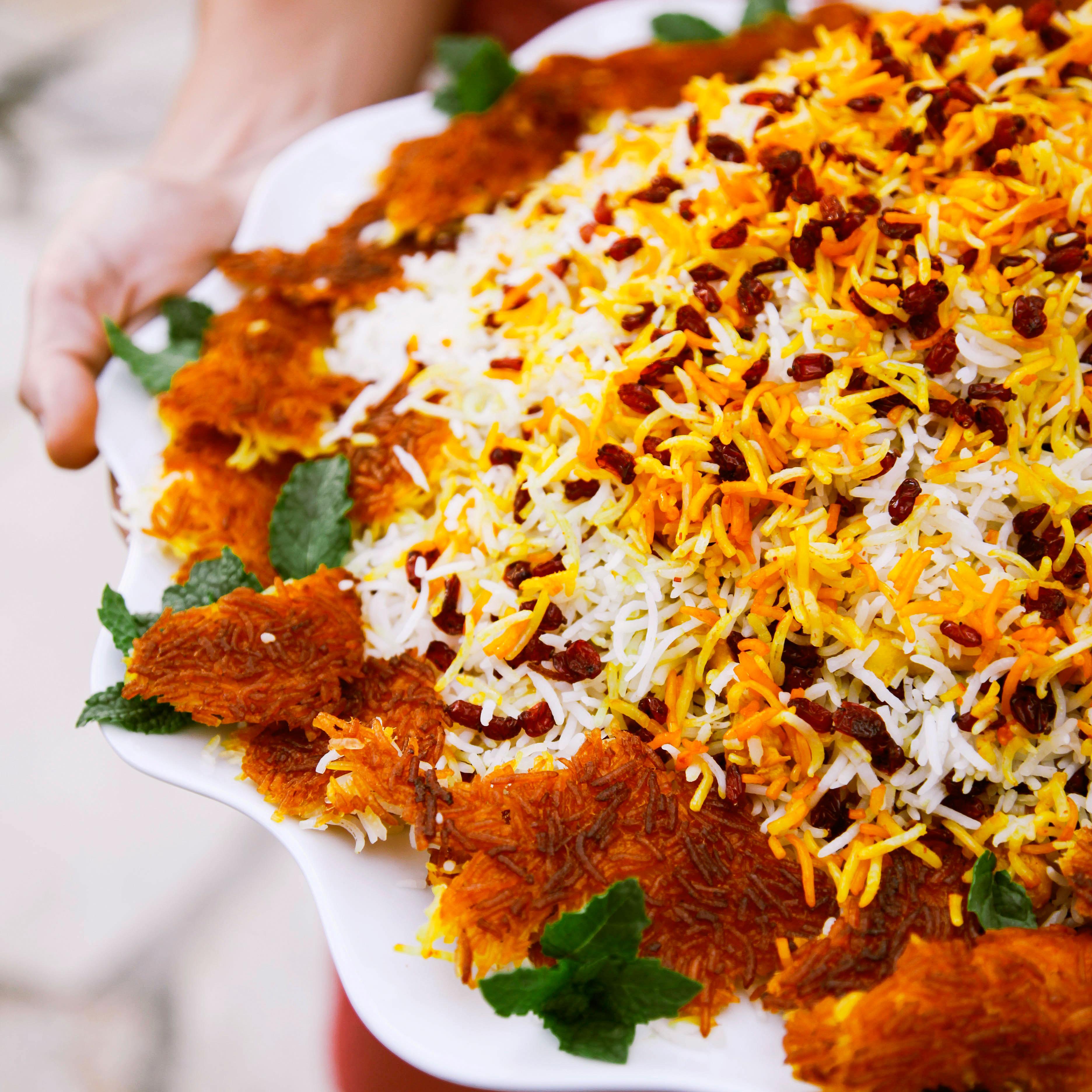
Uzbek Plov: The Saffron-Crowned Centerpiece of Central Asian Hospitality
From Samarkand to Tashkent, the cast-iron kazan and the saffron-perfumed plov define a culinary tradition that has fed Silk Road travelers for over a thousand years.