
Apr 08, 2026 · 8 min read · By Shaya Arya
Uzbek Plov: The Saffron-Crowned Centerpiece of Central Asian Hospitality
"From Samarkand to Tashkent, the cast-iron kazan and the saffron-perfumed plov define a culinary tradition that has fed Silk Road travelers for over a thousand years."
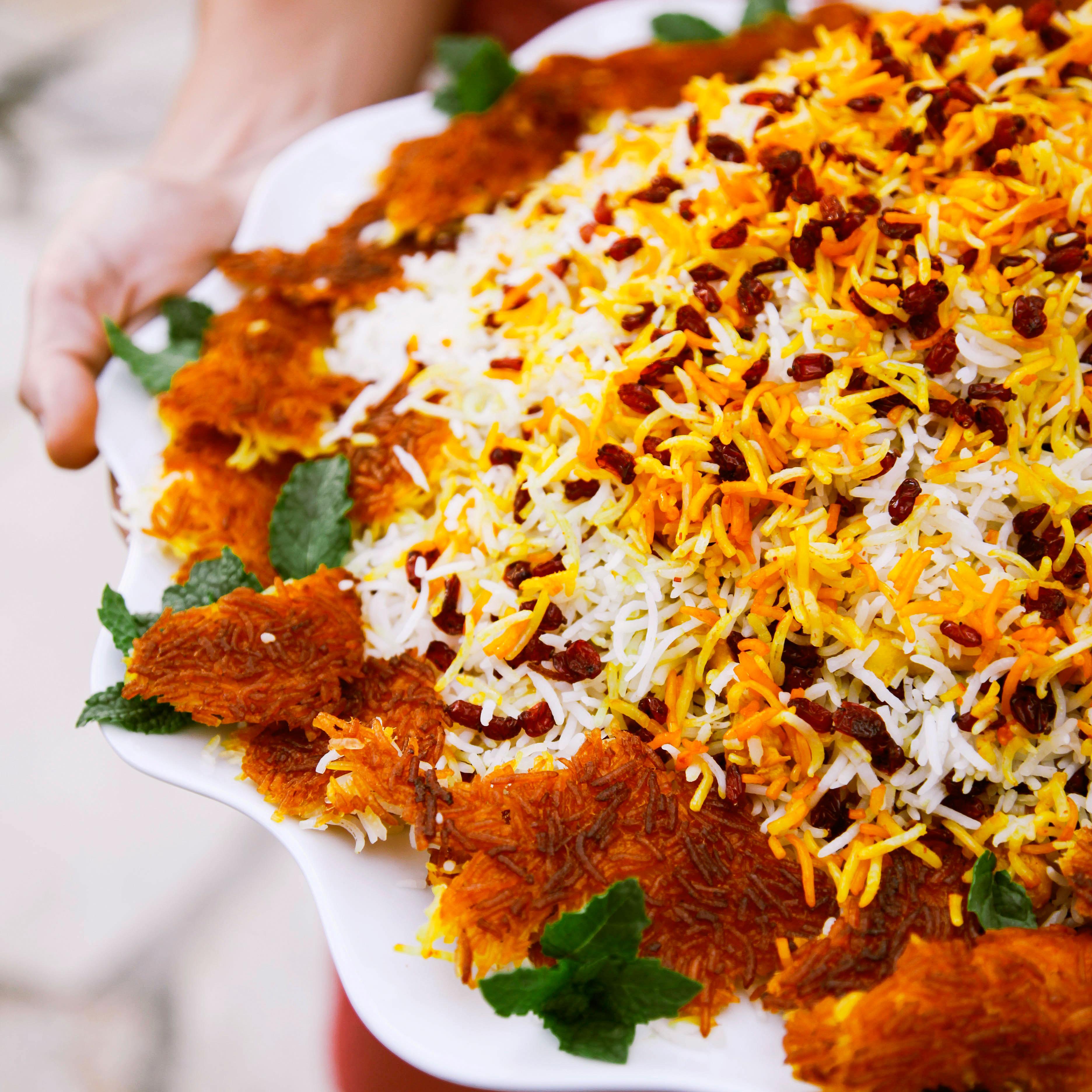
Across the vast steppes and ancient Silk Road cities of Central Asia, one dish unites the culinary traditions of Uzbekistan, Tajikistan, Kazakhstan, Kyrgyzstan, and Turkmenistan: plov. A magnificent one-pot construction of long-grain rice, slow-rendered lamb, golden carrot, sweet onion, garlic, and — for the finest preparations — a generous infusion of saffron, plov is the centerpiece of Central Asian hospitality. UNESCO inscribed the Uzbek tradition of plov-making on its Representative List of the Intangible Cultural Heritage of Humanity in 2016, formally recognizing what every Uzbek family has known for centuries: this is one of the most culturally important rice dishes in the world.
The Kazan: Central Asia's Cast-Iron Vessel
Authentic plov is cooked in a kazan — a heavy, deep, rounded cast-iron pot that distributes heat evenly across its curved walls and base. The kazan's design is not aesthetic but functional: the rounded shape allows the cook to layer ingredients in concentric strata, with the rice cooking gently in the upper levels while the meat and fat slowly render at the bottom. Traditional Uzbek plov is cooked over an open wood fire, with the kazan suspended over the flames; in modern home kitchens, a heavy stove-top Dutch oven serves as a serviceable substitute. The thermal mass of the cast iron is essential — it allows for the prolonged, low-heat simmer that develops the dish's signature depth of flavor without scorching.
Building the Zirvak: The Foundation Layer
Plov construction begins with the zirvak — the savory base of slowly browned meat, fat, onion, and carrot that anchors the dish. Cubed lamb shoulder (or sometimes beef) is browned in rendered tail fat or sunflower oil until deeply caramelized. Thick-sliced yellow onion is added next, sweated until soft and golden. Then comes the most distinctive element of Central Asian plov: enormous quantities of julienned carrot — typically a kilogram of carrot per kilogram of meat. The carrots melt slowly into the fat over an hour of low simmering, releasing their natural sugars and contributing the warm, sweet, deep-orange undertones that define the dish's flavor profile. Ground cumin, coriander seed, and dried barberries are stirred in, along with whole heads of garlic nestled directly into the zirvak.
The Rice and the Saffron Crown
Once the zirvak has developed for an hour, soaked long-grain rice is gently layered on top — never stirred into the meat below — and salted water is poured carefully over the rice until it just covers the grains. The kazan is left undisturbed at medium-low heat as the rice absorbs the saffron-scented broth from below, swelling and elongating. At the critical moment, the cook stirs in a generous infusion of bloomed A+ Super Negin saffron, drizzling it across the top of the rice. The saffron's water-soluble crocin sinks downward through the steaming rice, painting brilliant golden streaks through the white grains, while the fat-soluble safranal binds to the rendered lamb fat below, infusing every grain with floral honey aroma.
The Final Steam: Sealing in the Aroma
When the rice has absorbed the broth, the cook uses a long wooden spoon to create several deep wells in the rice surface, allowing trapped steam to escape evenly. The kazan is then covered tightly — traditionally with a heavy ceramic lid sealed with dough, in modern kitchens with a snug lid wrapped in cloth — and held at very low heat for a final twenty minutes. During this seal, the saffron, lamb, carrot, and rice flavors meld completely, and the bottom layer of rice develops a thin, lightly browned crust similar to Persian tahdig. When the lid is finally lifted at the table, the cloud of saffron-perfumed steam that escapes is the signature scent of Central Asian hospitality — earthy, floral, deeply savory, and unmistakable.
Plating and the Tradition of Sharing
Plov is traditionally served on a single enormous communal platter (lyagan), with the rice mounded into a central peak and the slow-braised lamb arranged on top alongside the whole garlic heads — softened to a sweet, butter-like consistency by the long cook. Diners gather around the platter and eat with their fingers or wooden spoons, dipping into the same shared dish in a ritual that goes back centuries. The communal plating is not merely practical; it carries deep cultural meaning, signaling the unity of the family or community gathered to share the meal. For home cooks introducing Central Asian cuisine into their Seattle kitchens, plov is a remarkable entry point — a one-pot dish that anchors a dinner party of eight or ten with a single magnificent presentation and a saffron-perfumed cloud of steam that arrives at the table before the first bite.
Published by Shaya Arya
More from the Journal
Apr 09, 2026
Moroccan Tagine and Saffron: The Slow-Cooked Soul of North African Cuisine
Inside the conical clay vessels of Marrakech and Fez, saffron meets preserved lemon, ginger, and slow-simmered meat to define one of the world's great cuisines.
Apr 07, 2026
Kashmiri Kahwa: The Saffron-Almond Tea of the Himalayan Foothills
From the snow-fed valleys of Pampore, an ancient morning tea of green leaves, cardamom, almond, and the world's most prized saffron.