
Apr 09, 2026 · 8 min read · By Vikram Taneja
Moroccan Tagine and Saffron: The Slow-Cooked Soul of North African Cuisine
"Inside the conical clay vessels of Marrakech and Fez, saffron meets preserved lemon, ginger, and slow-simmered meat to define one of the world's great cuisines."
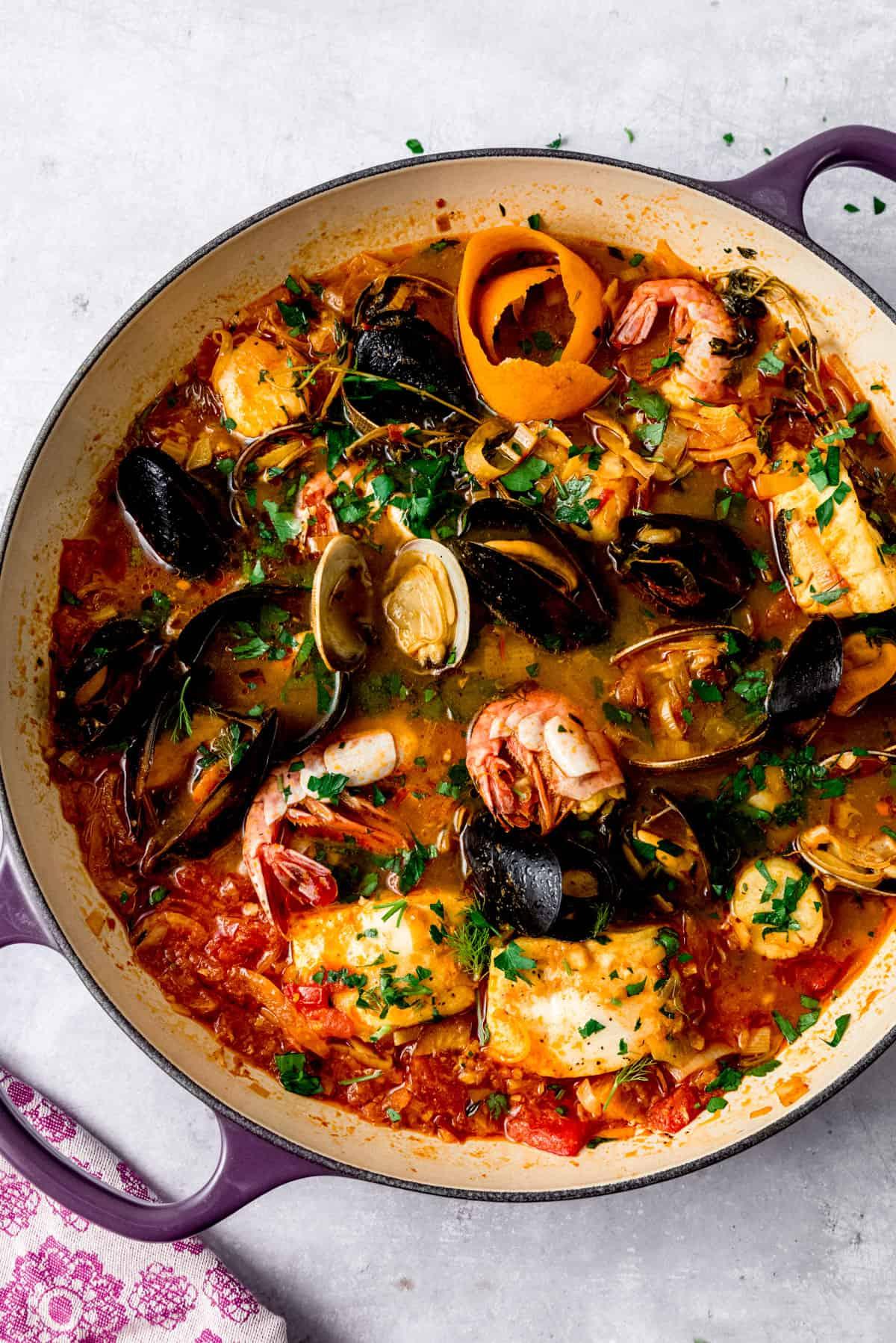
In the medieval medinas of Marrakech and Fez, in the Berber villages of the Atlas mountains, and in the kitchens of Moroccan immigrant families from Casablanca to Brussels, one cooking vessel has anchored the culinary tradition of an entire region for over a thousand years: the tagine. Named for both the conical clay pot it is cooked in and the slow-simmered stew that emerges from it, the tagine represents the genius of arid-climate cooking — a vessel designed to lock in every drop of moisture, every volatile aromatic, every molecular signal that distinguishes long-cooked food from quickly heated food. At the center of nearly every great tagine recipe sits the same golden ingredient that has signaled hospitality and abundance across North Africa for centuries: saffron.
The Physics of the Conical Pot
The tagine vessel itself is a triumph of practical physics. A wide, flat ceramic base provides even heat distribution across the slow-cooked contents, while the tall, conical lid traps rising steam and channels it back down onto the food as condensation. This continuous internal recirculation means that a tagine can simmer for hours over very low heat — often a small charcoal brazier — without ever drying out, even when the cook adds remarkably little liquid at the start. The pot is, in effect, a primitive but extraordinarily effective vacuum system, preserving every volatile compound that escapes from the cooking food and returning it to the dish. This is why saffron-finished tagines retain their floral aroma so beautifully: the safranal that would normally evaporate from an open pot is captured by the cone and dripped back into the simmering broth.
Ras el Hanout: The Saffron Companion Spice
Authentic Moroccan tagine relies on a complex spice base, with saffron almost always paired with the regional spice blend known as ras el hanout — Arabic for 'top of the shop,' referring to the finest spices a merchant offered. A traditional ras el hanout can include twenty to thirty individual spices: cumin, coriander, ginger, sweet paprika, cinnamon, cardamom, clove, nutmeg, mace, allspice, white pepper, dried rose petals, fennel seed, anise, lavender, dried ginger root, and many more. Saffron is sometimes folded into the ras el hanout itself, but more commonly it is added separately, bloomed in warm water and stirred into the tagine in the final twenty minutes of cooking to preserve its delicate aromatics from the long simmer.
The Classic Lamb-and-Prune Tagine
Among the most celebrated of Moroccan tagines is the slow-braised lamb shoulder with prunes — a dish that marries the savory richness of slow-rendered lamb with the sweet-tart density of dried prunes, all unified by saffron, ginger, cinnamon, and a touch of honey. The cook browns the lamb in olive oil with sliced onion and the ras el hanout, then adds a small amount of water, fresh ginger, cinnamon stick, and a pinch of saffron threads. The tagine is sealed and simmered for two to three hours, until the lamb is fork-tender and the cooking liquid has reduced to a glossy, mahogany sauce. In the final twenty minutes, the cook stirs in soaked prunes, toasted almonds, a drizzle of honey, and a final pour of concentrated bloomed A+ Super Negin saffron. The finished tagine emerges glowing gold-mahogany, fragrant with floral honey saffron, sweet prune, warm cinnamon, and the deep savor of slow-cooked lamb.
Preserved Lemon and Saffron: The Chicken Tagine
The other iconic Moroccan tagine pairs bone-in chicken with preserved lemon (l'hamd markad) and green olives. Preserved lemon is whole lemons fermented in salt for several weeks until the rind becomes soft, intensely tangy, and faintly bitter — an unmistakable Moroccan flavor signature. In the chicken tagine, preserved lemon's salty-sour chemistry harmonizes brilliantly with saffron's floral sweetness: the acid lifts the saffron's aromatic esters into the foreground while the salt amplifies the mid-palate complexity. The dish is finished with a generous pour of saffron-bloomed olive oil and a scatter of pale-green Picholine olives. Served with warm Moroccan bread (khobz) for sopping up the sauce, the chicken-preserved-lemon-saffron tagine represents the precise intersection of three thousand years of Mediterranean and Saharan culinary tradition.
Couscous and the Tagine's Companions
Moroccan tagines are almost always served with steamed couscous — fine semolina pellets traditionally hand-rolled and steamed over the tagine itself in a perforated dish called a kessekes. The couscous absorbs the saffron-scented steam rising from the cooking stew below, taking on a faintly golden tinge and a perfumed aroma that carries the tagine's signature even before the first bite. Some Moroccan home cooks also drizzle additional bloomed saffron oil over the steamed couscous just before serving, creating a brilliant golden mound that contrasts beautifully with the deep mahogany of the tagine. For home cooks recreating Moroccan saffron cuisine in Seattle and across the United States, Casa Zafferano's hand-trimmed A+ Super Negin saffron delivers exactly the chemistry — the high crocin density, the strong safranal aroma — that authentic North African slow-cooking demands.
Published by Vikram Taneja
More from the Journal
Apr 08, 2026
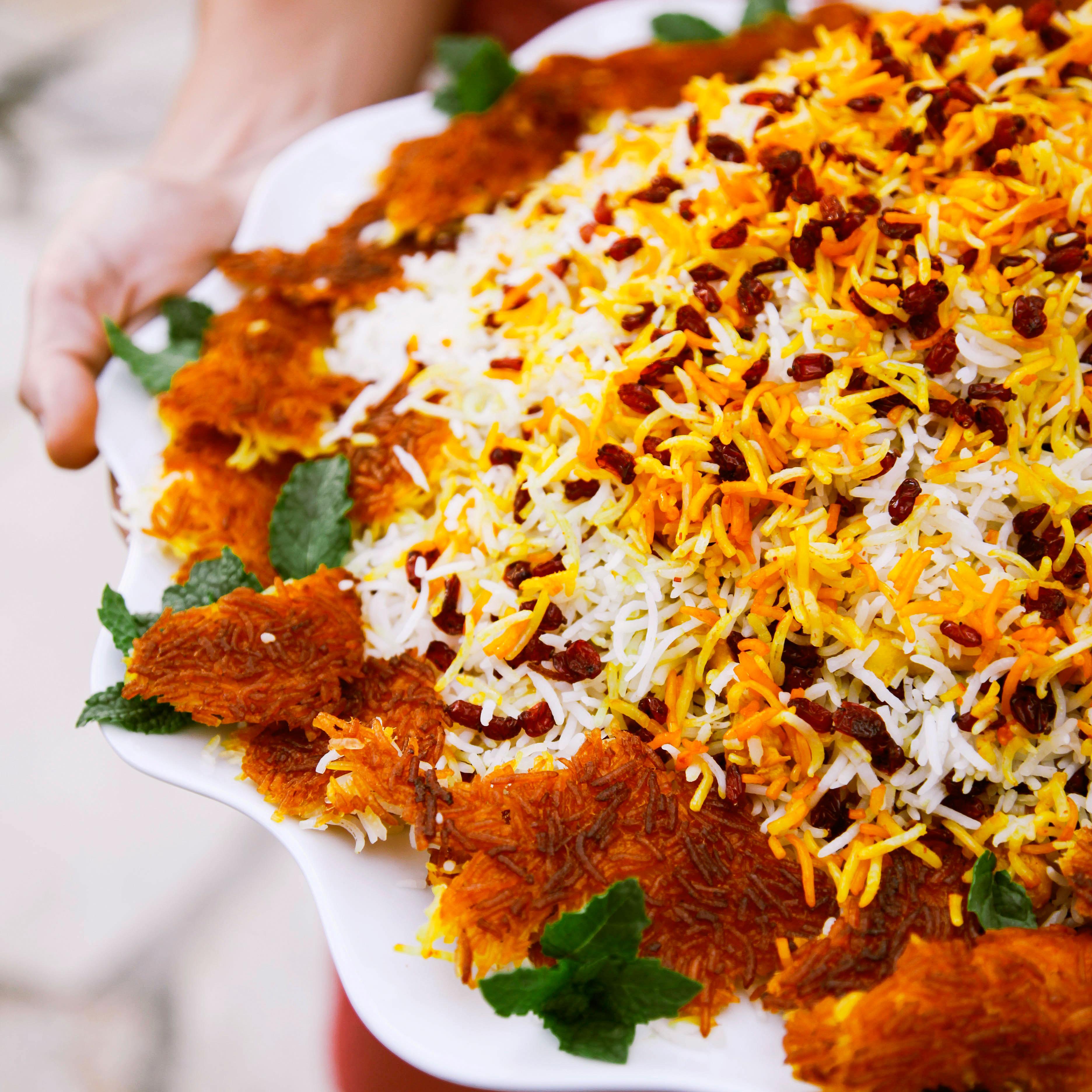
Uzbek Plov: The Saffron-Crowned Centerpiece of Central Asian Hospitality
From Samarkand to Tashkent, the cast-iron kazan and the saffron-perfumed plov define a culinary tradition that has fed Silk Road travelers for over a thousand years.
Apr 07, 2026
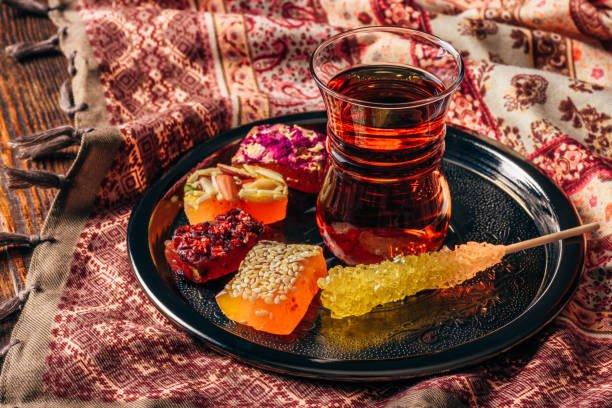
Kashmiri Kahwa: The Saffron-Almond Tea of the Himalayan Foothills
From the snow-fed valleys of Pampore, an ancient morning tea of green leaves, cardamom, almond, and the world's most prized saffron.