Apr 07, 2026 · 7 min read · By Vikram Taneja
Kashmiri Kahwa: The Saffron-Almond Tea of the Himalayan Foothills
"From the snow-fed valleys of Pampore, an ancient morning tea of green leaves, cardamom, almond, and the world's most prized saffron."
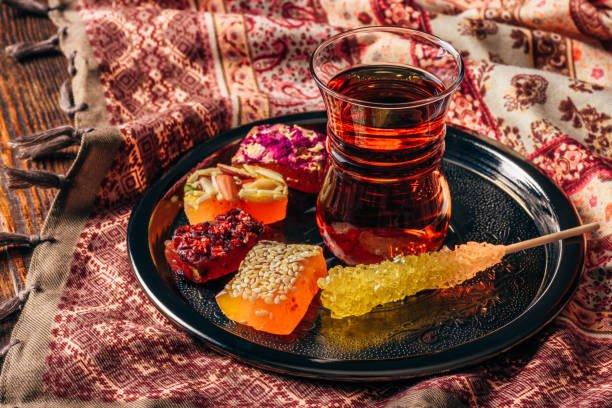
High in the Kashmir Valley, where the foothills of the Himalayas give way to gentle saffron-growing terraces, an ancient morning tea has anchored the regional culture for over a thousand years: kahwa. A delicate green tea infused with crushed cardamom, slivered almonds, cinnamon, and — at its heart — a generous pinch of locally grown saffron, kahwa is both a daily morning ritual and a ceremonial offering to honored guests. In Kashmiri homes from Srinagar to Pampore, the day begins with a samovar of kahwa, and no winter visitor leaves without being served a small handleless cup of the steaming, golden, perfumed brew.
The Samovar Tradition
Kashmiri kahwa is traditionally brewed in a samovar — a tall, ornamented copper or brass vessel with an internal heating chamber that keeps the tea warm for hours of slow sipping. The samovar arrived in Kashmir centuries ago via the Silk Road, brought by Persian and Russian traders, and has remained the central piece of Kashmiri tea hospitality ever since. The samovar's internal fire chamber, traditionally fed with hot charcoal, keeps the brewing water at a gentle steady temperature — never a rolling boil — that extracts the green tea's chlorophylls and saffron's volatile aromatics without scorching them. In modern homes, the samovar tradition has been adapted to a simple stove-top pot, but the slow, patient brewing temperature remains essential to a proper cup.
The Recipe and the Chemistry
Authentic kahwa is built from a small base of Kashmiri green tea leaves brewed at roughly 80°C (175°F) — never boiling — with smashed green cardamom pods, a small piece of true cinnamon bark, and a sliver of clove. The water turns a pale yellow-green within minutes. To the brewing tea, the cook adds a pinch of bloomed saffron threads, allowing the floral crocin to dissolve through the liquid and turn the entire pot a beautiful golden-amber. The tea is strained into small cups and finished with a sprinkle of slivered raw almonds and sometimes a thin slice of dried apple. Some Kashmiri families also add a small spoonful of honey or sugar, but traditional kahwa is consumed plain, with the natural sweetness of cardamom and the gentle bitter floral of saffron carrying the cup.
The Health Tradition: Winter Warmth and Digestion
In Kashmiri folk medicine and Ayurvedic tradition, kahwa is consumed not only for pleasure but for distinct wellness benefits. The hot tea is considered warming for the body during the harsh Kashmiri winter, when temperatures drop well below freezing. The combination of cardamom and saffron is believed to support digestion after rich meals, and the saffron's mood-supportive properties make kahwa a traditional comfort drink during the long, dark winter months. The ritual of slow sipping — three or four small cups over the course of an hour, served from the samovar in unhurried succession — is itself a meditative practice, encouraging stillness and conversation in a way that few modern beverages do.
Pampore Saffron and the Kashmir Valley
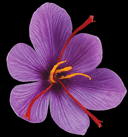
Kashmir is one of the world's four major saffron-producing regions, and the Pampore plateau (sometimes called 'the saffron town') produces small but historically prestigious quantities of Mongra-grade saffron with distinctively deep red color and thick, intact threads. For traditional Kashmiri kahwa, locally grown Mongra saffron has always been the spice of choice — though the spice has become increasingly expensive even in its home region, and many modern Kashmiri families source from other premium origins as well. Casa Zafferano's hand-trimmed A+ Super Negin saffron from Herat shares the chemical profile that makes for excellent kahwa: high crocin for the deep golden color, strong safranal for the floral aroma, and the structural integrity of all-red threads that bloom cleanly in hot water.
Bringing the Kahwa Ritual to Seattle
For modern home cooks in Seattle and across the United States, brewing kahwa at home requires no specialized equipment — a simple saucepan and a fine strainer are sufficient. The ritual itself is what makes the difference: brewing the tea slowly, plating it in small handle-less cups, and serving it in unhurried succession over a long, conversational hour with family or guests. In an age of grab-and-go coffee, the Kashmiri kahwa tradition offers a beautiful counterpoint — a slow, golden, mindful tea that turns a morning or afternoon pause into a small ceremony of warmth, hospitality, and connection across centuries of Himalayan tradition.
Published by Vikram Taneja
More from the Journal

Apr 09, 2026
Moroccan Tagine and Saffron: The Slow-Cooked Soul of North African Cuisine
Inside the conical clay vessels of Marrakech and Fez, saffron meets preserved lemon, ginger, and slow-simmered meat to define one of the world's great cuisines.
Apr 08, 2026
Uzbek Plov: The Saffron-Crowned Centerpiece of Central Asian Hospitality
From Samarkand to Tashkent, the cast-iron kazan and the saffron-perfumed plov define a culinary tradition that has fed Silk Road travelers for over a thousand years.