May 14, 2026 · 7 min read · By Shaya Arya
Steeping the Sunrise: The Art of Traditional Saffron Teas and Blends
"Learn how clean water steeps and natural botanicals like rosewater, mint, and cardamom pair chemically with premium saffron."
Water is the ultimate solvent for saffron. Unlike milk or cooking oils, which contain heavy proteins and fats that can crowd the palate, clean hot water offers an unobstructed canvas. It allows saffron's highly active carotenoids to express themselves in their purest form, free from structural interference. Across the Middle East, Central Asia, and North Africa, the preparation of saffron tea is a cherished form of hospitality, a warming elixir designed to soothe digestion, lift the spirits, and quiet the mind after a long day.
The Alchemy of Botanical Pairings
While a simple steep of saffron threads in hot water is exceptionally comforting, combining it with complementary botanicals can unlock fascinating culinary dimensions. Green cardamom pods, crushed gently to expose their seeds, introduce a bright, eucalyptus note that matches saffron's sweet, honeyed aromas. A splash of organic rosewater brings a floral, delicate touch that mirrors the high-altitude fields where the saffron crocus blooms, adding an ancient elegance to the cup.
If you are seeking a digestif, blending saffron with fresh ginger and a sprig of mint creates an active herbal tea that stimulates the stomach while delivering a rich dose of antioxidants. Saffron's crocin compounds act as natural anti-inflammatories, making these warm infusions highly effective for soothing cold symptoms, reducing physical tension, or calming a restless stomach before bed. Sweetened with a touch of honey or rock candy, these herbal infusions become a daily ritual of self-care.
The Persian Tea Ceremony
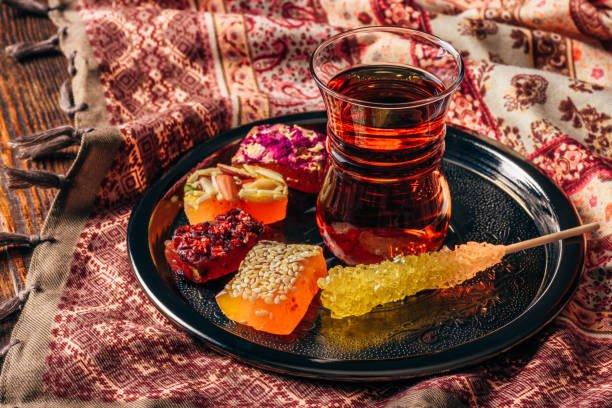
In a traditional Persian household, tea is not simply poured; it is presented. The host brews high-quality loose-leaf black tea in a porcelain teapot rested over a steaming kettle. A pinch of ground saffron is added directly to the dry tea leaves before steeping. The resulting liquor is a deep copper-red, possessing a fragrant steam that fills the room. It is poured into small, delicate glass cups (known as *estakan*) and served alongside rock candy infused with saffron (*nabat*), allowing guests to slowly sweeten their cup as they talk late into the evening. This ritual represents a profound gesture of welcome, a sensory sharing of warmth that defines the hearth.
Therapeutic Adaptogens: Saffron and Heat Dynamics
To preserve the therapeutic compounds of saffron during hot tea brewing, temperature control is essential. Boiling water (100°C) is too aggressive and can denature the delicate safranal and picrocrocin molecules, leaving the tea with a sharp, slightly medicinal taste. The optimal brewing temperature sits between 80°C and 85°C (176°F to 185°F). At this heat level, the water-soluble crocin dissolves gently, creating a bright, glowing yellow tea, while the volatile essential oils are released slowly into the steam without boiling off. Covering the cup or teapot during the steep is a critical safeguard, trapping the rising aromatic esters so they condense back into the liquid, ensuring a deeply fragrant, restorative experience.
Published by Shaya Arya
More from the Journal
Apr 09, 2026
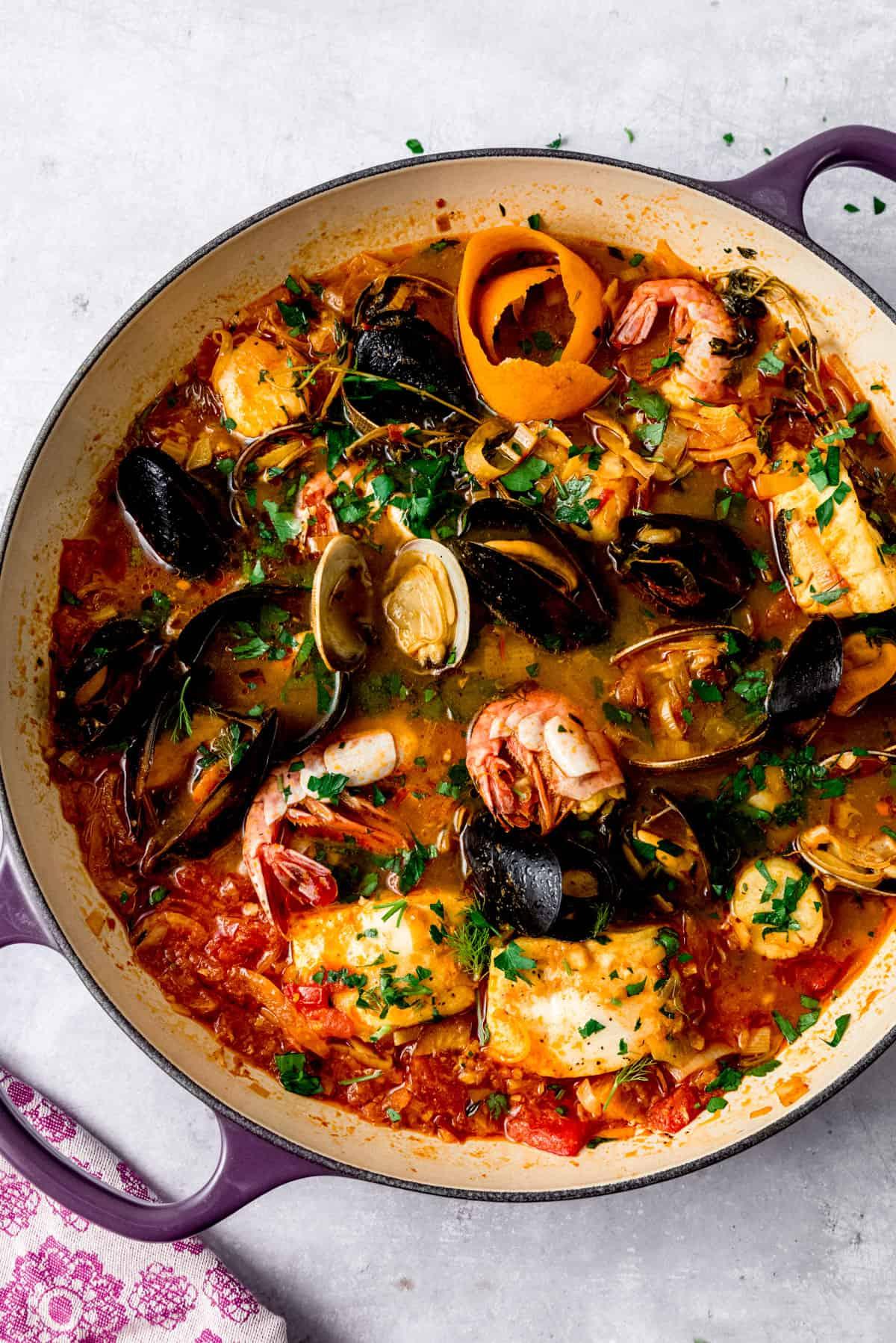
Moroccan Tagine and Saffron: The Slow-Cooked Soul of North African Cuisine
Inside the conical clay vessels of Marrakech and Fez, saffron meets preserved lemon, ginger, and slow-simmered meat to define one of the world's great cuisines.
Apr 08, 2026
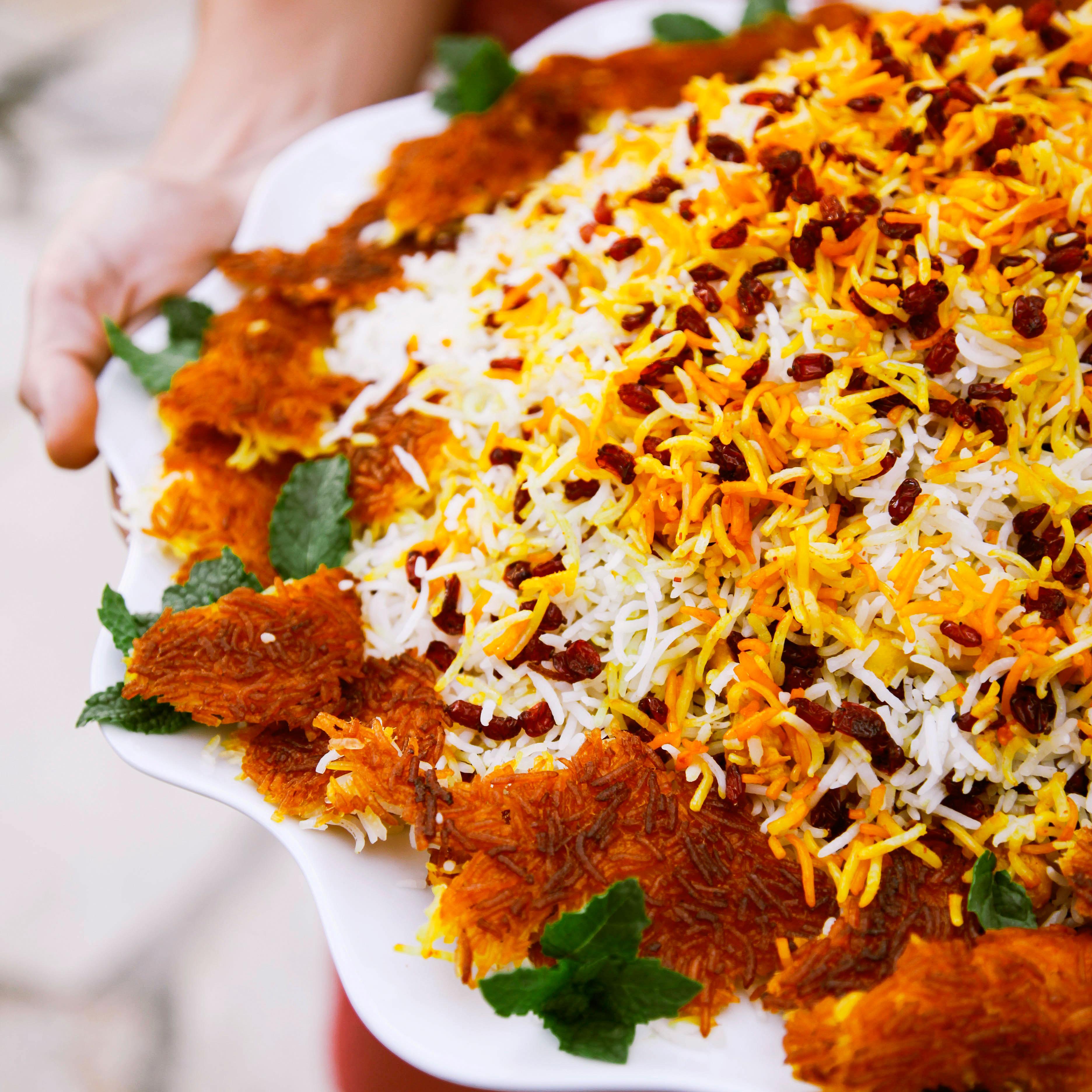
Uzbek Plov: The Saffron-Crowned Centerpiece of Central Asian Hospitality
From Samarkand to Tashkent, the cast-iron kazan and the saffron-perfumed plov define a culinary tradition that has fed Silk Road travelers for over a thousand years.