
Apr 21, 2026 · 8 min read · By Shaya Arya
Sustainable Saffron: The Low-Impact Agriculture That Defines Herat Province
"Saffron is naturally one of the world's most sustainable crops — drought-tolerant, low-input, and built around family labor. Explore the Herat farming model."
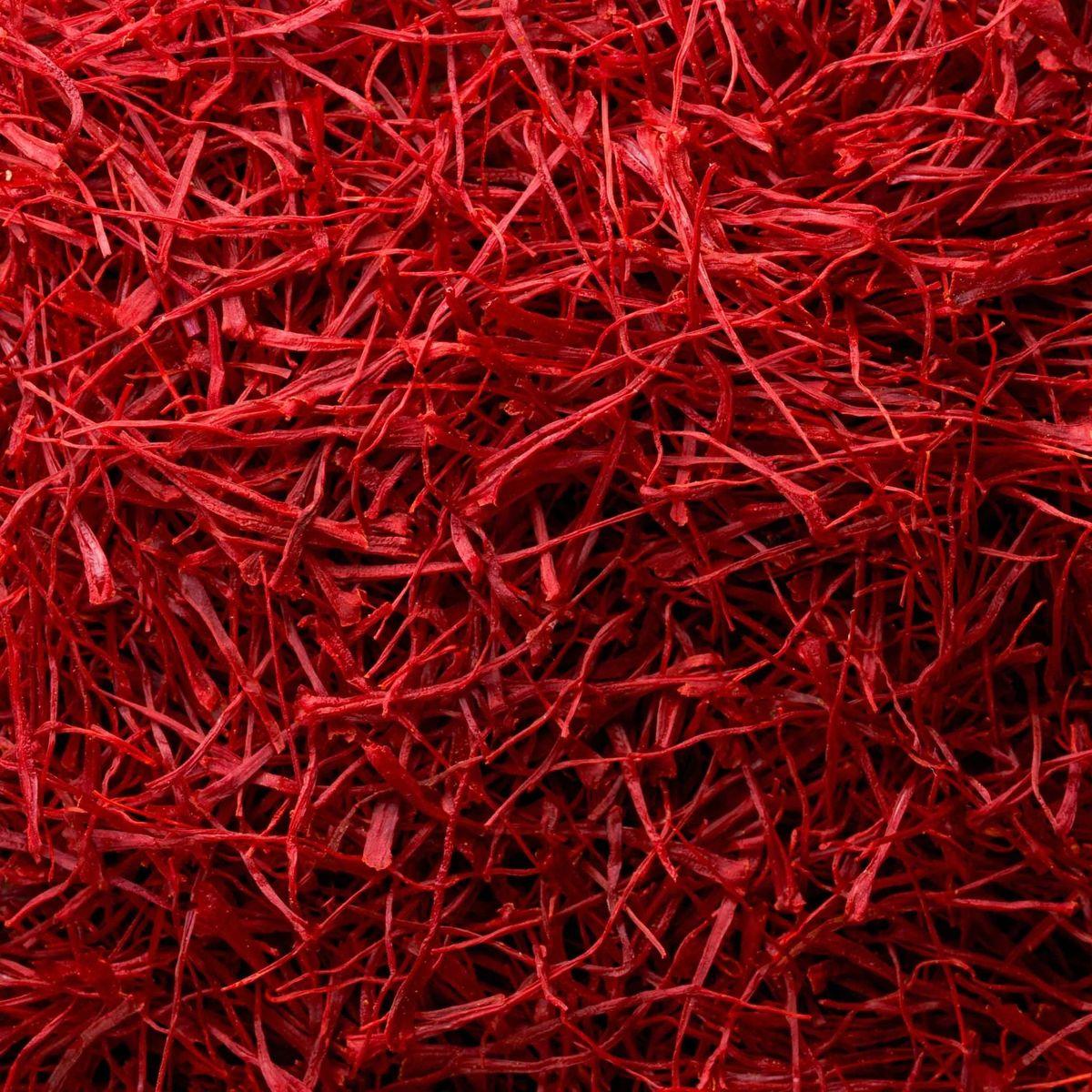
In an era of accelerating climate disruption and increasing concern over agricultural water use, saffron has emerged as one of the most surprising stories in sustainable food production. The Crocus sativus plant is exceptionally well-suited to arid and semi-arid climates, demanding very little water, minimal fertilizer, and almost no mechanical input. In Herat province in western Afghanistan — the region from which Casa Zafferano sources all of our saffron — the crop is grown almost entirely by smallholder family farms, using traditional techniques that have changed little in centuries. The result is a model of low-impact agriculture that produces one of the world's most valuable crops while preserving the soil, the watershed, and the social fabric of the communities that grow it.
Water Conservation: The Drought-Tolerant Crocus
Compared to most cash crops, saffron is remarkably water-efficient. The Crocus sativus bulb has evolved over millennia in the arid steppes of Central Asia, developing a deep root system that taps subsurface moisture and goes fully dormant during the hot, dry summer months. In Herat, saffron fields require only modest supplemental irrigation in the autumn growing season — typically a single irrigation cycle in mid-October to support flowering, followed by a winter dormancy period during which seasonal rainfall provides all the moisture the plants need. This stands in sharp contrast to traditional staple crops like wheat or cotton, which require substantially more water per hectare. As climate stress increases pressure on regional water resources, saffron is emerging as one of the most viable cash crops for arid-zone smallholder farmers across Central and South Asia.
Minimal Chemical Input
Traditional saffron cultivation in Herat uses very little in the way of synthetic fertilizers or pesticides. The Crocus sativus bulb is naturally pest-resistant — its tissues contain compounds that deter most common insect and fungal pathogens — and the plant thrives in nutrient-poor, well-drained soils that would not support more demanding crops. Most Herat farmers fertilize their saffron fields using composted livestock manure from family-owned sheep and cattle, applied modestly once per year. The crop's natural resilience means that pesticide use is essentially negligible, and the dried threads that emerge from the harvest are among the cleanest agricultural products in the global spice trade. Independent laboratory testing for pesticide residues in properly sourced Herat saffron typically returns results well below international detection thresholds.
Soil Health and Long-Term Land Use
Saffron fields in Herat are typically managed on a six-to-seven-year rotation. The bulbs are planted in autumn, produce flowers for three to five productive years, and are then lifted, sorted, and replanted in fresh soil to allow the original field to rest and recover. This rotation system maintains soil fertility, prevents the buildup of soil-borne pathogens, and allows farmers to expand their cultivation area gradually without the soil exhaustion that follows continuous monoculture. The shallow root system of the crocus also leaves deeper soil layers undisturbed, preserving soil structure and microbial communities that would be destroyed by deep-tilled annual crops.
Family Labor and Rural Economies
Perhaps the most important sustainability dimension of saffron is the social one. Saffron cultivation is built around dawn harvesting, hand-trimming, and slow drying — all labor-intensive steps that cannot be efficiently mechanized. This means that saffron supports a high density of rural employment, particularly for women, who traditionally lead the trimming and sorting work in Herat. A single hectare of saffron can support several family livelihoods through the harvest season, providing meaningful income to communities that have few alternative agricultural cash-crop options. Casa Zafferano sources directly from family-led cooperatives in Herat, ensuring that the premium prices paid for A+ Super Negin saffron flow back to the women and men whose hands actually produce it, rather than being absorbed by layers of regional middlemen.
Why Sourcing Transparency Matters
Sustainability claims in the global spice trade are notoriously vague, and 'organic' or 'fair trade' labels on saffron should be treated with the same skepticism as on any other premium agricultural product. The single most reliable indicator of sustainable, ethical saffron is sourcing transparency: knowing exactly which province the crop comes from, which cooperative or family farm produced it, and what the chain of custody between the field and the consumer looks like. At Casa Zafferano, our supply chain runs from a small number of verified Herat cooperatives directly to our Seattle packing facility, with no intermediate brokers and no commingling with saffron from other origins. This transparency is what allows us to make sustainability claims with confidence — and what allows our customers to feel good about the saffron they bring into their kitchens.
Published by Shaya Arya
More from the Journal

Apr 09, 2026
Moroccan Tagine and Saffron: The Slow-Cooked Soul of North African Cuisine
Inside the conical clay vessels of Marrakech and Fez, saffron meets preserved lemon, ginger, and slow-simmered meat to define one of the world's great cuisines.
Apr 08, 2026
Uzbek Plov: The Saffron-Crowned Centerpiece of Central Asian Hospitality
From Samarkand to Tashkent, the cast-iron kazan and the saffron-perfumed plov define a culinary tradition that has fed Silk Road travelers for over a thousand years.