
May 10, 2026 · 8 min read · By Shaya Arya
Sunsets of Southern Europe: Sicilian Arancini and the Legacy of the Moors
"Trace the historical migration of saffron across the Mediterranean to the street food markets of medieval Palermo."
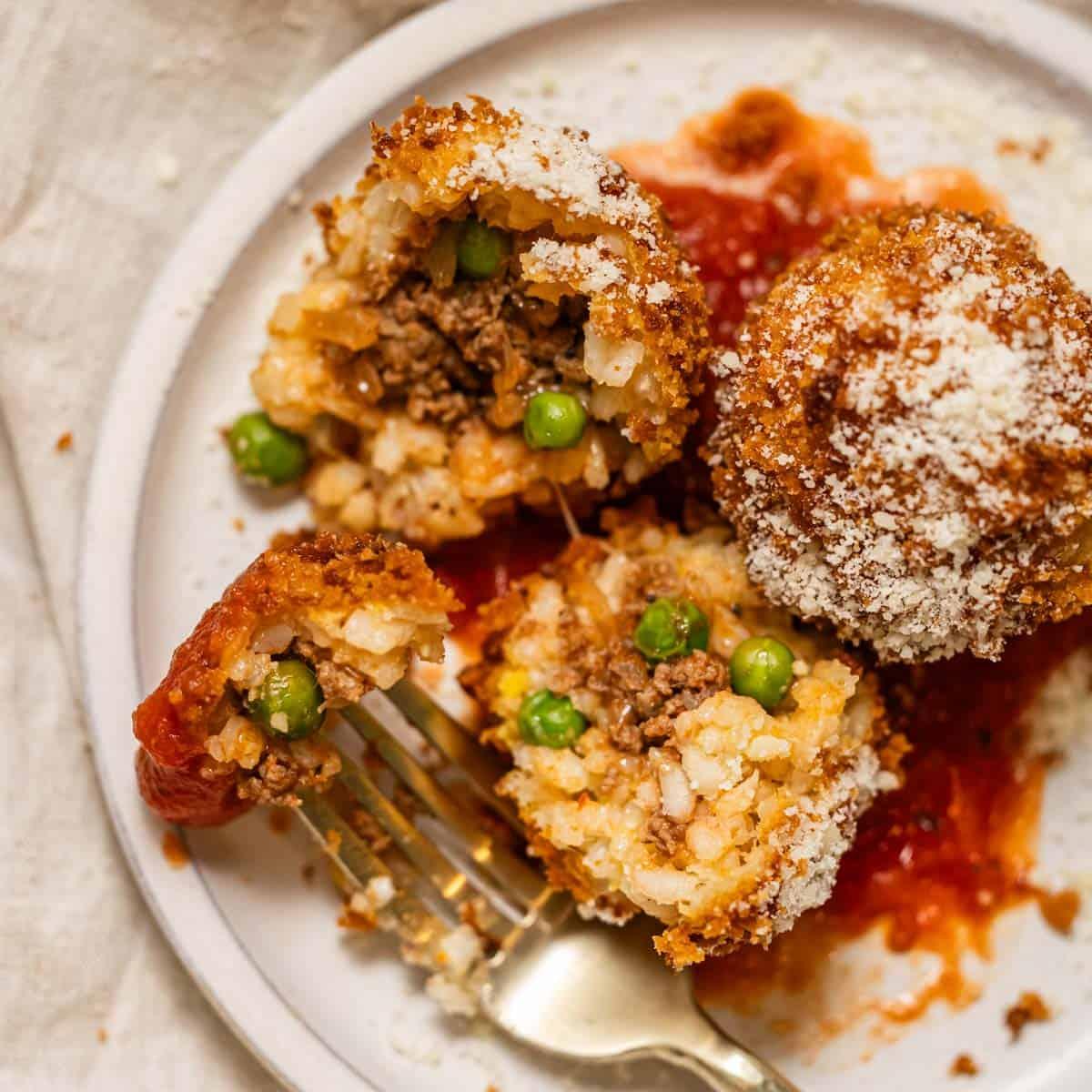
Walk through the bustling street markets of Palermo, Sicily, and you will inevitably encounter towering pyramids of arancini—golden, crispy rice balls stuffed with rich ragù and melted cheese. Named after the Italian word for little oranges (*arancia*) due to their shape and bright, golden color, arancini are a staple of Sicilian comfort food. Yet, their existence is a historical testament to the complex cultural exchange that swept across the Mediterranean during the Middle Ages, shaping modern Italian cuisine through ancient trade routes.
The Islamic Agricultural Revolution in Sicily
In the tenth century, North African Arab traders—commonly referred to as the Moors—established control over Sicily. They brought with them advanced agricultural techniques, particularly sophisticated irrigation systems, and introduced crops that would redefine Sicilian cuisine forever: citrus fruits, almonds, pistachios, sugarcane, eggplants, hard durum wheat, rice, and saffron. The introduction of rice and saffron laid the foundation for Sicily's most famous culinary traditions.
The traditional method of eating rice at the Moorish court involved boiling the grain, perfuming it with saffron to turn it a beautiful golden yellow, and serving it on large communal platters topped with spiced meats. Over time, Sicilian cooks adapted this royal preparation into a portable street food. They took the cool, saffron-scented rice, wrapped it around a center of rich meat sauce, coated it in breadcrumbs made from hard Sicilian wheat, and fried it in hot olive oil. The crispy exterior preserved the moist, fragrant rice inside, creating a portable meal for workers in the fields. This fusion of Arab spice and Norman meat-cooking created a true Mediterranean classic.
The Glow of Palermo
To cook authentic Sicilian arancini, the rice must be parboiled in a light broth infused with a generous pinch of saffron threads. As the rice absorbs the liquid, the grains swell and take on a deep, sunset-orange glow. This saffron-scented rice is then cooled on a wide marble slab, allowing the starches to firm up before being shaped around a core of slow-cooked ragù. Deep-fried to a perfect crisp, breaking open a warm arancino releases a cloud of aromatic, saffron-perfumed steam that connects modern Italy directly to its medieval Moorish past, offering a rich, savory mouthful of history.
The Starch Retrogradation for Structural Integrity
Achieving the perfect, spherical shape of an arancino without it falling apart in the hot frying oil requires managing starch retrogradation. Once the saffron rice is parboiled, it is spread thin on wide, cool marble slabs. As the rice cools, the gelatinized starch molecules begin to realign and crystallize, forming a firm, cohesive matrix. This cooling phase is critical; it locks the deep-orange saffron pigments into the grain and ensures the rice remains sticky enough to mold around the ragù center. Without this marble-cooling step, the hot rice grains would remain loose and wet, collapsing under the pressure of the breadcrumbs and absorbing too much cooking fat during the deep fry.
Published by Shaya Arya
More from the Journal
Apr 09, 2026
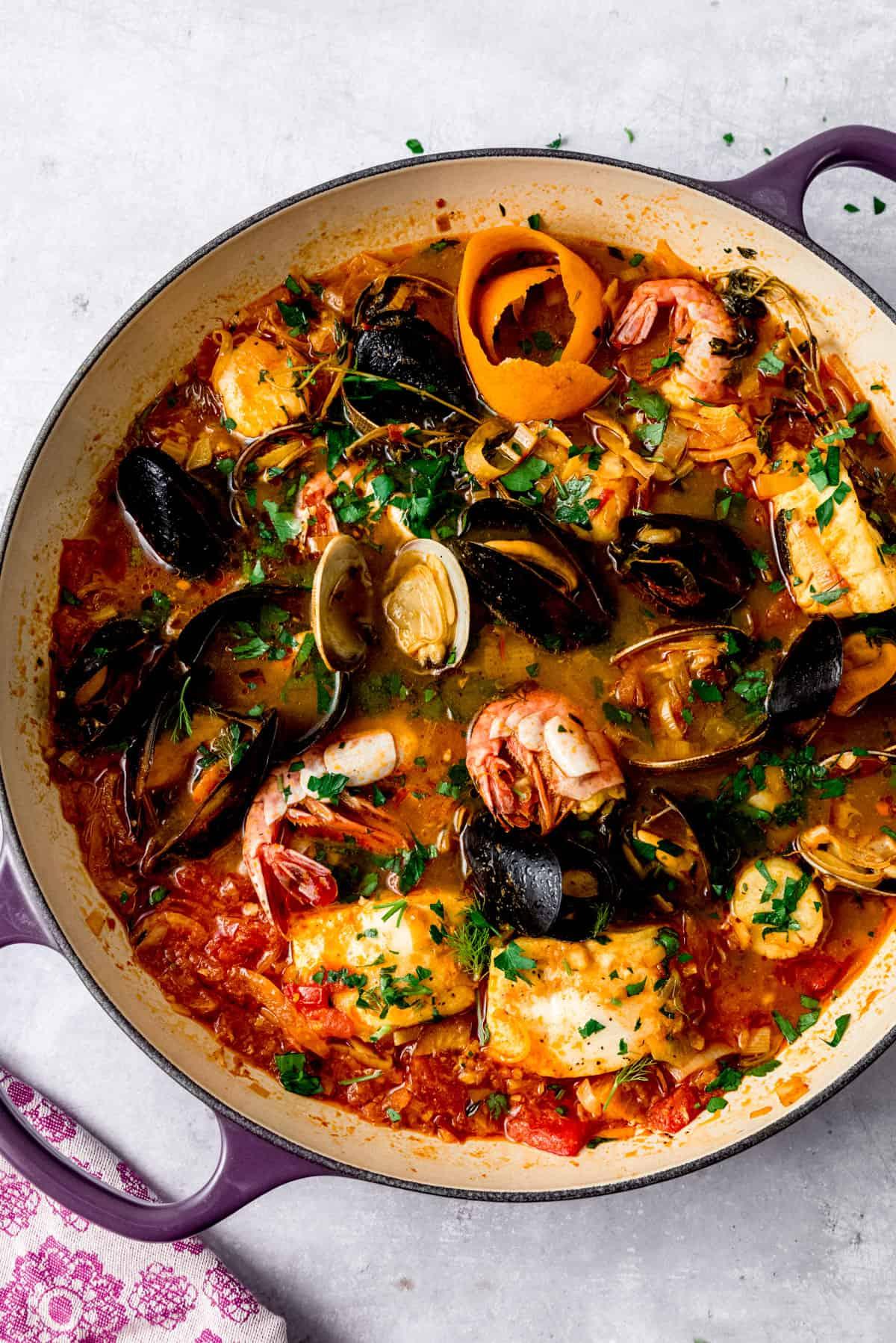
Moroccan Tagine and Saffron: The Slow-Cooked Soul of North African Cuisine
Inside the conical clay vessels of Marrakech and Fez, saffron meets preserved lemon, ginger, and slow-simmered meat to define one of the world's great cuisines.
Apr 08, 2026
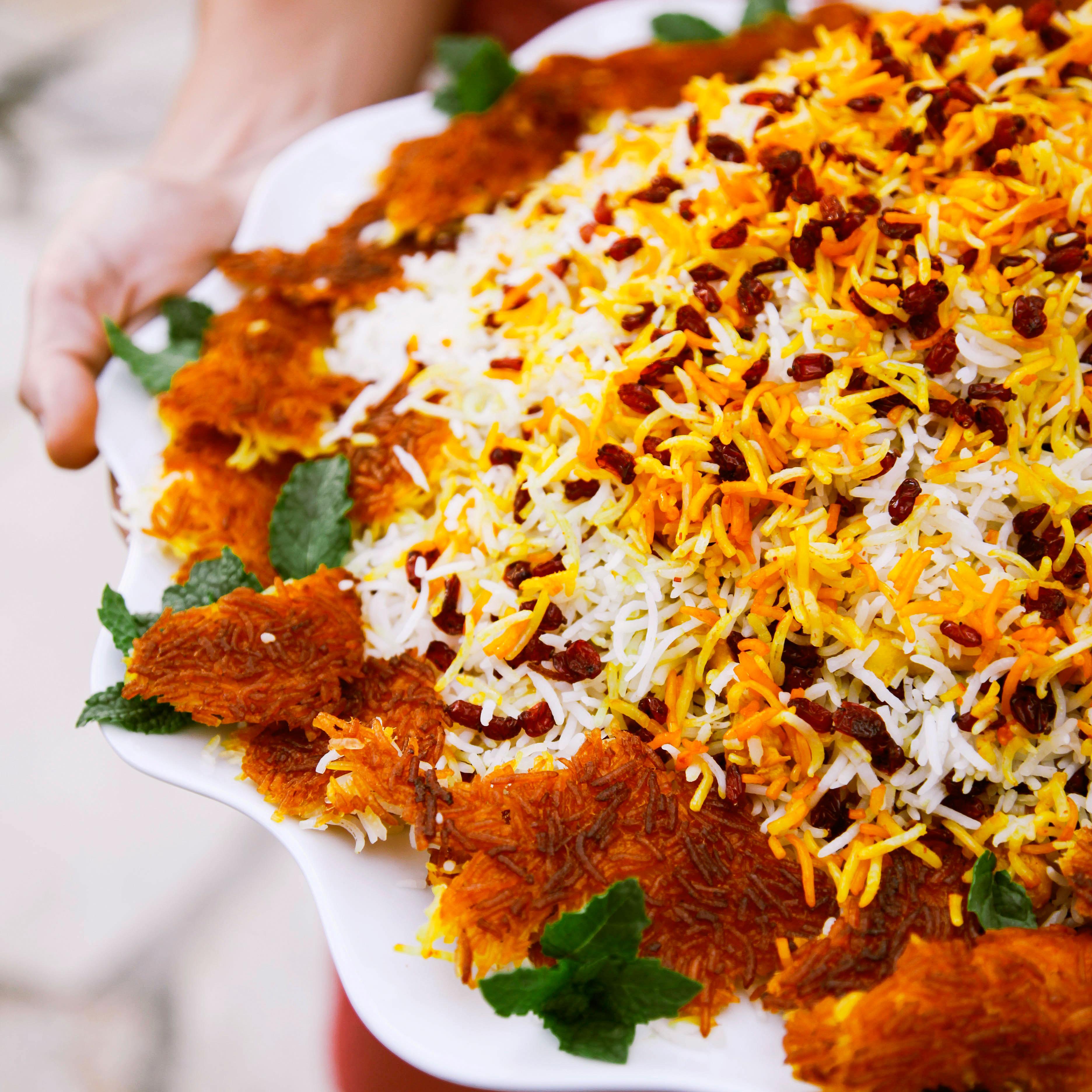
Uzbek Plov: The Saffron-Crowned Centerpiece of Central Asian Hospitality
From Samarkand to Tashkent, the cast-iron kazan and the saffron-perfumed plov define a culinary tradition that has fed Silk Road travelers for over a thousand years.