
May 07, 2026 · 8 min read · By Shaya Arya
The Art of Preservation: How to Keep Your Saffron Fresh and Potent
"Explore the culinary science behind saffron storage, and how airtight glass jars protect active crocin and safranal from moisture and oxidation."
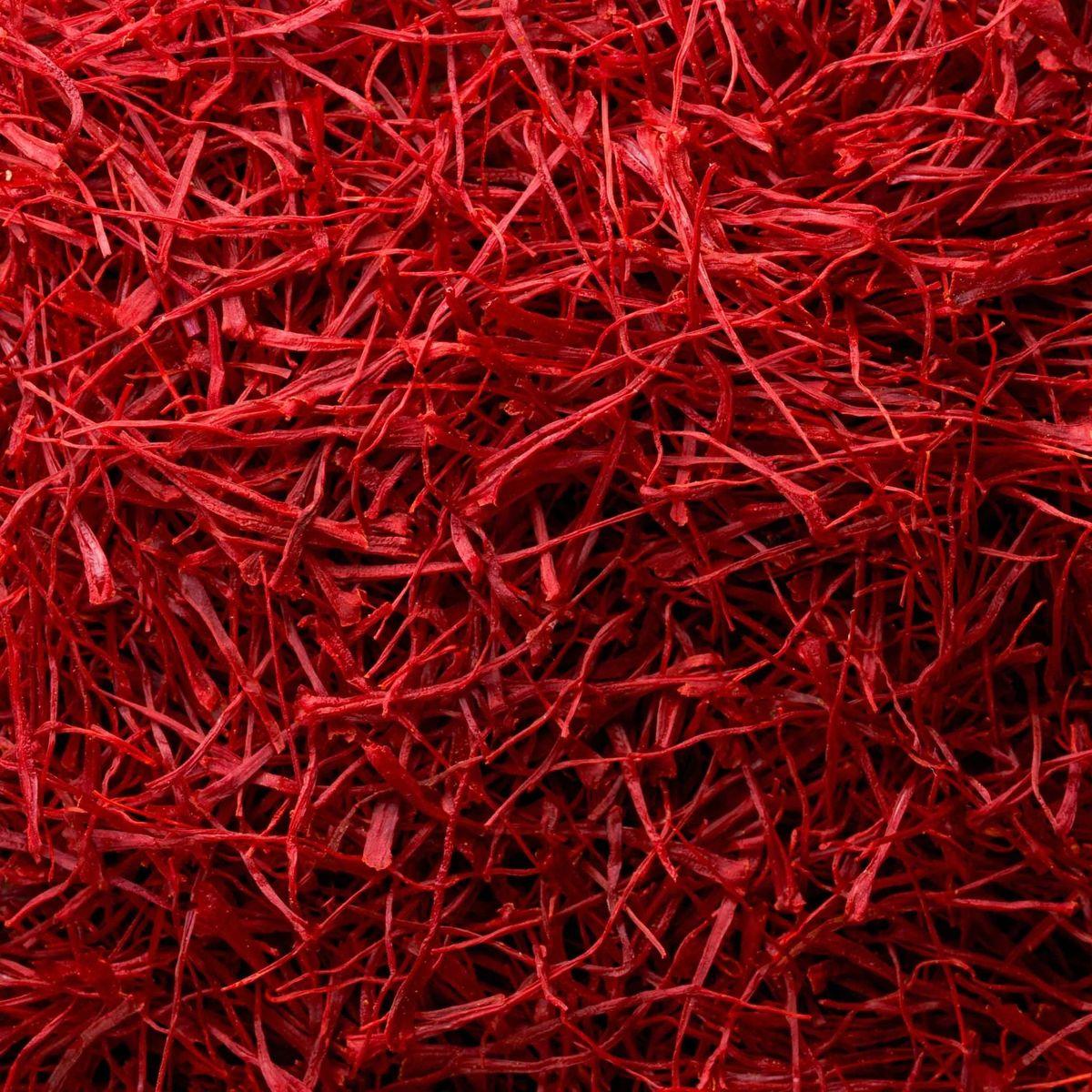
Saffron is an incredibly delicate spice. Once the crimson stigmas of the Crocus sativus flower are harvested, dried, and trimmed, they hold a high concentration of active organic compounds: crocin for color, safranal for aroma, and picrocrocin for taste. However, these active molecules are highly sensitive to their environment. Moisture, oxygen, heat, and light are constant threats, capable of breaking down these complex compounds and turning a premium spice into a dull, scentless shadow of its former self. To prevent this degradation, we must look at the science of proper botanical preservation.
The Threat of Humidity and Moisture
Unlike many dried herbs that are highly stable, saffron is hygroscopic, meaning it actively absorbs moisture from the air around it. When dried saffron threads are exposed to high humidity, they absorb water vapor, which triggers a slow enzymatic breakdown. The threads lose their signature brittle, crisp texture, becoming soft and limp. This dampness causes picrocrocin and safranal to degrade, leading to a flat, muddy flavor and a papery aroma. Standard paper baggies, cardboard boxes, or loose plastic containers are highly permeable to water vapor, letting in moisture even in a dry pantry.
Oxygen and the Danger of Oxidation
Equally vital is isolating the delicate saffron stigmas from atmospheric oxygen. Oxygen exposure initiates auto-oxidation of saffron's carotenoid structure, causing the conjugated double bonds in crocin to break down and degrade its coloring capability. Simultaneously, safranal will oxidize into simpler, less-fragrant aldehydes, stripping the spice of its nuanced aroma. Flimsy tins or jars with cheap plastic lids fail to form a reliable barrier, allowing continuous air exchange that slowly degrades the spice over a few months.
The Protective Shield of Airtight Glass
To guard against these threats, we cellar and ship our saffron exclusively in heavy, high-quality glass jars fitted with precision-threaded, airtight aluminum lids. Glass is chemically inert, meaning it won't react with the volatile oils in the saffron threads. Combined with a secure aluminum top, this container forms a complete hermetic barrier against both humidity and oxygen. By locking out external moisture and keeping the air pocket inside static, this simple yet effective vault maintains a stable, dry environment, ensuring that the threads remain perfectly crisp, potent, and aromatic until the moment they reach your kitchen.
Published by Shaya Arya
More from the Journal
Apr 09, 2026
Moroccan Tagine and Saffron: The Slow-Cooked Soul of North African Cuisine
Inside the conical clay vessels of Marrakech and Fez, saffron meets preserved lemon, ginger, and slow-simmered meat to define one of the world's great cuisines.

Apr 08, 2026
Uzbek Plov: The Saffron-Crowned Centerpiece of Central Asian Hospitality
From Samarkand to Tashkent, the cast-iron kazan and the saffron-perfumed plov define a culinary tradition that has fed Silk Road travelers for over a thousand years.