
May 20, 2026 · 8 min read · By Vikram Taneja
The Science of Saffron: Modern Research on Ancient Wellness Gold
"Explore the peer-reviewed science behind saffron's active compounds and how this legendary spice supports mood, sleep, and overall wellness through a modern lens."
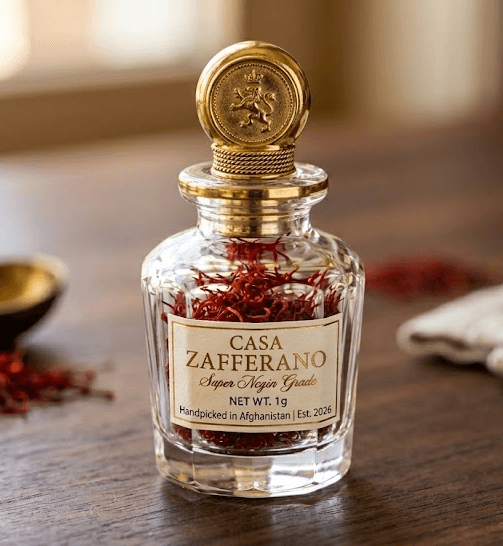
Saffron has been cherished for over three millennia, not only as a culinary treasure but as a powerful botanical remedy in Persian, Mediterranean, and Ayurvedic wellness traditions. Today, modern clinical research is catching up to ancient wisdom, unpacking the molecular science behind why this vibrant crimson thread is truly considered 'red gold' for human health. As clinical research continues to mature, we are discovering that the positive physiological changes associated with this delicate flower are driven by highly concentrated, active bioactives that interact directly with our neurological, visual, and cellular pathways.
The Bioactive Compounds: Saffron's Chemistry
To understand why saffron behaves as a therapeutic botanical, one must look at the trio of bioactive compounds concentrated within its crimson stigmas. The first is crocin, a rare, water-soluble carotenoid that grants saffron its characteristic golden glow. In the body, crocin acts as a formidable antioxidant, capable of crossing the blood-brain barrier to support neurological health. By neutralizing free radicals in the central nervous system, crocin helps protect delicate brain cells from oxidative stress and promotes long-term cognitive vitality.
Alongside crocin is safranal, the volatile essential oil responsible for that unmistakable aroma of warm honey and sweet hay. Safranal interacts gently with the nervous system, encouraging a sense of calm and helping regulate natural sleep cycles. Finally, picrocrocin lends the spice its delicate, bitter undertones; during the slow drying process, it matures and converts into additional safranal, deepening both flavor and potency. When we subject our A+ Super Negin saffron to independent laboratory analysis, we measure these three exact markers to guarantee Category I ISO 3632 standards, ensuring that you receive therapeutic potency in every single thread.
A Natural Mood Supporter and Stress Buffer
For centuries, families have brewed saffron tea to lift the spirits on quiet evenings. Modern clinical studies have begun to demystify this emotional lift, focusing on saffron's role as a natural, gentle stabilizer for mood. Dozens of double-blind, placebo-controlled trials published in prominent medical journals have evaluated saffron extract in comparison to standard mood-support protocols. The findings suggest that a regular daily intake of roughly 28 to 30 milligrams of high-grade saffron—equivalent to a standard culinary pinch—helps balance mood pathways in the brain.
Saffron's active bioactives appear to act as a gentle, organic monoamine reuptake inhibitor. This means they help keep crucial neurotransmitters like serotonin, dopamine, and norepinephrine active in the brain's synapses for longer periods. By encouraging a balanced, sustained presence of these essential chemical messengers, saffron helps buffer the mind against daily stress and anxiety, promoting a calm, grounded emotional state without the sudden shifts or adverse side effects often associated with synthetic alternatives.
Supporting Restorative Sleep Cycles
Struggling with sleep quality is a common modern ailment, and saffron has emerged as a promising natural sleep aid. Double-blind studies published in integrative medicine journals reveal that saffron extract helps increase melatonin levels and supports sleep efficiency. Melatonin is the natural hormone that regulates our internal sleep-wake cycles, and by encouraging its steady production, saffron helps prime the body for deep rest.
By helping to soothe the nervous system before bedtime, a warm cup of saffron-infused tea or golden milk can reduce the time it takes to fall asleep and promote deeper, more restorative rest cycles. Instead of forcing the body into sedation, saffron works in harmony with your circadian rhythm, paving the way for a peaceful transition to sleep and allowing you to wake up feeling refreshed and mentally alert rather than groggy.
Protecting Vision and Cellular Health
Because the active pigments in saffron are powerful carotenoids, they accumulate selectively in the retina of the eye. Landmark clinical trials at Italian and Australian universities have shown that daily saffron consumption helps support retinal health, increases macular microcirculation, and helps protect ocular cells from light-induced oxidative stress. For individuals experiencing age-related changes in vision, saffron represents a valuable, natural defense, stabilizing visual acuity and shielding delicate photoreceptors from degeneration.
Additionally, saffron's robust antioxidant profile serves as a whole-body cellular shield, neutralizing free radicals that contribute to premature aging and tissue wear. By protecting cell walls from lipid peroxidation, saffron supports overall cardiovascular health, assists in blood sugar regulation, and promotes long-term cellular health. At Casa Zafferano, we ensure that every tin of our A+ Super Negin saffron meets Category I ISO 3632 standards. This ensures that you receive a high density of these scientifically validated bioactives in every thread, whether you're steeping it for wellness tea or blending it into a celebratory meal.
Published by Vikram Taneja
More from the Journal

Apr 09, 2026
Moroccan Tagine and Saffron: The Slow-Cooked Soul of North African Cuisine
Inside the conical clay vessels of Marrakech and Fez, saffron meets preserved lemon, ginger, and slow-simmered meat to define one of the world's great cuisines.

Apr 08, 2026
Uzbek Plov: The Saffron-Crowned Centerpiece of Central Asian Hospitality
From Samarkand to Tashkent, the cast-iron kazan and the saffron-perfumed plov define a culinary tradition that has fed Silk Road travelers for over a thousand years.