
Apr 16, 2026 · 8 min read · By Shaya Arya
Saffron Without Borders: A Complete Guide to Vegetarian and Vegan Saffron Cooking
"Saffron's most legendary dishes do not require meat. Explore a deep repertoire of vegetarian and vegan saffron cooking from Iran, India, Italy, and Spain."
One of the great misconceptions about saffron is that it belongs primarily to meat-driven cuisines — to the lamb stews of Iran, the rabbit paellas of Spain, the goat biryanis of India. In reality, saffron's most celebrated dishes span a remarkably broad spectrum of vegetarian and vegan preparations, many of which predate the meat-heavy versions by centuries. From Persian saffron rice with herbs and dried fruit to Italian risotto alla Milanese (which is naturally vegetarian when prepared without bone marrow), from Indian saffron-soaked sweets to Spanish saffron-vegetable paella, the world of meatless saffron cooking is vast, deeply traditional, and extraordinarily satisfying.
Persian Saffron Rice: The Vegan Foundation
The crown jewel of Persian cooking — chelow, the steamed long-grain basmati with saffron-glazed surface — is almost always completely vegan. The technique requires only basmati rice, water, salt, a small amount of neutral oil for the tahdig, and a generous infusion of bloomed A+ Super Negin saffron. The result is a magnificent platter of fluffy, perfumed grains with a crisp golden bottom crust that requires no animal product whatsoever. From this base, Persian cooks build an entire repertoire of vegan rice dishes: zereshk polo with barberries, baghali polo with dill and fava beans, adas polo with lentils and dates, reshteh polo with noodles and raisins. Each is fully plant-based, profoundly flavorful, and capable of anchoring a dinner party on its own merits.
The Saffron Vegetable Paella
While the official Valencian paella tradition centers on rabbit and chicken, the technique adapts beautifully to a fully vegetable preparation. The cook builds a sofrito of olive oil, onion, ripe tomato, garlic, and smoked paprika, then adds seasonal vegetables: artichoke hearts, broad beans, flat green beans, fire-roasted red pepper, and small white lima beans. A rich vegetable broth — ideally made from roasted vegetable scraps and dried mushroom — is added along with bloomed saffron, and Bomba rice is laid in for the slow, undisturbed simmer that produces the prized socarrat crust. The result is a paella every bit as visually dramatic and aromatically complex as its meat-based ancestor, and entirely free of animal products.
Risotto Alla Milanese: Vegetarian by Tradition
Risotto alla Milanese can be prepared in a fully vegetarian form by substituting vegetable broth for beef broth and omitting the traditional beef bone marrow from the soffritto. The result loses some of the savory depth of the classical version but gains a cleaner, more focused saffron expression — the floral and honeyed notes of bloomed Super Negin come through with remarkable clarity when the dish is built on a vegetable foundation. For a fully vegan version, the cook substitutes a high-quality olive oil for the butter in the mantecatura and uses nutritional yeast or a vegan Parmesan alternative for the cheese — adjustments that produce a creamy, golden risotto with the unmistakable saffron signature.
Vegan Saffron Desserts: Plant Milk and Coconut Cream
Traditional saffron desserts often depend heavily on dairy — but the same chemical principles that make dairy a good carrier for fat-soluble safranal also apply to plant-based fats. Coconut cream is an especially effective vehicle: its high fat content binds saffron's aromatic compounds beautifully, and its natural sweetness complements saffron's honeyed notes. A vegan saffron panna cotta made with full-fat coconut cream, agar-agar (substituting for gelatin), and a generous infusion of bloomed Super Negin saffron produces a stunning golden dessert with a clean, silky texture. Similarly, traditional Persian sholeh zard is naturally vegan — built only on rice, water, sugar, rose water, cardamom, and saffron — making it one of the most accessible plant-based saffron desserts in the world.
Indian Vegetarian Saffron Cooking
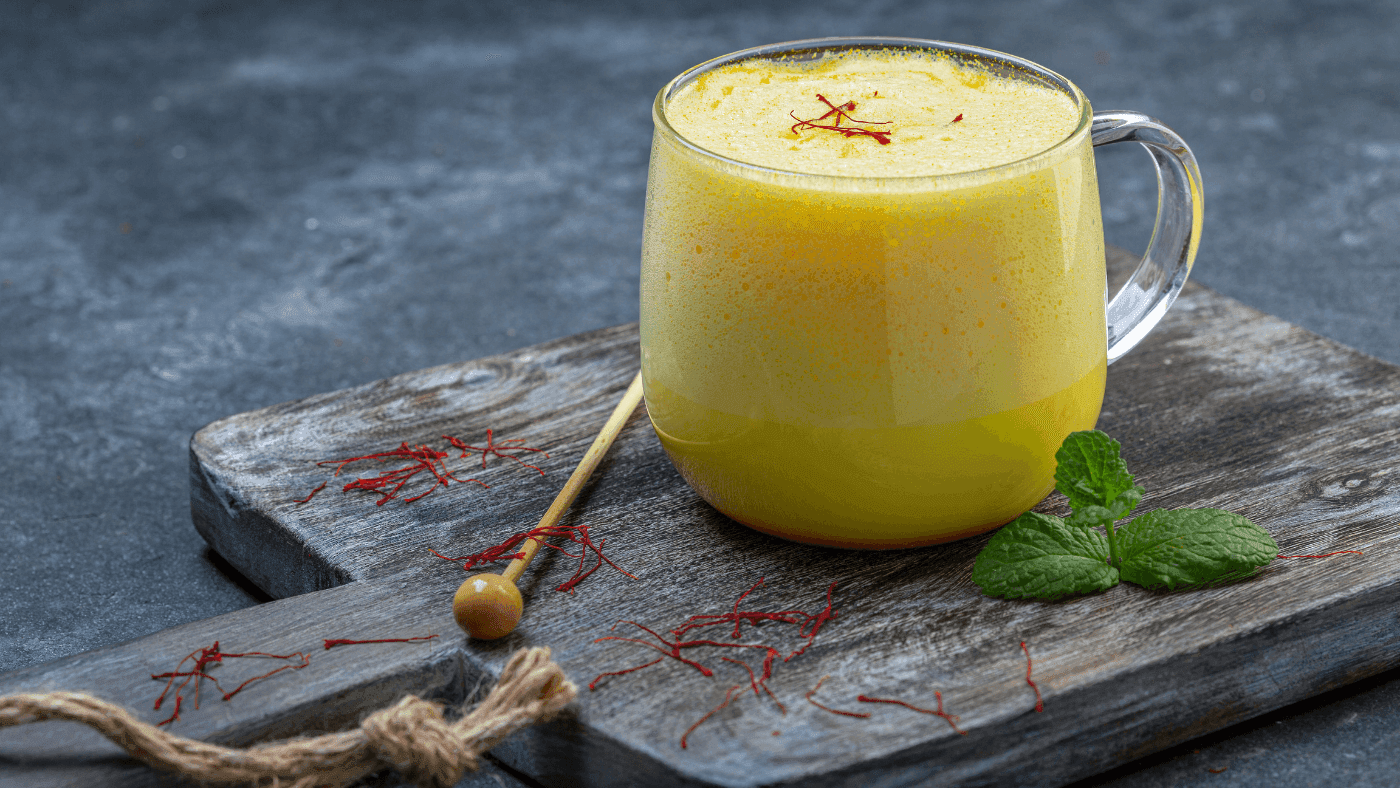
Indian vegetarian cuisine offers perhaps the richest single source of meatless saffron dishes anywhere in the world. Kashmiri kahwa — a hot saffron-almond-cardamom tea — is a classic morning beverage that has been part of Kashmiri culture for centuries. Saffron-kheer (rice pudding) and saffron-laden kesar peda (milk-based fudges) are foundational Indian sweets, both of which adapt easily to plant-based dairy. Saffron-vegetable biryanis built on cauliflower, paneer, mushroom, or jackfruit deliver the same aromatic layering and dum cooking technique as their meat-based counterparts. The combination of Indian spice complexity and saffron's floral honey notes makes for some of the most satisfying vegetarian cooking in the global pantry.
Why Premium Saffron Matters Even More for Vegetable Dishes
In meat-driven cuisines, saffron's contribution shares the stage with the richness of the protein. In vegetarian and vegan dishes, however, saffron is often the most dominant aromatic element on the plate, and the grade of saffron used becomes correspondingly more important. A low-grade saffron will produce a meatless dish that feels thin and underseasoned, while premium A+ Super Negin delivers the floral, honeyed, slightly bitter complexity that gives plant-based saffron cooking its full expressive range. For vegan and vegetarian home cooks in Seattle and across the United States, Casa Zafferano's hand-trimmed Super Negin saffron offers the chemical density needed to make meatless saffron cooking taste like the real, deeply traditional thing it is.
Published by Shaya Arya
More from the Journal
Apr 09, 2026
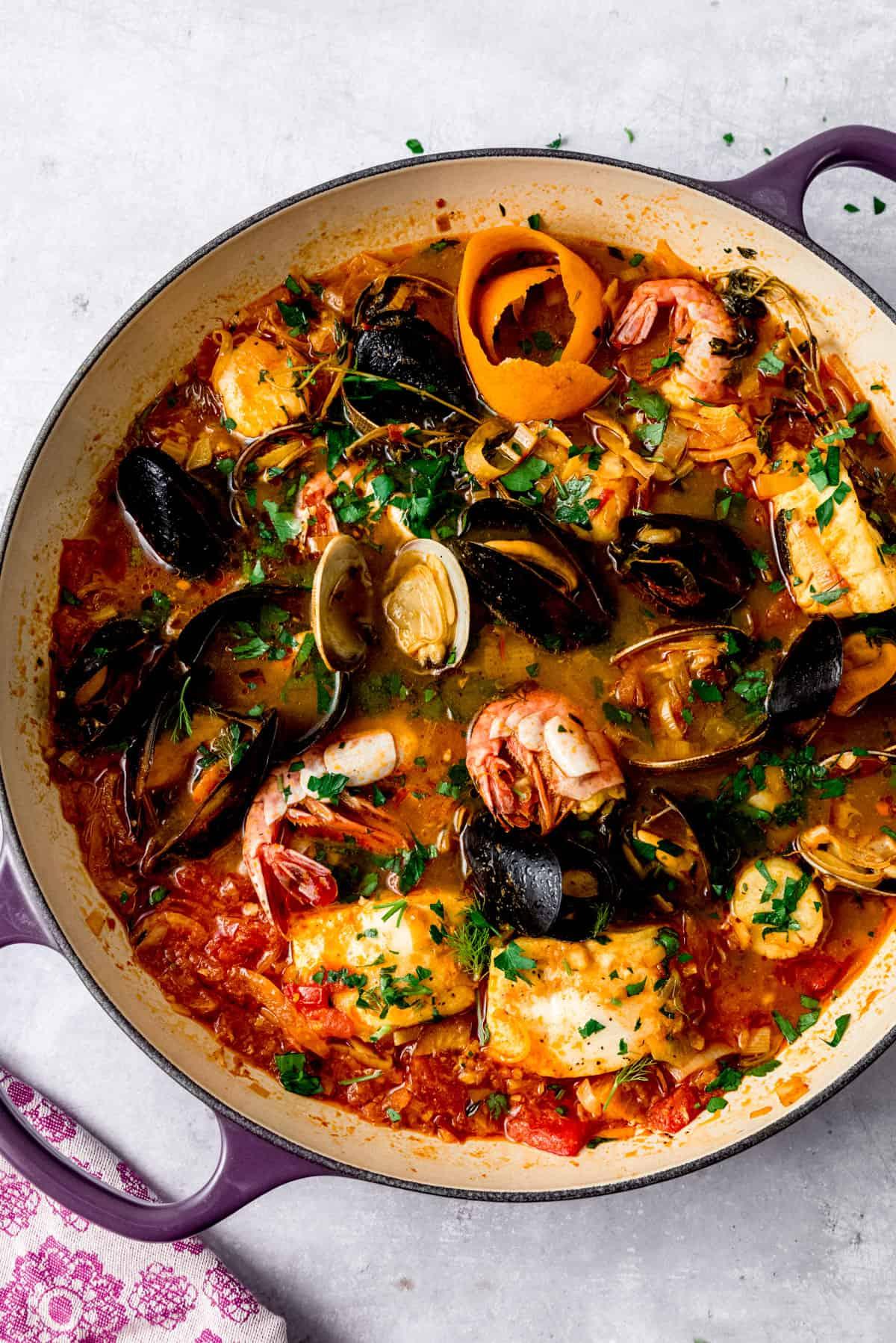
Moroccan Tagine and Saffron: The Slow-Cooked Soul of North African Cuisine
Inside the conical clay vessels of Marrakech and Fez, saffron meets preserved lemon, ginger, and slow-simmered meat to define one of the world's great cuisines.
Apr 08, 2026
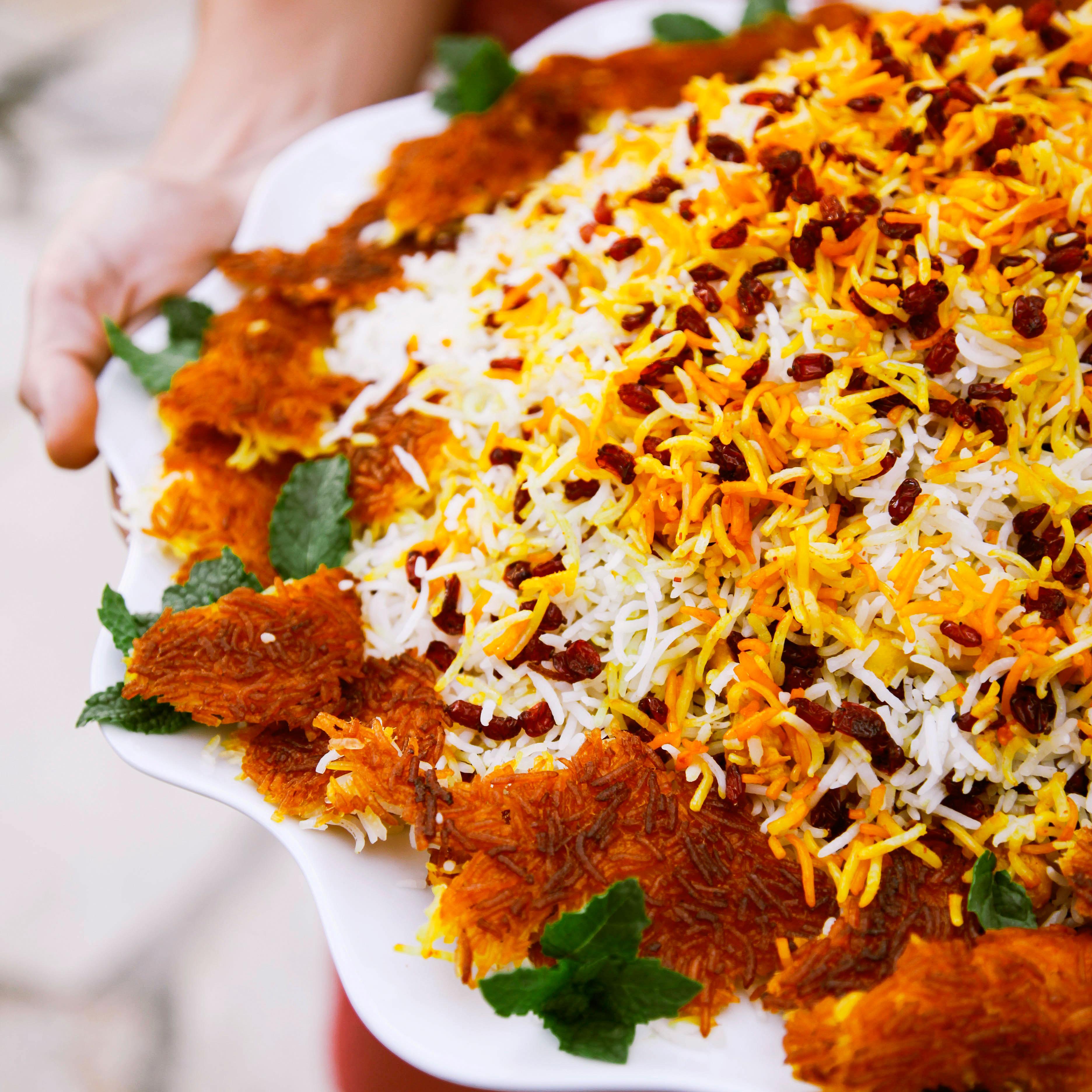
Uzbek Plov: The Saffron-Crowned Centerpiece of Central Asian Hospitality
From Samarkand to Tashkent, the cast-iron kazan and the saffron-perfumed plov define a culinary tradition that has fed Silk Road travelers for over a thousand years.