
Apr 12, 2026 · 7 min read · By Vikram Taneja
The Saffron Substitute Myth: What Turmeric, Safflower, and Annatto Cannot Replace
"Recipe writers love to suggest 'saffron substitutes.' The chemistry tells a different story — and explains why no other spice can reproduce what saffron does."
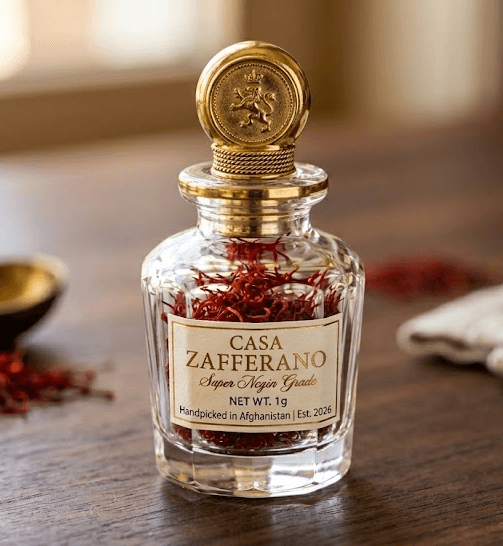
Open virtually any cookbook published in the last three decades and you will eventually encounter the suggestion to substitute turmeric, safflower petals, or annatto seeds for saffron when the real thing is unavailable or too expensive. The advice is well-meaning and reflects a sensible kitchen pragmatism. But chemically, it is also wrong in ways that matter. Turmeric, safflower, and annatto can each produce a yellow color in food, but none of them shares saffron's actual aroma chemistry, none of them carries the bitter glycoside that defines saffron's taste, and none of them produces the layered, honeyed, floral mid-palate complexity that makes saffron worth its remarkable price. To understand why saffron has no true substitute is to understand exactly why people have been willing to pay for it for three thousand years.
Turmeric: A Distant Cousin in Color Only
Turmeric (Curcuma longa) is the rhizome most commonly suggested as a saffron substitute, primarily because it produces a similar bright yellow-orange color in food. The active pigment in turmeric is curcumin — a polyphenol entirely unrelated to saffron's carotenoid crocin. Curcumin and crocin both happen to absorb light in the yellow range, but the resemblance ends there. Turmeric tastes earthy, bitter, faintly musty, and somewhat peppery; saffron tastes floral, honeyed, and sweetly bitter in a totally different register. A dish made with turmeric in place of saffron will be visually similar at first glance but will taste deeply, unmistakably wrong to anyone familiar with the real spice. The aroma profiles are equally divergent — turmeric carries no equivalent of safranal's volatile floral esters.
Safflower: The Counterfeiter's Tool
Safflower (Carthamus tinctorius) is the substitute most frequently used by saffron counterfeiters, because its dried red-orange petals can visually resemble saffron threads at a casual glance. The active pigment in safflower is carthamin, which produces a dull red-yellow color in food. But safflower is essentially flavorless and aromaless, contributing nothing to the dish beyond a faint vegetal note and a wash of color. A genuine saffron recipe replaced with safflower will taste flat, hollow, and uninteresting — none of the floral lift, none of the honeyed mid-palate, none of the metallic mineral finish that defines real saffron cuisine. Safflower is also where the cold-water test reveals its inadequacy: a few threads dropped in cold water will bleed their dye immediately and turn the water red, while the threads themselves go pale — the opposite behavior of authentic saffron, which stains the water slowly to gold while keeping its threads crimson.
Annatto: Latin America's Yellow
Annatto (Bixa orellana) is a tropical seed from Latin America that produces a strong red-orange dye widely used in Mexican, Filipino, and Caribbean cuisine. Its active pigment is bixin, another carotenoid, but again — chemically unrelated to crocin. Annatto carries a faint peppery, slightly nutty flavor that is pleasant in its own right but does not approximate saffron's floral honeyed profile in any meaningful way. Like turmeric and safflower, annatto can fake the color, but the aroma and flavor differences are immediately detectable to anyone with a developed palate. A paella made with annatto in place of saffron will look superficially similar but will lack the depth, complexity, and sensory authority of the genuine dish.
Why the Chemistry Refuses to Cooperate
Saffron's distinctive flavor profile depends on the simultaneous presence of three compounds in carefully calibrated proportions: crocin (water-soluble carotenoid for color), safranal (volatile aromatic for floral honey aroma), and picrocrocin (glycoside for the gentle bitter taste). No other natural source contains all three of these compounds in compatible ratios. Crocin alone exists in gardenia fruit but not in food-grade quantities or palatable form. Safranal is essentially unique to saffron. Picrocrocin is also unique to saffron. The combined sensory signature these three molecules produce is not reproducible by any combination of other spices, dyes, or aromatic compounds available in the global pantry. This is the chemistry underlying the cultural truth: saffron is irreplaceable because there is nothing else like it.
The Practical Conclusion: Use Less, Buy Better
For home cooks tempted by saffron's price to reach for a 'substitute,' the more useful advice is the opposite: use less saffron, buy better grade. A small one-gram tin of premium A+ Super Negin saffron, properly bloomed and used judiciously, can perfume more than a dozen meals — bringing the per-serving cost firmly into the realm of ordinary fine cooking. The alternative — a meal cooked with turmeric, safflower, or annatto in place of saffron — is not a saffron dish at a lower cost; it is a different dish entirely, one that misses the entire point of the recipe. When the recipe calls for saffron, the only path that preserves the dish's identity is to use real saffron, even in a small amount, even at premium grade.
Published by Vikram Taneja
More from the Journal
Apr 09, 2026
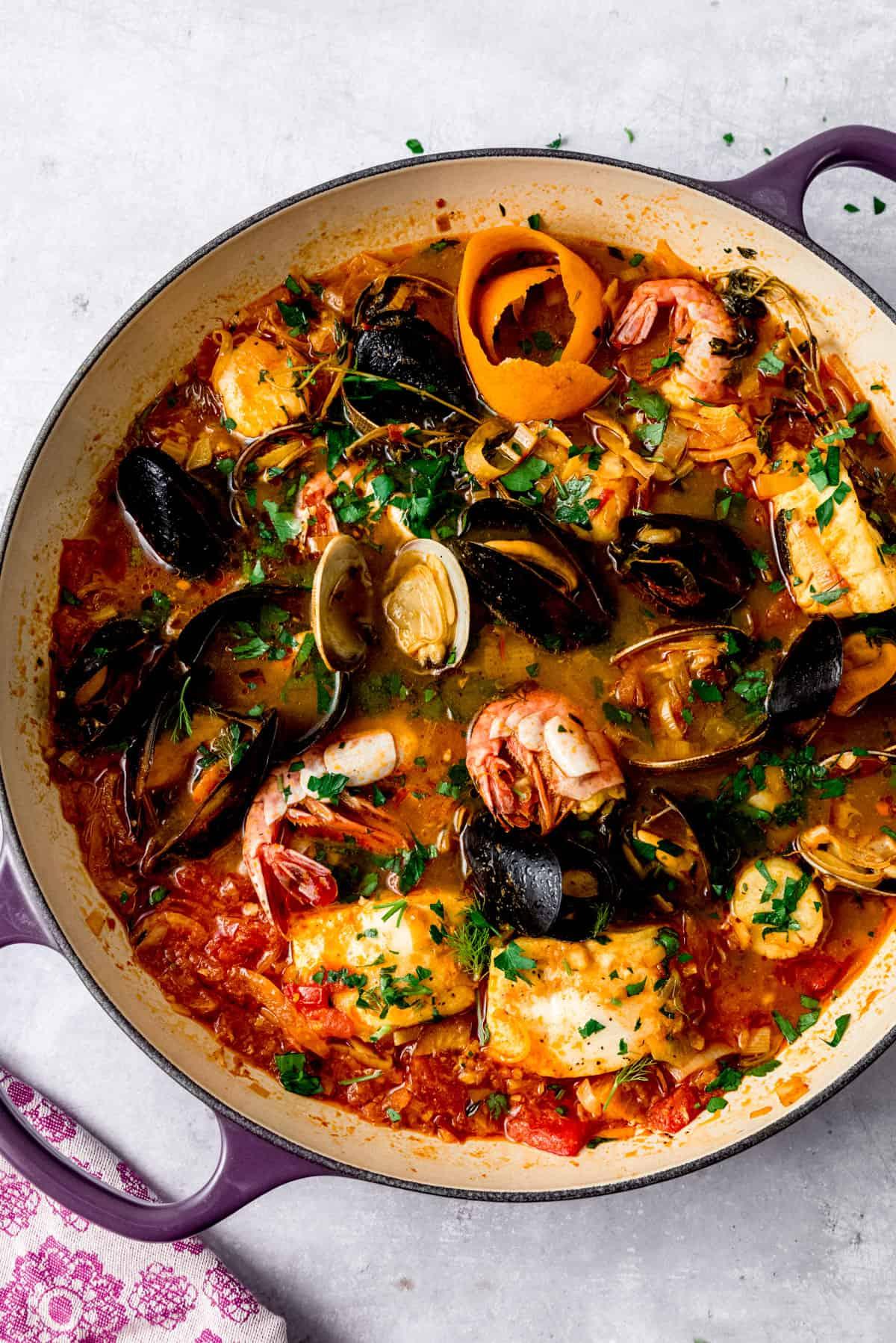
Moroccan Tagine and Saffron: The Slow-Cooked Soul of North African Cuisine
Inside the conical clay vessels of Marrakech and Fez, saffron meets preserved lemon, ginger, and slow-simmered meat to define one of the world's great cuisines.
Apr 08, 2026
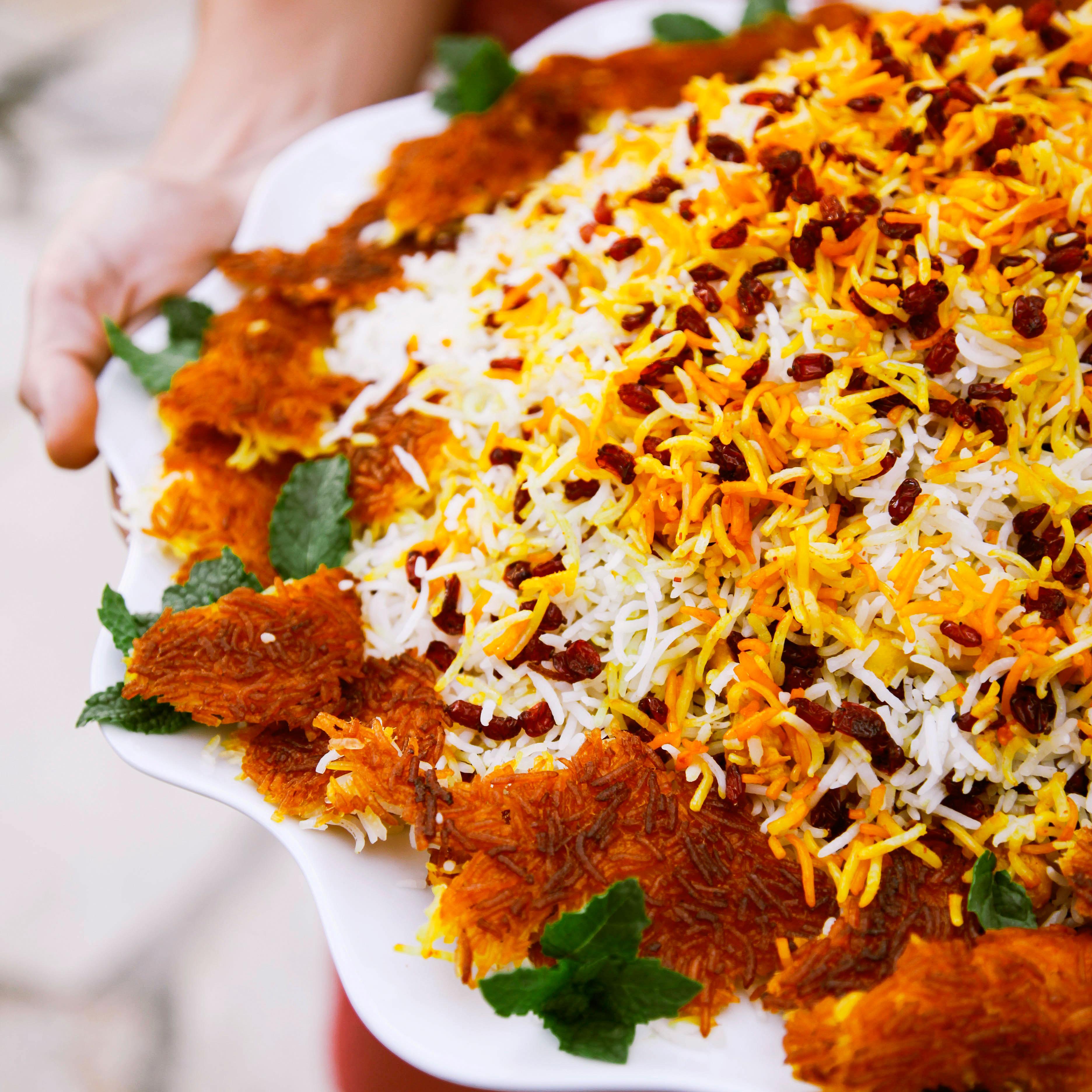
Uzbek Plov: The Saffron-Crowned Centerpiece of Central Asian Hospitality
From Samarkand to Tashkent, the cast-iron kazan and the saffron-perfumed plov define a culinary tradition that has fed Silk Road travelers for over a thousand years.