
May 04, 2026 · 8 min read · By Shaya Arya
The Saffron Spa: Ancient and Modern Beauty Science of the Golden Crocus
"Unpack the dermatological benefits of premium saffron, exploring how active antioxidants target hyperpigmentation, protect collagen, and support natural skin radiance."
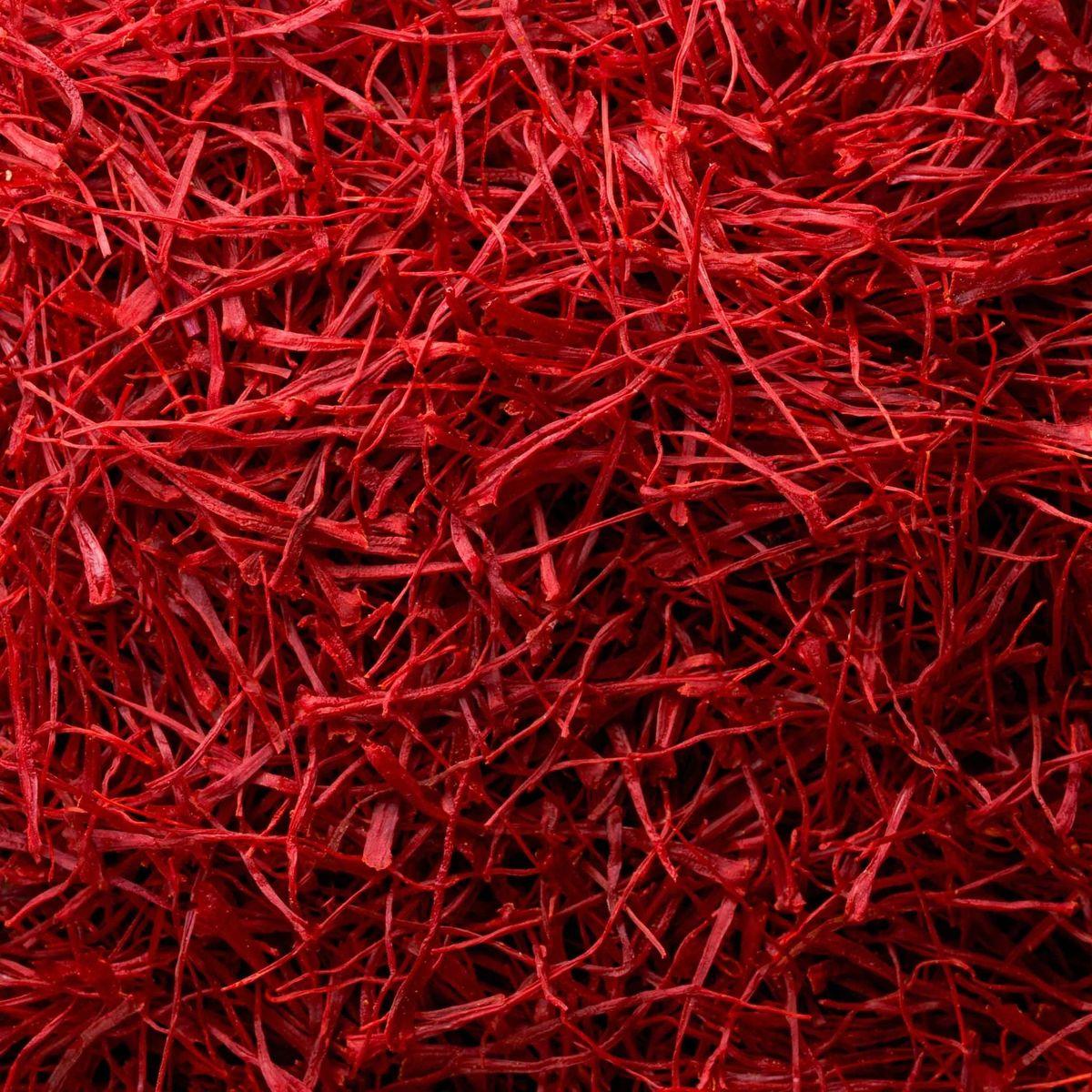
Saffron's legendary status is not limited to the kitchen or the wellness tea cup. For thousands of years, royal courts across Persia, Rome, and India prized the golden crocus as a powerful cosmetic elixir. Empresses and queens, including Cleopatra, were said to bathe in saffron-infused water to soothe their skin and maintain a radiant, golden complexion. Today, modern dermatology is catching up to these ancient beauty rituals, revealing the precise molecular science behind why saffron is an exceptionally effective ingredient for natural, clean skincare.
Brightening the Complexion: Targeting Hyperpigmentation
One of the most sought-after benefits of saffron in skincare is its natural ability to brighten the skin and target hyperpigmentation. Hyperpigmentation, including dark spots and uneven skin tone, is often caused by an overproduction of melanin, the pigment that gives our skin its color. Melanin production is triggered by an enzyme called tyrosinase.
Saffron's active carotenoids, particularly crocin and crocetin, behave as natural tyrosinase inhibitors. By gently slowing down this enzyme's activity, saffron helps prevent the overproduction of melanin, gradually fading dark spots and promoting a brighter, more even skin tone. Unlike aggressive chemical brighteners that can irritate the skin or compromise the skin barrier, saffron offers a gentle, botanical approach to achieving natural radiance, making it suitable for even the most sensitive skin types.
Shielding Against Environmental Stress: Protecting Collagen
Our skin is constantly exposed to environmental stressors, including UV radiation, air pollution, and blue light from digital screens. These stressors generate free radicals—unstable molecules that break down collagen and elastin, leading to premature aging, fine lines, and loss of firmness. Saffron's high density of antioxidants serves as a powerful protective shield against this environmental damage.
The active antioxidants in saffron neutralize free radicals before they can attack the skin's structural proteins, helping to preserve your natural collagen and elastin. Saffron also possesses natural anti-inflammatory properties, soothing redness, calming irritation, and supporting the skin's natural healing process. Whether incorporated into a DIY face mask with raw honey and yogurt or applied as a botanical facial oil infusion, our premium A+ Super Negin saffron delivers a potent dose of protective chemistry directly to your skin, supporting a healthy, youthful, and luminous complexion from the outside in.
Cellular Hydration and Barrier Repair
Modern dermatological research has also highlighted saffron's outstanding capacity to reinforce the skin's natural lipid barrier and promote microcirculation. When applied topically, the active compounds in saffron stimulate capillary blood flow in the dermis, optimizing the delivery of oxygen and micro-nutrients to skin cells. This enhanced nutrient circulation accelerates cell renewal, while saffron's rich trace elements and plant sterols reinforce the lipid bilayer. By dramatically reducing trans-epidermal water loss (TEWL), saffron locks in moisture, leaving the skin soft, plump, and thoroughly hydrated while building a durable shield against urban pollutants.
Published by Shaya Arya
More from the Journal

Apr 09, 2026
Moroccan Tagine and Saffron: The Slow-Cooked Soul of North African Cuisine
Inside the conical clay vessels of Marrakech and Fez, saffron meets preserved lemon, ginger, and slow-simmered meat to define one of the world's great cuisines.

Apr 08, 2026
Uzbek Plov: The Saffron-Crowned Centerpiece of Central Asian Hospitality
From Samarkand to Tashkent, the cast-iron kazan and the saffron-perfumed plov define a culinary tradition that has fed Silk Road travelers for over a thousand years.