
Apr 06, 2026 · 8 min read · By Shaya Arya
Saffron Through the Seasons: A Year-Round Guide to Cooking with the Golden Spice
"From winter braises to summer chilled desserts, saffron's role in the kitchen shifts with the seasons. A complete seasonal cooking guide."
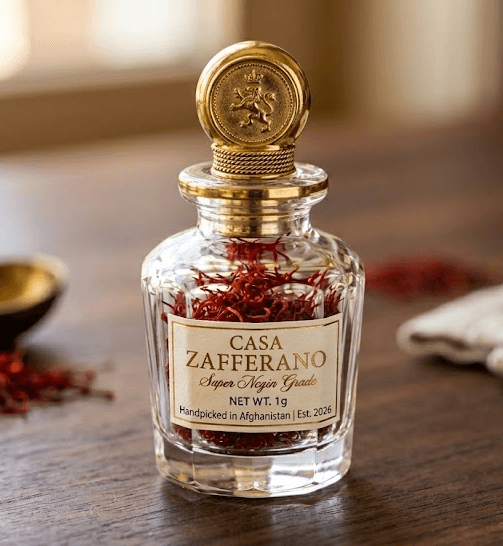
Although saffron is harvested only once a year — during the brief autumn window when the Crocus sativus flower blooms — its place in the kitchen extends through every season of the cooking calendar. The grade and storage practices that preserve a year's harvest in airtight glass make saffron a reliable year-round ingredient, but the dishes it shines in shift dramatically with the seasons. Understanding how to use saffron seasonally — matching it to the produce, the cooking technique, and the cultural moment of each part of the year — is one of the secrets of cooks who use the spice with confidence rather than reservation.
Winter: Braises, Stews, and Saffron-Cream Pastas
Cold winter evenings are saffron's natural home in the kitchen. The slow-braised dishes that define winter cooking — Persian fesenjan, Moroccan lamb tagine, Indian saffron biryani, Milanese ossobuco with saffron risotto — all benefit from the long, patient cooks that allow saffron's flavors to meld with rendered meat fats and reduced cooking liquids. Saffron-cream sauces over hand-cut pasta become especially welcome in winter, when their golden warmth and rich mouthfeel pair perfectly with the season's mood. A simple weeknight pasta with cream, garlic, white wine, fresh parsley, and twenty threads of bloomed saffron can transform an ordinary Tuesday into a small culinary celebration during the darkest weeks of the year.
Spring: Saffron with Young Vegetables and Herbs
Spring brings asparagus, fresh peas, fava beans, baby artichokes, ramps, and tender herbs — produce that saffron pairs with beautifully when handled with restraint. The Nowruz tradition of sabzi polo (herbed rice with fish and bloomed saffron) anchors the spring saffron repertoire, alongside saffron-glazed spring lamb chops with mint and fresh peas, saffron-yogurt sauces over grilled spring vegetables, and saffron-infused olive oils drizzled over young asparagus or fresh fava bean salads. In spring, the saffron should be used with a lighter hand than in winter — a delicate floral lift rather than a deep braising background — allowing the vegetables themselves to share the foreground.
Summer: Saffron in Chilled Desserts and Cocktails
Summer is the season when saffron migrates from the stove to the freezer and the cocktail glass. Saffron panna cotta with fresh berries, saffron-pistachio kulfi, saffron sorbet with poached stone fruit, saffron-rose syrup over shaved ice, and saffron-infused lemonade or gin cocktails all carry the spice into the heat of summer afternoons. The principle is to use saffron's floral honey notes to harmonize with summer fruit — peach, apricot, raspberry, fig, mango — while letting the bright acidity of the produce balance saffron's mid-palate richness. Summer saffron desserts also work beautifully with rose water, cardamom, pistachio, and a touch of citrus zest, creating layered chilled treats that capture the entire flavor vocabulary of the great saffron-loving cuisines.
Autumn: Saffron and the Harvest Table
Autumn is, fittingly, the season of saffron's own harvest — and the moment when the previous year's stocks meet the arrival of new threads. Autumn cooking turns naturally to the rich, comforting saffron dishes that bridge summer's lightness with winter's depth: roasted squash with saffron-honey glaze, saffron-mushroom risotto with toasted hazelnuts, saffron-apple compotes for autumn cheese boards, slow-roasted root vegetables drizzled with saffron-bloomed olive oil. The new-harvest saffron arriving from Herat in late autumn is at its absolute aromatic peak — the fresh threads carry a brightness and clarity that subtly fades over the year of storage that follows, making autumn an especially rewarding time to refresh the saffron tin.
The Holiday Repertoire
Across the seasonal arc, the major holidays anchor the saffron calendar in important ways. Nowruz in spring brings Persian saffron rice and sholeh zard. Eid al-Fitr (timing varies but often late spring or summer) features biryani, kahwa, and saffron-sweetened sevaiyaan. Diwali in autumn brings saffron-laden Indian sweets like kesari peda and kesar barfi. Christmas and Saint Lucia's Day in winter bring Swedish lussekatter and Cornish saffron buns. New Year and Lunar New Year often feature saffron rice dishes for prosperity. Building a saffron-driven holiday repertoire allows a single ingredient to mark the rhythm of the entire year, creating culinary continuity across the cultural calendar.
Buying Saffron with the Seasonal Calendar in Mind
Because new-harvest saffron arrives in late autumn (October through December for the Herat crop), the most chemically vibrant saffron of the year is available roughly from November through the following spring. Cooks who buy a fresh tin of A+ Super Negin saffron in early winter benefit from peak crocin and safranal concentrations for the heaviest winter and spring cooking, with gradual but graceful decline through the summer. For those who cook with saffron year-round, Casa Zafferano recommends purchasing a one or two-gram tin of hand-trimmed Super Negin in the late autumn or early winter and finishing it by the following autumn — a cooking rhythm that perfectly matches the rhythm of the saffron harvest itself.
Published by Shaya Arya
More from the Journal
Apr 09, 2026
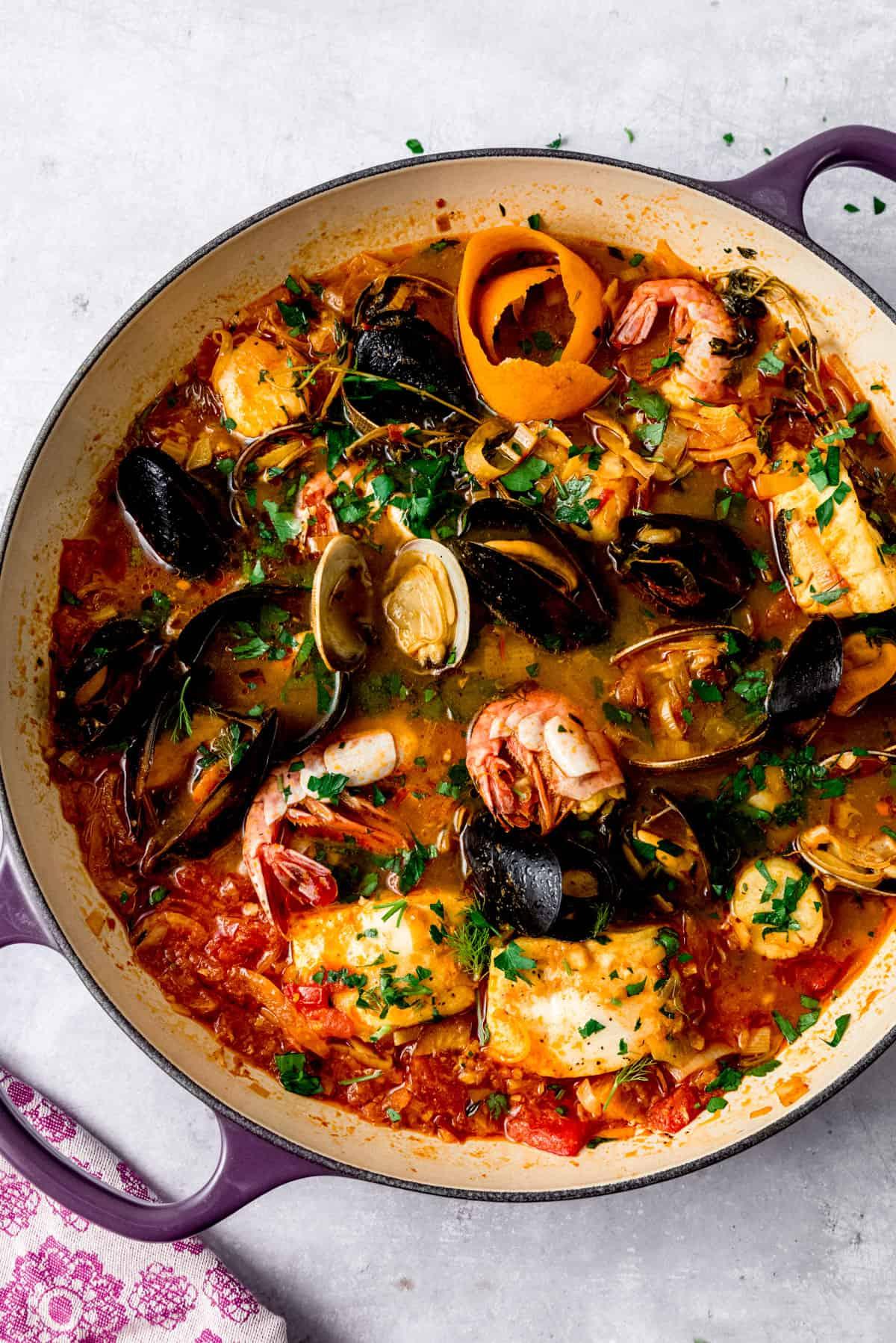
Moroccan Tagine and Saffron: The Slow-Cooked Soul of North African Cuisine
Inside the conical clay vessels of Marrakech and Fez, saffron meets preserved lemon, ginger, and slow-simmered meat to define one of the world's great cuisines.
Apr 08, 2026
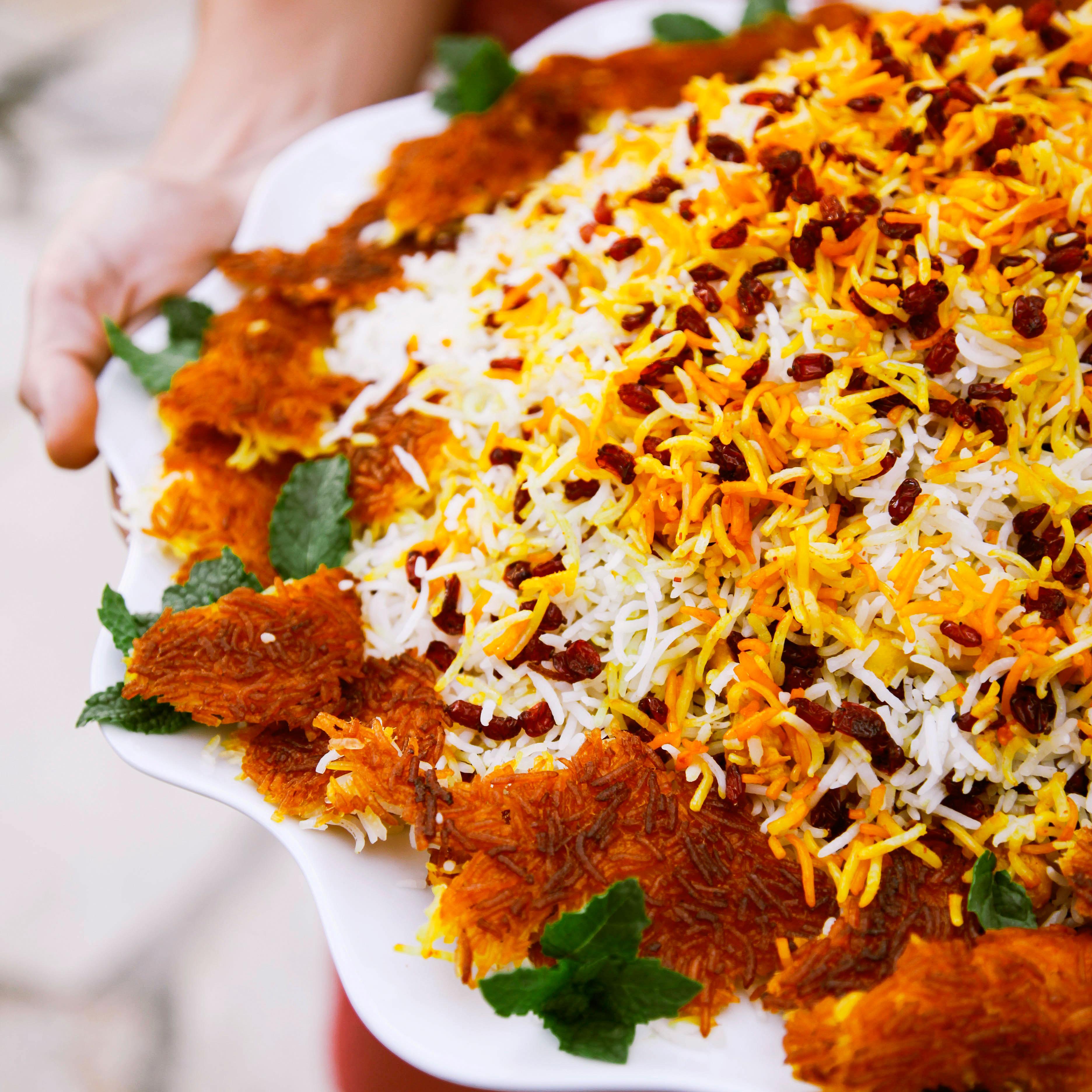
Uzbek Plov: The Saffron-Crowned Centerpiece of Central Asian Hospitality
From Samarkand to Tashkent, the cast-iron kazan and the saffron-perfumed plov define a culinary tradition that has fed Silk Road travelers for over a thousand years.