
Apr 15, 2026 · 9 min read · By Shaya Arya
The Sacred Thread: Saffron in Religious and Cultural Traditions Across the World
"From Buddhist robes to Hindu temple offerings, from Persian poetry to Catholic liturgy, the spiritual significance of saffron stretches across continents and millennia."
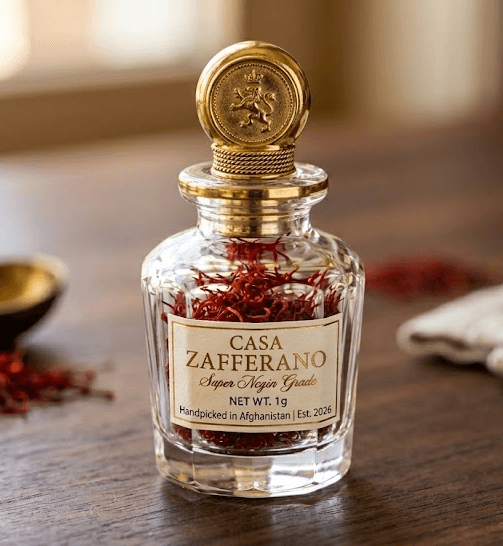
Long before saffron became a culinary luxury or a wellness ingredient, it was a sacred thing. For over three thousand years, the deep crimson stigmas of the Crocus sativus and the brilliant gold dye they produce have anchored religious, ritual, and spiritual traditions across an extraordinarily wide swath of the world. From the saffron-dyed robes of Buddhist monks in Tibet to the saffron-rice offerings of Hindu temples in South India, from the Persian Sufi poetry that uses saffron as a metaphor for divine love to the Catholic liturgy that once incorporated saffron into ceremonial bread, the spice has consistently served as a symbol of warmth, illumination, renunciation, and divine presence. To understand saffron fully is to recognize that its cultural meaning has always been bigger than its culinary application.
Buddhist Robes: The Color of Renunciation
Across the Theravada Buddhist traditions of Sri Lanka, Thailand, Myanmar, Laos, and Cambodia, monks have worn robes dyed a distinctive deep orange-yellow for over two thousand years. The color — known as saffron orange in English, though the historical dye sources vary by region — is traditionally associated with the inexpensive, easily available plant dyes used by the earliest Buddhist communities, including saffron, turmeric, and bark extracts. The chosen color symbolizes renunciation, simplicity, and the choice to embrace a life beyond material ornament. In Tibetan and Mahayana traditions, monastic robes lean more toward a deeper burgundy red, but the broader symbolic resonance of warm, earth-toned dyes traces back to the same root tradition. To this day, the saffron-orange robe remains the single most recognizable visual signature of Buddhist monasticism.
Hindu Tradition: Saffron as Sacred Offering
In the Hindu tradition, saffron holds an especially exalted position. The spice is offered to deities in temple worship, used in the preparation of consecrated foods (prasad), and incorporated into the saffron-colored flags (kesari dhwaj) that fly above temples across India and Nepal. Saffron-tinted rice dishes — kesari bhath in South India, zarda in the North — are prepared for major festivals including Diwali, Janmashtami, and various wedding ceremonies. The spice's golden color is associated with the sun, with the divine fire (agni), and with the spiritual quality of sattva — purity, harmony, and elevated consciousness. In some traditions, the application of saffron paste to the forehead is part of religious devotion, marking the wearer as set apart for spiritual purpose.
Persian Sufi Poetry: Saffron as Divine Love
In the great Sufi poetic tradition of Persia, saffron functions as a recurring metaphor for the burning intensity of divine love and the transformative power of spiritual longing. The thirteenth-century poet Rumi, whose work has been translated into more languages than perhaps any other Eastern poet, references saffron frequently as a symbol of the soul's ardent, golden-flamed yearning for union with the divine. The earlier poet Hafez similarly uses the imagery of saffron-perfumed wine and saffron-stained robes as markers of the mystical state. For Persian Sufis, the spice's combination of intense color, complex flavor, and high value made it an ideal symbol for the precious, hard-won transformations of the spiritual path.
Catholic and Christian Traditions
While Christianity does not have the same explicit ritual use of saffron as the Buddhist or Hindu traditions, the spice nonetheless played a documented role in medieval Catholic religious life. Saffron was used to dye the gold cloths that wrapped sacred relics, to color the wax of ceremonial candles, and — in some medieval manuscripts — to mix the brilliant gold paint that illuminated the haloes of saints in religious art. The Cornish saffron buns baked for Easter and harvest festivals in Cornwall, England trace their origins partly to medieval Christian holiday baking traditions, in which the precious imported spice signaled the celebratory importance of the feast day. Saffron buns were similarly central to St. Lucia's Day celebrations in Sweden, where the golden color of the bread symbolized the return of light during the darkest weeks of the year.
Zoroastrian and Pre-Islamic Persian Traditions
Before the arrival of Islam in Persia, the Zoroastrian religion treated saffron as a sacred substance associated with the divine fire of Ahura Mazda. The spice was incorporated into religious offerings, used in the preparation of foods served at major festivals such as Nowruz and Mehrgan, and considered a symbol of the eternal sun. Many of these Zoroastrian-era saffron rituals were preserved into the Islamic period and continue today in modified form — the centrality of saffron at the Nowruz table, for example, traces back through unbroken cultural memory to the Zoroastrian celebration of the spring equinox. The modern Persian reverence for saffron is, in this sense, one of the oldest continuous religious-cultural traditions surviving in the world.
The Modern Inheritance
For modern saffron consumers in Seattle and across the world, knowing this sacred history changes the experience of cooking with the spice. The pinch of saffron you bloom for tonight's risotto carries the same cultural inheritance that perfumed Buddhist robes, Hindu temple offerings, Sufi poetry, and Persian solar festivals. At Casa Zafferano, we believe that selling premium saffron means honoring this inheritance — sourcing transparently from Herat farming families, processing with the same patience the spice has demanded for three millennia, and packaging in airtight glass that respects the chemical integrity the ancient traditions worked so hard to preserve. The thread you sprinkle into your cooking is, in a very real sense, the same thread that has carried human cultural meaning across continents and centuries.
Published by Shaya Arya
More from the Journal
Apr 09, 2026
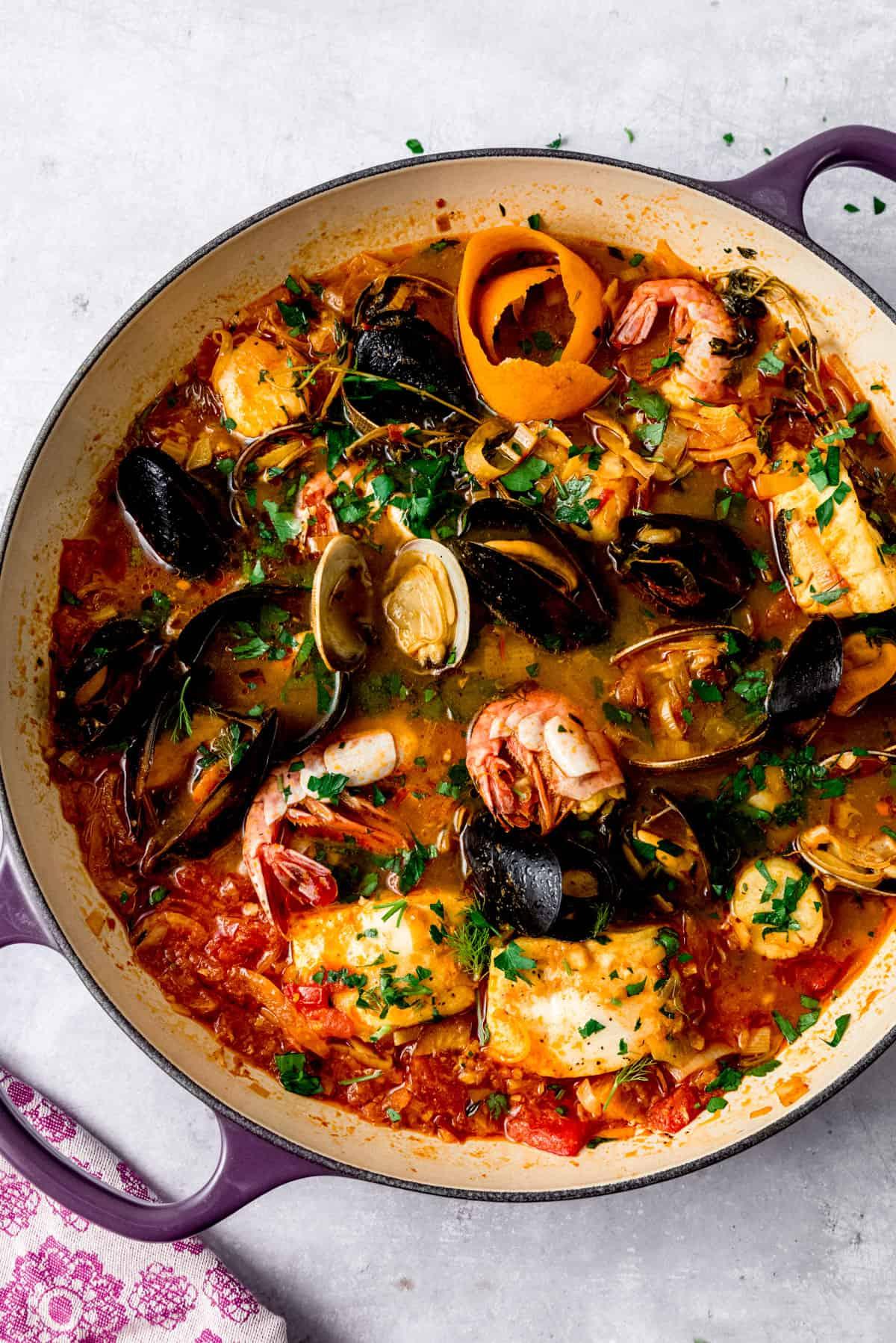
Moroccan Tagine and Saffron: The Slow-Cooked Soul of North African Cuisine
Inside the conical clay vessels of Marrakech and Fez, saffron meets preserved lemon, ginger, and slow-simmered meat to define one of the world's great cuisines.
Apr 08, 2026
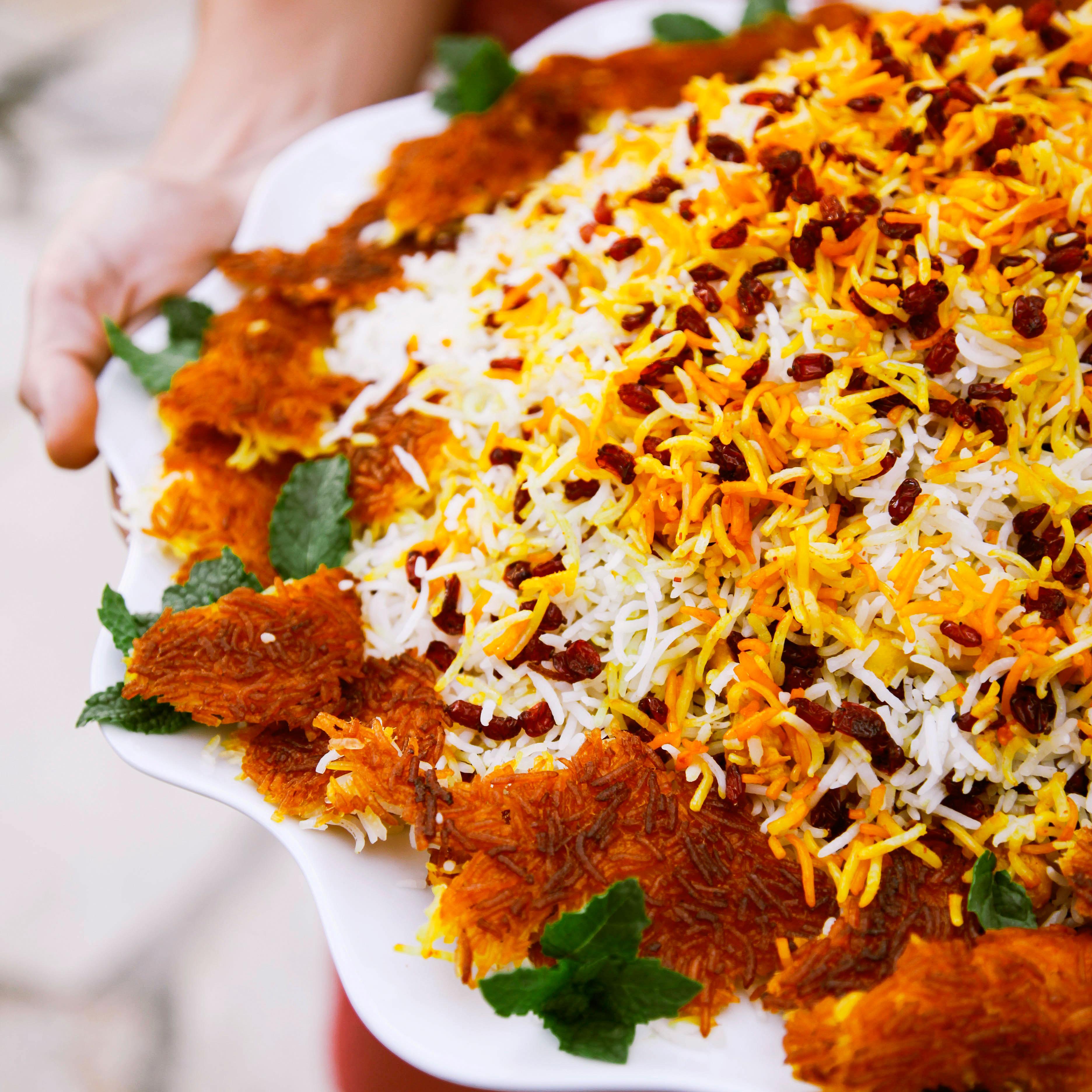
Uzbek Plov: The Saffron-Crowned Centerpiece of Central Asian Hospitality
From Samarkand to Tashkent, the cast-iron kazan and the saffron-perfumed plov define a culinary tradition that has fed Silk Road travelers for over a thousand years.