Apr 10, 2026 · 7 min read · By Shaya Arya
The Saffron Pantry: Essential Pairing Spices, Herbs, and Aromatics
"Saffron rarely works alone. Build the complete saffron-friendly pantry: cardamom, rose, pistachio, citrus zest, and the chemistry behind why they belong together."
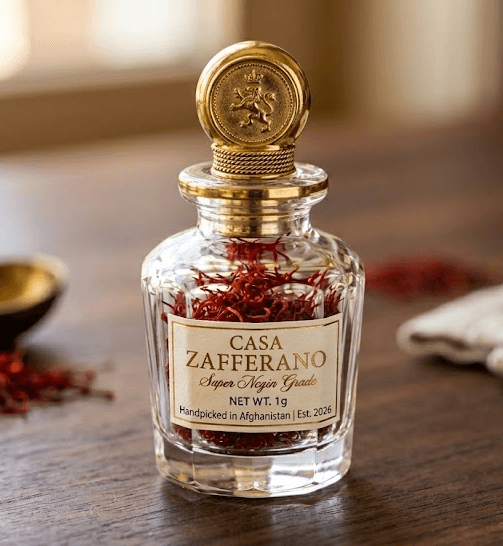
Saffron is rarely the only aromatic in a great saffron dish. Across the world's saffron-loving cuisines, certain herbs, spices, and aromatic ingredients appear again and again alongside the golden threads — not because tradition simply demands it, but because the chemistry genuinely harmonizes. Building a saffron-friendly pantry means stocking a small constellation of supporting ingredients that pull the best out of every pinch of A+ Super Negin saffron you cook with. Here is the chef's-eye guide to the essential pairings that show up across Persian, Indian, Italian, Spanish, and Middle Eastern saffron cooking.
Green Cardamom: The Floral Sibling
Green cardamom (Elettaria cardamomum) is saffron's most reliable companion across virtually every cuisine that uses both. The two spices share overlapping aromatic profiles — floral, sweet, faintly cooling — that combine into something more complex than either alone. The volatile oils in cardamom (mainly 1,8-cineole and α-terpinyl acetate) interact harmoniously with saffron's safranal, creating a layered floral bouquet that defines Persian saffron desserts, Indian saffron pudding, and Middle Eastern saffron teas. Buy whole green pods rather than ground cardamom — the volatile oils oxidize quickly once the pods are cracked, and freshly crushed cardamom is dramatically more aromatic.
Rose: The Petal and the Water
Dried rose petals and distilled rosewater are the second great saffron companion, appearing throughout Persian, Indian, and Middle Eastern saffron cuisine. The active aromatic compounds in rose — primarily β-damascenone and 2-phenylethanol — share floral, slightly fruity notes that mirror saffron's honeyed esters. A pinch of dried rose petals scattered across a finished saffron rice, a drizzle of rosewater into saffron-infused milk, a saffron-rose sugar syrup poured over almond cake — these classic combinations are not arbitrary tradition. They are chemistry-validated harmonies that have stood the test of three millennia of cooking. Buy food-grade dried rose petals from a reputable source and rosewater that has been distilled from actual rose petals rather than synthesized from fragrance compounds.
Pistachio: The Green Counterpoint
Pistachios are the visual and textural counterpoint that elevates nearly every saffron dessert and many saffron rice dishes. Their bright green color contrasts beautifully with saffron's golden orange, while their faint floral-buttery flavor harmonizes with safranal's aromatic profile. The natural fats in pistachios also help disperse and carry saffron's fat-soluble aroma compounds across the plate. Look for raw, unsalted pistachios from Iran or California — preferably whole rather than slivered, so you can chop them fresh as needed. For desserts, lightly toasting the pistachios in a dry pan before chopping intensifies their flavor and adds a faint caramelized note that pairs especially well with saffron-infused dairy.
Citrus Zest: The Aromatic Lift
Lemon, orange, and mandarin zest provide a bright, volatile counterpoint that lifts saffron's mid-palate complexity without competing for the foreground. Orange zest in particular is a recurring pairing in Mediterranean saffron cooking — appearing in bouillabaisse, in Sicilian saffron rice, in saffron-orange-blossom syrups across the Levant. The terpenoid oils in citrus zest (limonene and others) volatilize at low temperature and broadcast across the plate, creating an aromatic 'lift' that draws the saffron's floral notes upward into the foreground. Always zest citrus with a microplane and add late in the cooking — citrus oils dissipate quickly under sustained heat.
Salted Butter and Premium Olive Oil
Saffron's fat-soluble safranal compounds need a fat carrier to fully express, which makes the choice of cooking fat genuinely important in saffron cooking. For Persian, French, and Italian saffron dishes, salted European-style cultured butter — with its higher butterfat content and gentle lactic tang — is the gold standard. For Mediterranean and North African saffron cooking, a high-quality single-varietal extra virgin olive oil (Coratina, Picual, or Arbequina) provides a fruity, peppery foundation that lets the saffron shine. For Indian saffron desserts and biryanis, clarified butter (ghee) is the traditional fat — its concentrated dairy lipids and high smoke point make it exceptional for saffron infusion and dum cooking.
Honey, Vanilla, and Acacia Syrup
For finishing saffron desserts and beverages, the natural sweet aromatics — raw acacia honey, vanilla bean, and aged date syrup — provide the deepest harmony. Honey's floral notes mirror safranal's floral chemistry; vanilla's vanillin pairs with saffron's faintly woody undertones; date syrup's caramelized sugar adds depth that contrasts beautifully with saffron's mid-palate bitterness. Keep one good jar of each in the saffron pantry, and a saffron-cardamom tea, a saffron-honey latte, or a saffron-vanilla custard is always five minutes away. Casa Zafferano's customers in Seattle and across the country routinely tell us that once they build out the saffron pantry properly, the spice transitions from special-occasion treat to everyday joy — exactly as the great saffron-loving cuisines of the world have always intended.
Published by Shaya Arya
More from the Journal
Apr 09, 2026
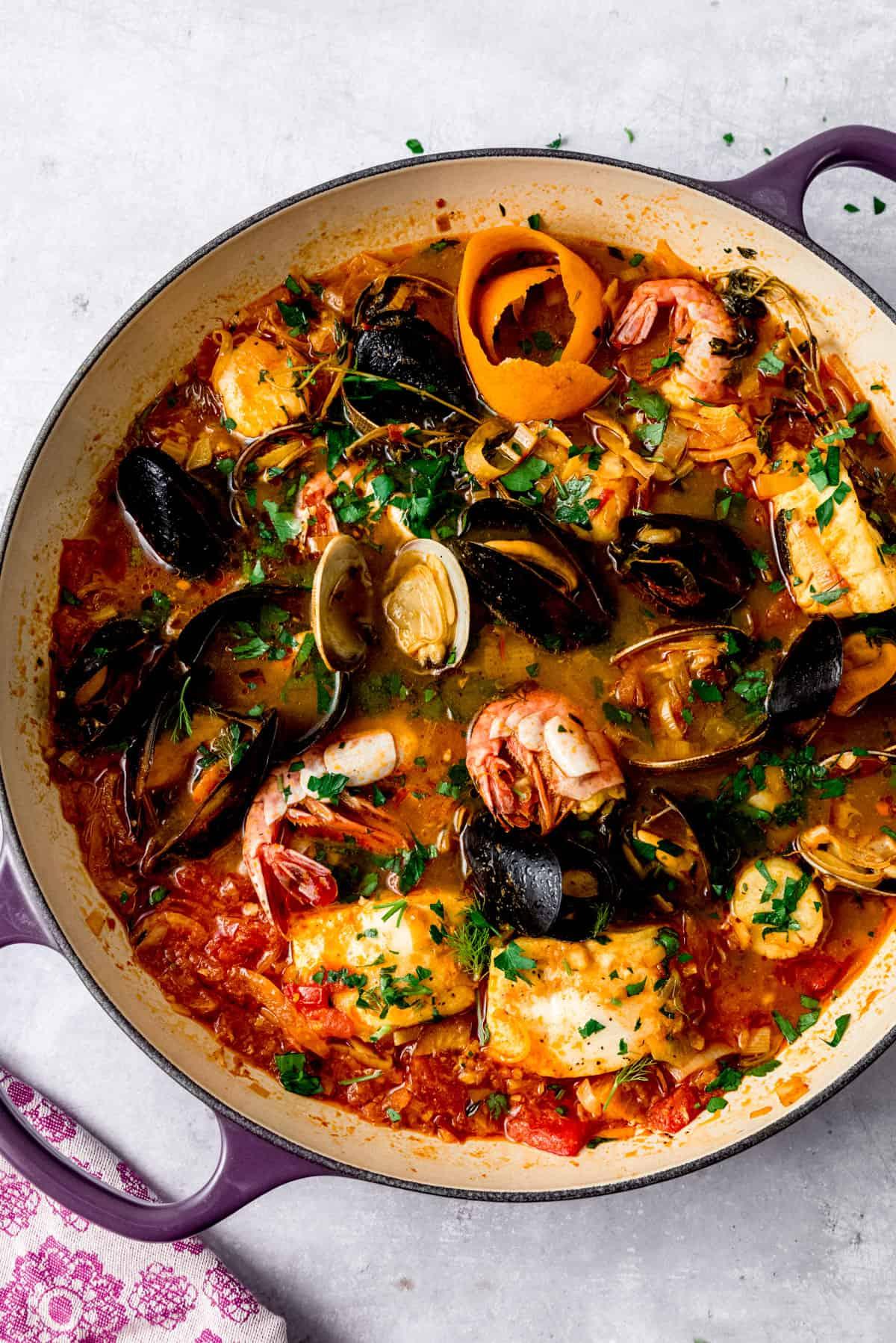
Moroccan Tagine and Saffron: The Slow-Cooked Soul of North African Cuisine
Inside the conical clay vessels of Marrakech and Fez, saffron meets preserved lemon, ginger, and slow-simmered meat to define one of the world's great cuisines.
Apr 08, 2026
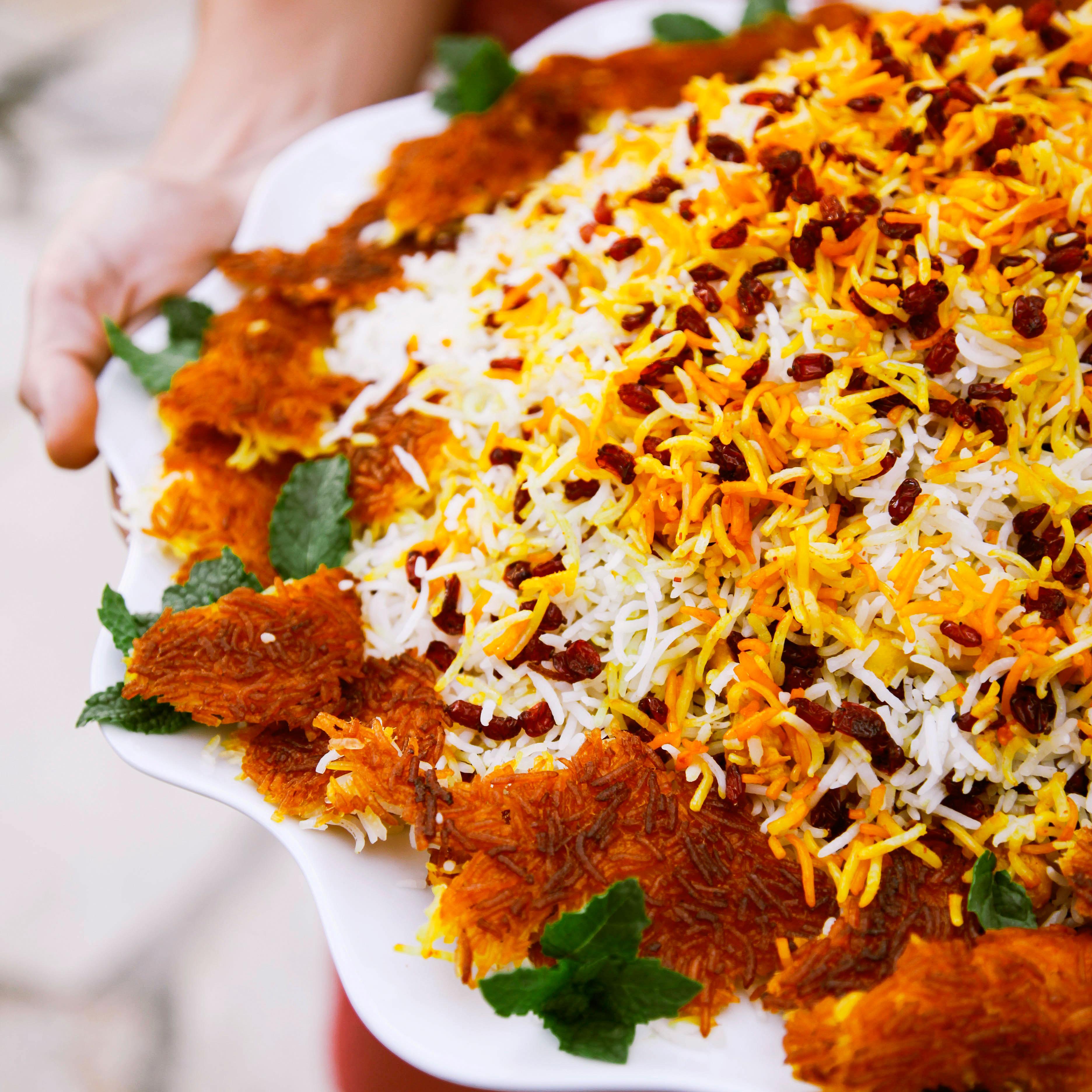
Uzbek Plov: The Saffron-Crowned Centerpiece of Central Asian Hospitality
From Samarkand to Tashkent, the cast-iron kazan and the saffron-perfumed plov define a culinary tradition that has fed Silk Road travelers for over a thousand years.