
Apr 19, 2026 · 8 min read · By Shaya Arya
Saffron at the Nowruz Table: The Golden Spice of the Persian New Year
"From the Haft-Sin spread to the saffron rice that crowns the celebration, explore how the golden spice anchors every dish on the Persian New Year table."
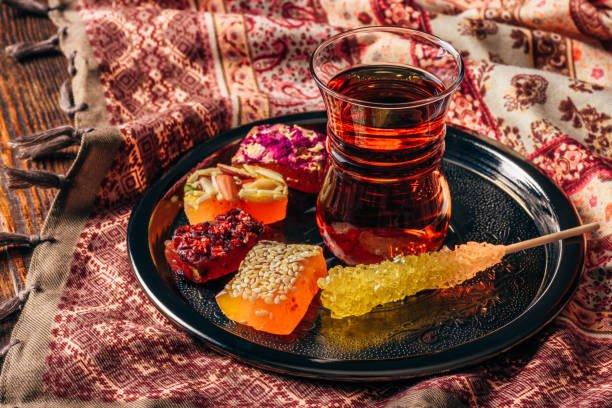
On the spring equinox each year, a tradition over three thousand years old transforms households across Iran, Afghanistan, Tajikistan, Azerbaijan, Kurdistan, and the global Persian diaspora. Nowruz — literally 'new day' — marks the Persian New Year and the beginning of spring, a thirteen-day celebration of renewal, family, fertility, and the triumph of light over winter darkness. At the heart of every Nowruz table lies the same golden thread that has bound Persian celebration to ceremony for millennia: saffron. From the symbolic Haft-Sin spread to the labor-intensive desserts that anchor the holiday meals, saffron is the spice that announces the arrival of the new year with its unmistakable color, aroma, and warmth.
The Haft-Sin: Seven Symbols and the Golden Thread
Central to Nowruz is the Haft-Sin, a ceremonial spread of seven items whose Persian names begin with the letter 'sin' (س) and each represent an aspect of life and renewal: sabzeh (sprouted wheat or lentil greens, for rebirth), samanu (sweet wheat pudding, for affluence), senjed (dried oleaster, for love), seer (garlic, for medicine), seeb (apple, for beauty), somaq (sumac, for the color of sunrise), and serkeh (vinegar, for patience). Around this symbolic core, families arrange additional traditional items: a mirror, painted eggs, lit candles, a goldfish in a small bowl, a copy of the Hafez Divan or the Shahnameh, and — almost universally — a small dish of saffron or a glass of saffron-tinted water. The saffron represents the warmth and abundance of the year to come, its golden color echoing the rising spring sun.
Sabzi Polo Mahi: The Equinox Feast
The traditional Nowruz meal eaten at the moment of the spring equinox is sabzi polo mahi: fragrant herbed rice served alongside whole grilled or pan-fried white fish. The rice is built from long-grain basmati cooked with a generous quantity of finely chopped fresh herbs — dill, parsley, cilantro, fenugreek, and chives — and finished with a dramatic drizzle of bloomed saffron. The contrast between the bright green herbed rice and the brilliant golden saffron is the visual centerpiece of the meal: a literal representation of spring's arrival, with green growth emerging from beneath the golden warmth of the returning sun. The fish — typically a whole sea bream, branzino, or trout — symbolizes life, water, and the renewal of the natural world.
Sholeh Zard: The Golden Saffron Pudding
No Nowruz celebration is complete without sholeh zard — a brilliant, sunset-colored saffron rice pudding that is both a dessert and a deeply symbolic offering. The dish is made by slow-cooking short-grain rice in water with sugar, rose water, ground cardamom, and a generous quantity of bloomed A+ Super Negin saffron. As the pudding thickens, the saffron infuses every grain with its golden color and floral honey aroma. Sholeh zard is poured into shallow dishes and decorated, while still warm, with ground cinnamon stenciled into geometric patterns and showered with slivered almonds, pistachios, and dried rose petals. Many Persian families prepare large quantities of sholeh zard during Nowruz to give as gifts to neighbors and to share at memorial gatherings — the golden color is associated both with celebration and with prayer.
Reshteh Polo: The Noodle Rice of Fortune
Another beloved Nowruz dish is reshteh polo — a layered rice pilaf featuring thin Persian noodles (reshteh), dates, raisins, and a generous saffron glaze. The noodles symbolize the threads of life and the choices that bind a person's destiny, with Persians traditionally eating reshteh polo at the beginning of the new year as a way of 'reaching for the strands' of the future. The dish is built with the same layering technique used for zereshk polo, with parboiled basmati rice alternated with toasted noodles, dates, and golden raisins, then steam-cooked under a damkoni-wrapped lid. The final pour of bloomed saffron over the assembled rice creates the golden marbling that defines the visual identity of every Persian celebration plate.
Sizdah Bedar: The Thirteenth Day and Saffron Picnics
Nowruz culminates on the thirteenth day with Sizdah Bedar — a national outdoor picnic day on which families take to parks, riversides, and the countryside to ward off the bad luck associated with the number thirteen. Saffron travels with them: Persian families pack steamed basmati rice with saffron-drizzled tahdig, joojeh kabab marinated in saffron yogurt, and thermoses of warm saffron-cardamom tea. The sabzeh from the Haft-Sin is ceremonially released into a flowing stream, completing the symbolic circle of the new year. For the Persian diaspora living in Seattle, Los Angeles, Toronto, and beyond, the smell of bloomed saffron at a Sizdah Bedar picnic is the smell of home — the unmistakable golden thread that binds three thousand years of cultural memory to a single, perfect spring day.
Published by Shaya Arya
More from the Journal
Apr 09, 2026
Moroccan Tagine and Saffron: The Slow-Cooked Soul of North African Cuisine
Inside the conical clay vessels of Marrakech and Fez, saffron meets preserved lemon, ginger, and slow-simmered meat to define one of the world's great cuisines.
Apr 08, 2026
Uzbek Plov: The Saffron-Crowned Centerpiece of Central Asian Hospitality
From Samarkand to Tashkent, the cast-iron kazan and the saffron-perfumed plov define a culinary tradition that has fed Silk Road travelers for over a thousand years.