
May 05, 2026 · 8 min read · By Vikram Taneja
Golden Serenity: Saffron's Impact on Cognitive Health, Memory, and Focus
"Explore the fascinating neuroscience of saffron as a natural, highly active nootropic supporting memory retention, neurotransmitter balance, and mental focus."
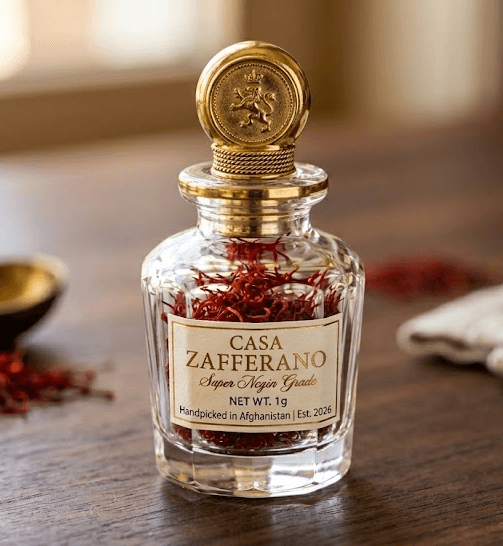
In our fast-paced modern world, maintaining mental focus, memory retention, and emotional balance is a constant challenge. While many turn to synthetic stimulants or aggressive caffeine habits to boost productivity, these options often bring unpleasant side effects: jitters, sudden energy drops, and disrupted sleep. Saffron, however, offers a gentler, more restorative alternative. Long celebrated in ancient wellness systems as a memory booster and mood balancer, modern neuroscience is now validating saffron as a highly active, natural nootropic.
The Neuroprotective Shield of Crocin
To understand how saffron supports brain health, one must look at how its active compounds cross the blood-brain barrier. The blood-brain barrier is a highly selective border that prevents harmful toxins in the blood from entering the central nervous system. Saffron's primary antioxidant pigment, crocin, is one of the rare natural carotenoids that can cross this barrier, allowing it to deliver potent antioxidant protection directly to brain cells.
Once inside the brain, crocin acts as a powerful neuroprotective agent, shielding delicate neurons from oxidative stress and chronic inflammation—two factors that contribute to mental fatigue and age-related cognitive decline. By neutralizing free radicals, crocin supports the structural integrity of brain cells and encourages long-term cognitive vitality. Research suggests that this antioxidant protection is highly effective for maintaining memory retention, helping you process and store information more efficiently throughout the day.
Neurotransmitter Balance and Mental Focus
Beyond cellular protection, saffron plays an active role in regulating neurotransmitter pathways. Clinical studies reveal that saffron's active bioactives, particularly safranal and crocin, help maintain a balanced presence of key chemical messengers in the brain: serotonin, dopamine, and norepinephrine. These neurotransmitters are critical for regulating mood, motivation, and mental focus.
By helping to sustain healthy levels of these vital chemical messengers in the brain's synapses, saffron supports a steady, focused state of mind without the sudden spikes or nervous energy associated with caffeine. Users often report a calm, clear-headed focus that allows them to tackle complex tasks with sustained attention. A warm cup of saffron-infused tea in the morning or early afternoon can serve as a mindful wellness ritual, helping you stay calm, sharp, and mentally agile through your busiest hours.
Brain Plasticity and Long-Term Cognitive Vitality
Beyond immediate neurotransmitter support, recent clinical studies highlight saffron's capacity to facilitate synaptic plasticity and long-term potentiation. The carotenoids crocin and crocetin have been shown to stimulate the expression of Brain-Derived Neurotrophic Factor (BDNF), a crucial growth protein that supports the survival and growth of existing neurons while prompting the creation of new synapses. By promoting BDNF expression—particularly within the hippocampus, the brain's primary seat of memory formation—saffron fosters the structural pathways required for robust memory consolidation and long-term cognitive resilience against stress and age-related cognitive decline.
Published by Vikram Taneja
More from the Journal

Apr 09, 2026
Moroccan Tagine and Saffron: The Slow-Cooked Soul of North African Cuisine
Inside the conical clay vessels of Marrakech and Fez, saffron meets preserved lemon, ginger, and slow-simmered meat to define one of the world's great cuisines.

Apr 08, 2026
Uzbek Plov: The Saffron-Crowned Centerpiece of Central Asian Hospitality
From Samarkand to Tashkent, the cast-iron kazan and the saffron-perfumed plov define a culinary tradition that has fed Silk Road travelers for over a thousand years.