
May 08, 2026 · 8 min read · By Vikram Taneja
The Golden Spice of the Levant: Saffron's Role in Classical Middle Eastern Stews
"Unveil the complex culinary traditions of Middle Eastern slow-cooking, where saffron acts as a vital bridge between savory proteins and delicate stone fruits."
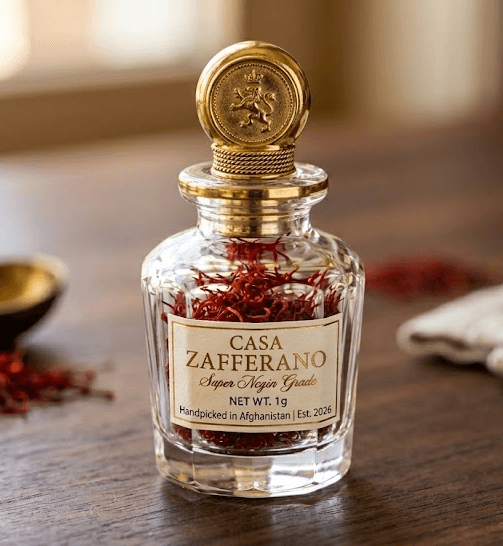
Saffron is the quiet center of the Levant and Persian hearths, an essential thread that binds the savory depth of slow-braised meats with the high-altitude brightness of regional herbs and fruits. In the classical cuisines of Iran, Iraq, Syria, and the broader Caucasus, stews—known broadly as khoresh or yakhni—are not merely quick family suppers. They are slow, meditative acts of patience, where heat transforms tough cuts of lamb or beef into tender, velvety mouthfuls. Within this slow-cooking crucible, saffron plays a dual role: it is both a brilliant golden dye that elevates the visual presentation of the broth and a complex flavor enhancer that bridges the sweet, sour, and savory profiles that characterize the region's food.
The Chemistry of Saffron and Acidic Reductions
Middle Eastern culinary philosophy relies heavily on balancing rich, fatty proteins with sharp, acidic elements like dried limes (limoo amani), pomegranate molasses, sour grapes (ghoreh), or fresh barberries. When lamb shoulder is simmered for hours, its natural fats melt into the broth, creating a rich mouthfeel. Without a counterweight, this fat can overwhelm the palate. Saffron is key to this balance. Its subtle bitter undertones, derived from the compound picrocrocin, act as a gentle astringent that cuts through the fat, while its honeyed and floral safranal esters elevate the citrusy and fruity notes of the dried limes or pomegranate.
Furthermore, the carotenoid pigments in saffron—crocin—are remarkably stable in these slow-simmered, mildly acidic environments. Unlike delicate green herbs that turn greyish-brown when cooked for long periods, saffron maintains its brilliant, warm golden-orange hue throughout the long cooking process. This visual consistency ensures that the finished stew retains a vibrant, luminous look, turning a rustic plate of slow-cooked meat into a dish fit for royal tables. Folding the bloomed saffron infusion into the stew during the final twenty minutes of simmering preserves the volatile aroma, allowing it to rise from the plate the moment it is served.
The Royal Stews of Iran
In the classic Persian kitchen, stews are treated with the utmost respect, and the presence of saffron is a non-negotiable sign of high hospitality. In a dish like Khoresh-e-Gheymeh, yellow split peas and beef are simmered with warm spices like cinnamon and turmeric, then finished with a generous pour of bloomed Super Negin saffron and topped with crispy potatoes. The saffron brings a delicate floral warmth that unites the sweet cinnamon with the savory beef. Even in herb-heavy stews like the legendary Ghormeh Sabzi, chefs often drizzle a concentrated saffron infusion over the accompanying steamed basmati rice. This creates a striking visual contrast and an aromatic transition that makes the entire meal feel cohesive, rich, and deeply satisfying.
The Slow Extraction: Saffron and Braising Dynamics
The slow-braising process inside heavy cast-iron or earthenware vessels provides an ideal thermal environment for the complete integration of saffron. Over hours of low-temperature simmering, the connective tissues of lamb or beef slowly melt into a rich gelatin, which acts as a natural emulsifying agent. This gelatin successfully encapsulates both the hydrophobic safranal oils and the hydrophilic crocin pigments. As the braising liquid slowly reduces, this saffron-gelatin emulsion coats every fiber of the meat, locking the earthy and warm honey-like flavors deep within the proteins instead of letting them evaporate, ensuring a deeply seasoned dish.
Published by Vikram Taneja
More from the Journal
Apr 09, 2026
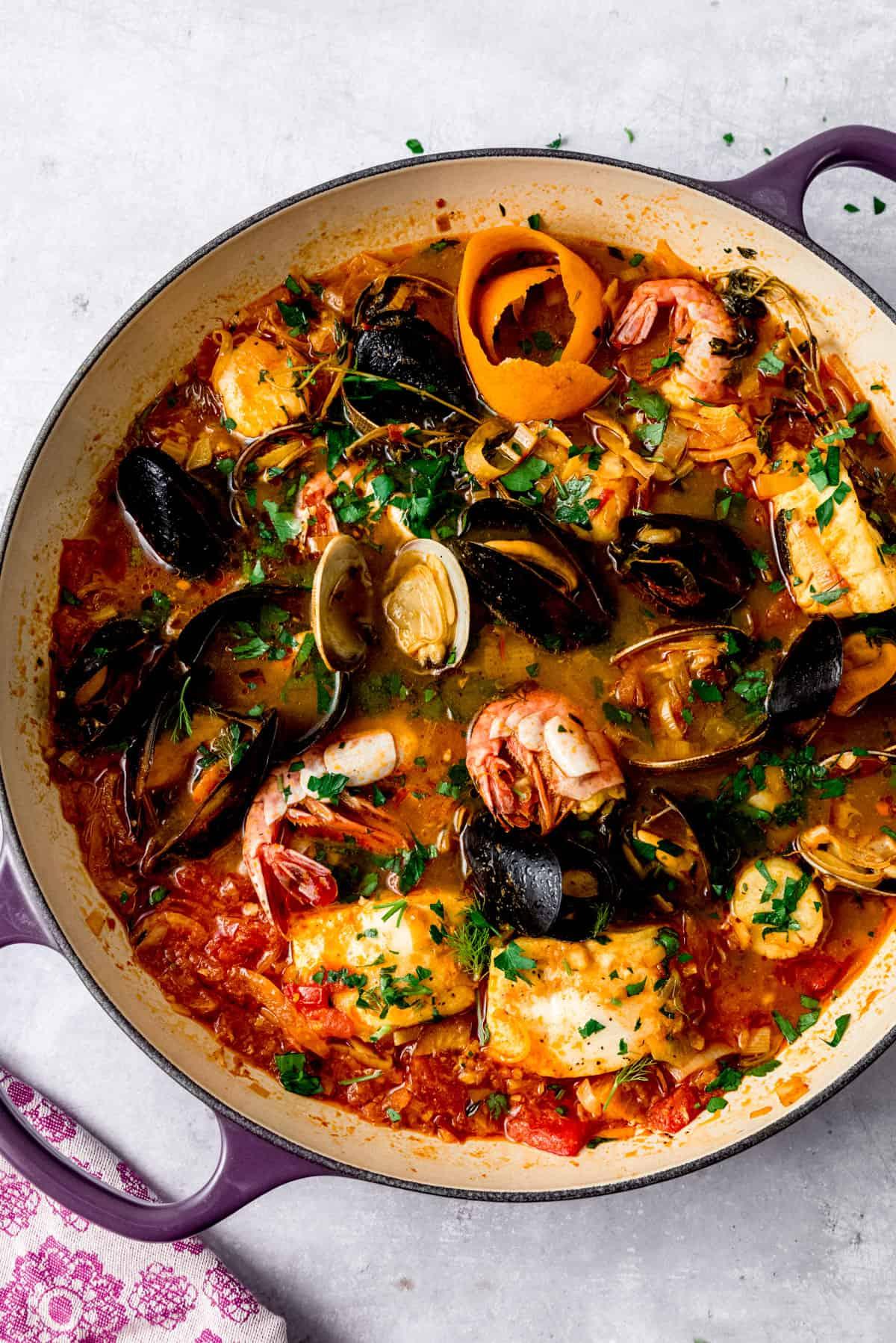
Moroccan Tagine and Saffron: The Slow-Cooked Soul of North African Cuisine
Inside the conical clay vessels of Marrakech and Fez, saffron meets preserved lemon, ginger, and slow-simmered meat to define one of the world's great cuisines.
Apr 08, 2026
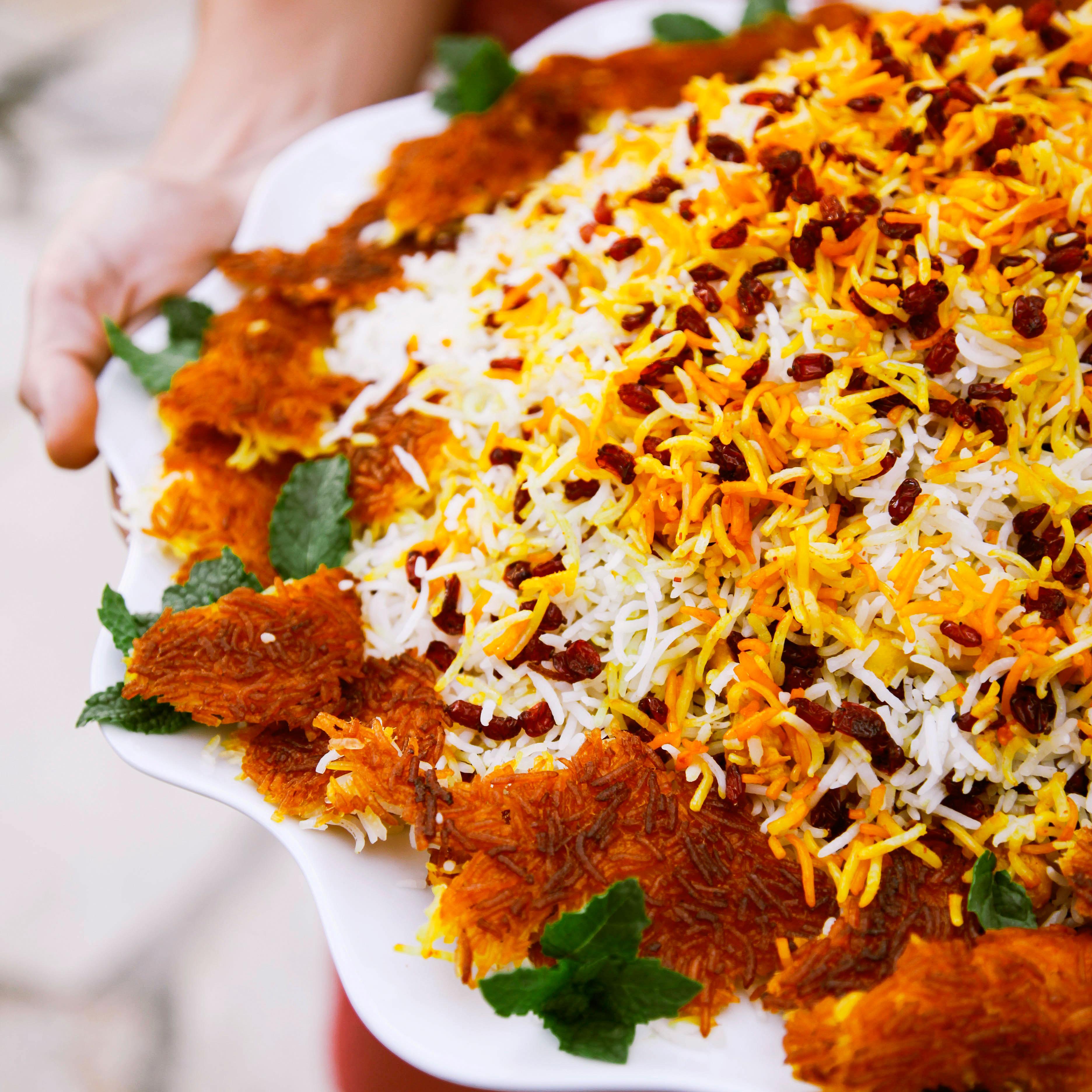
Uzbek Plov: The Saffron-Crowned Centerpiece of Central Asian Hospitality
From Samarkand to Tashkent, the cast-iron kazan and the saffron-perfumed plov define a culinary tradition that has fed Silk Road travelers for over a thousand years.