
Apr 27, 2026 · 7 min read · By Vikram Taneja
Saffron Madeleines: The Buttery French Tea Cake Reimagined in Gold
"Proust's iconic shell-shaped tea cake meets the floral warmth of A+ Super Negin saffron — a study in browned butter, citrus zest, and patient chilling."
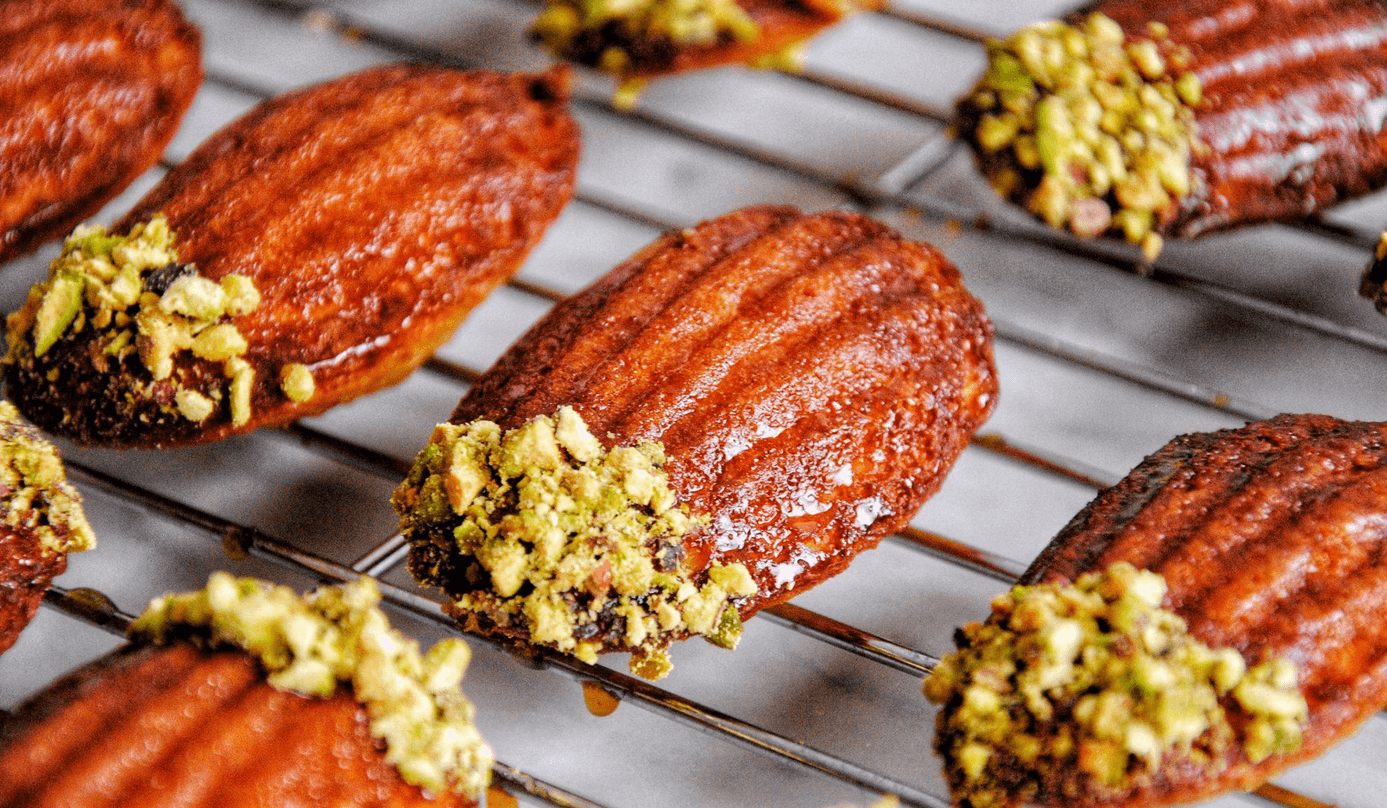
When Marcel Proust dipped a small, shell-shaped tea cake into a cup of linden tisane and felt the entire architecture of his childhood memory unfold, he was eating a madeleine. The little buttery cake from Commercy in the Lorraine region of northeastern France has since become one of the most recognized icons of French patisserie — a deceptively simple bake that, when done correctly, achieves an almost impossible combination of crisp golden edges, a tender crumb, and the signature humped 'bump' that rises during baking. Add a generous pinch of A+ Super Negin saffron to the batter and a final brush of saffron-citrus glaze, and the classic madeleine becomes something altogether new: a gold-tinted, perfumed bite of patisserie that brings the warmth of Persian fields into the heart of French baking.
The Beurre Noisette Foundation
A great madeleine begins with beurre noisette — French for 'hazelnut butter,' the gently browned butter that forms the flavor foundation of the cake. The cook melts unsalted butter in a small saucepan over medium heat and continues cooking past the point of full melt, swirling the pan as the milk solids fall to the bottom and gradually toast to a deep amber. The kitchen fills with a rich, nutty aroma that perfumes the entire batter. Once the milk solids have browned to a deep gold, the pan is removed from the heat and the warm butter is poured into a heatproof bowl. At this critical moment, ten to twelve threads of bloomed A+ Super Negin saffron are stirred into the still-warm brown butter. The fat-soluble safranal compounds bind instantly with the browned butter lipids, locking the saffron aroma into the fat where it will distribute evenly through the cake batter.
The Cold Rest: Why Chilled Batter Makes the Bump
The signature humped bump on top of a properly baked madeleine is the direct result of one crucial step: a long, cold rest of the batter. Eggs are whisked with sugar until pale and ribbon-thick, then folded with sifted flour, baking powder, lemon zest, and the saffron-brown butter. The batter is then transferred to an airtight container and refrigerated for a minimum of two hours, ideally overnight. During this rest, the baking powder hydrates fully but does not yet activate, the gluten relaxes, and the butter solidifies into firm, cold pockets throughout the batter. When the chilled batter is finally piped into a buttered madeleine pan and slid into a very hot oven (220°C / 425°F), the sudden temperature shock causes the surface to set quickly while the cold interior continues to expand, forcing the iconic central bump upward.
The Saffron-Citrus Glaze
While the madeleines are still warm from the oven, the finishing glaze is brushed across their shell-imprinted surfaces. The glaze is a simple mixture of confectioners' sugar, fresh lemon or orange juice, and a final teaspoon of concentrated bloomed saffron. As the warm cakes absorb the glaze, the saffron settles into the ridges of the shell pattern and dries to a glossy, golden lacquer that catches the light. The acid in the citrus juice also subtly shifts the visual tone of the saffron, deepening it from a warm yellow-gold to a brilliant amber. The result is a tea cake that smells of brown butter, lemon, and warm honey, with the floral, hay-like finish that only premium saffron can supply.
Pairing and Service
Saffron madeleines are best eaten warm from the oven, within hours of baking — their crisp edges soften noticeably overnight. Served alongside a cup of Earl Grey, a pot of mint tea, or a small glass of saffron-rosewater chai, they make an extraordinary afternoon pause. For a more dramatic dessert presentation, three madeleines plated alongside a small scoop of pistachio gelato and a drizzle of acacia honey transform the simple tea cake into a refined plated dessert worthy of a Michelin tasting menu. At Casa Zafferano, we recommend saffron madeleines as a perfect introduction to baking with saffron: small enough that even a modest quantity of premium A+ Super Negin saffron delivers maximum aromatic impact, and forgiving enough that the technique can be mastered in a single afternoon.
Published by Vikram Taneja
More from the Journal
Apr 09, 2026
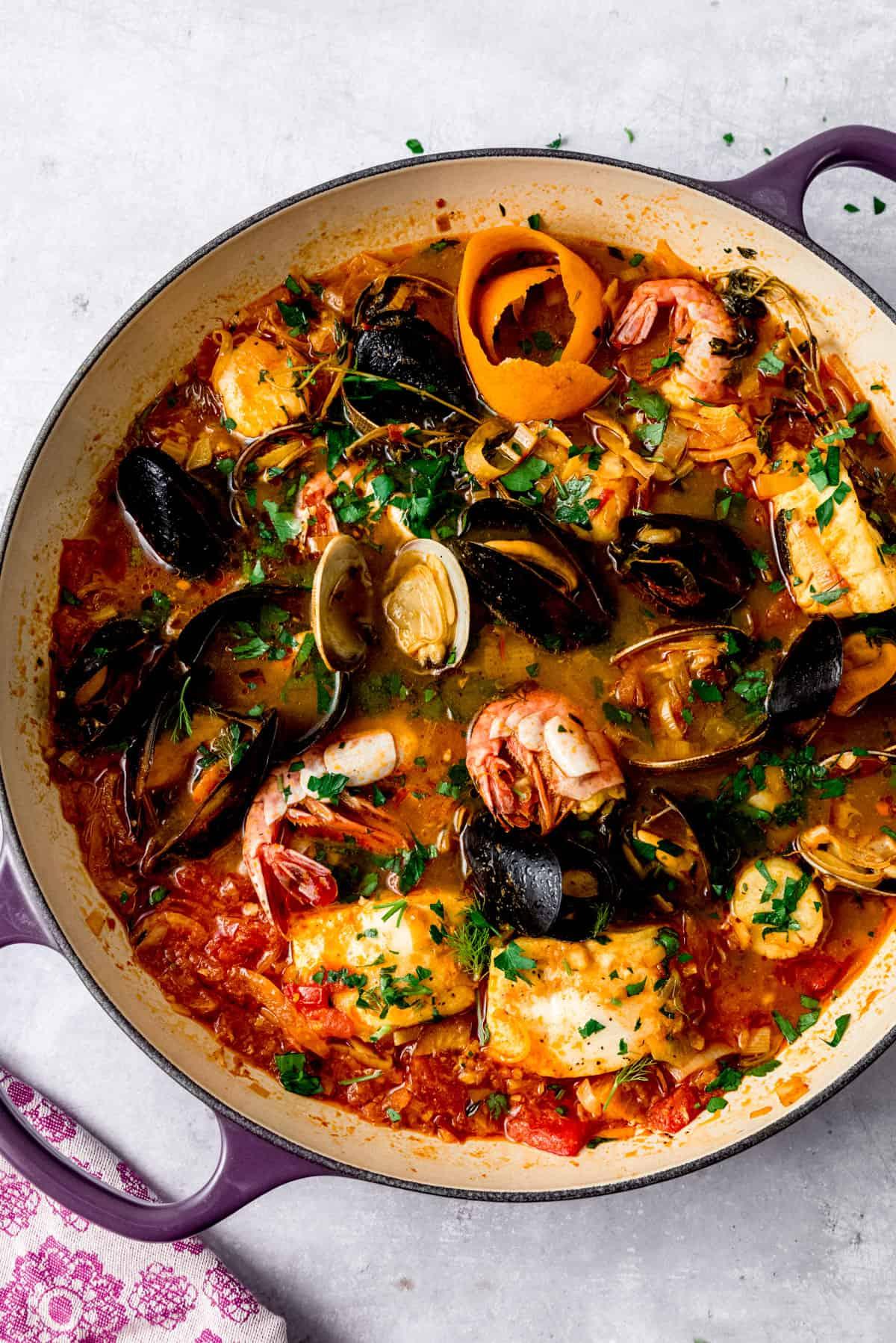
Moroccan Tagine and Saffron: The Slow-Cooked Soul of North African Cuisine
Inside the conical clay vessels of Marrakech and Fez, saffron meets preserved lemon, ginger, and slow-simmered meat to define one of the world's great cuisines.
Apr 08, 2026
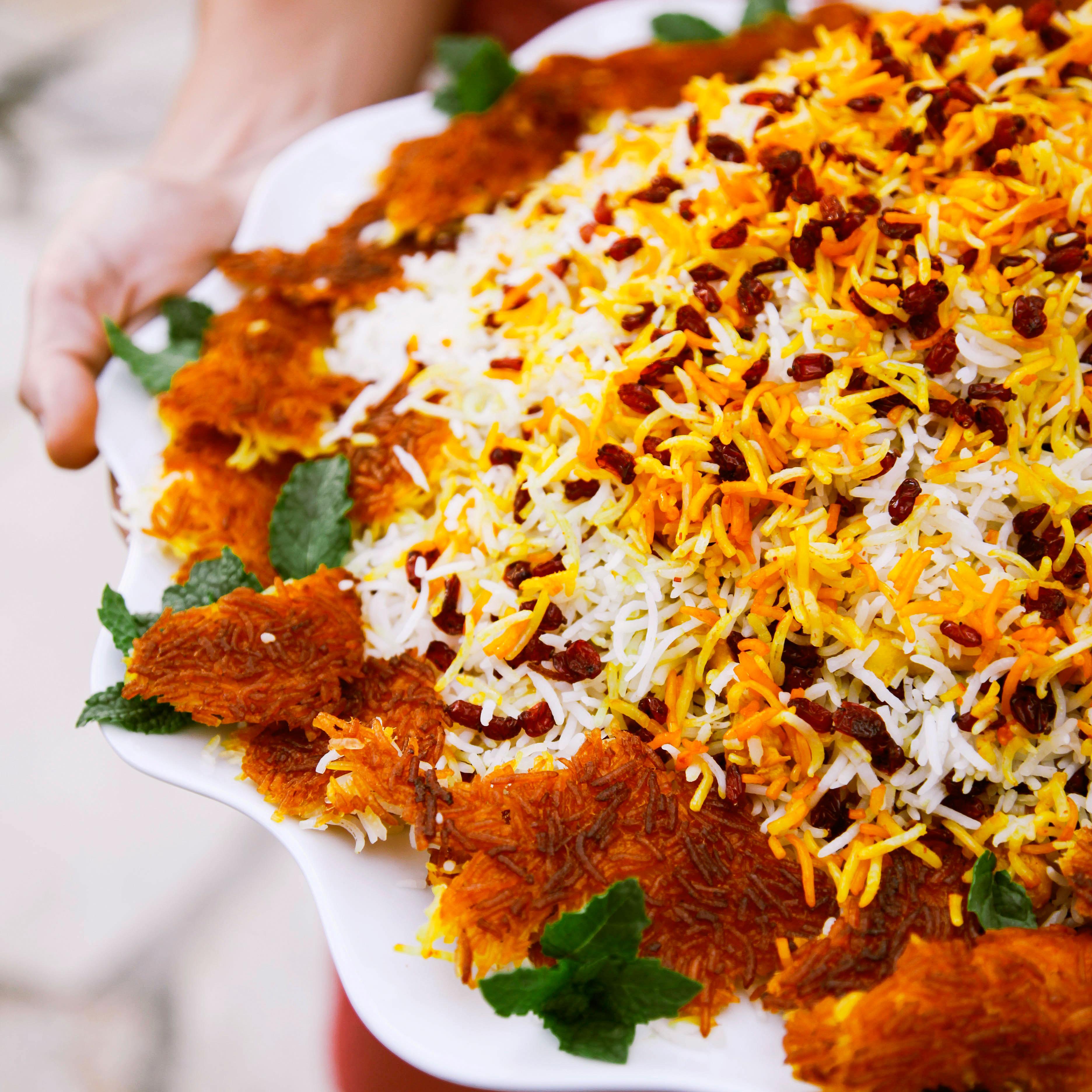
Uzbek Plov: The Saffron-Crowned Centerpiece of Central Asian Hospitality
From Samarkand to Tashkent, the cast-iron kazan and the saffron-perfumed plov define a culinary tradition that has fed Silk Road travelers for over a thousand years.