
May 03, 2026 · 8 min read · By Vikram Taneja
Baking the Sun: Saffron in the Sacred Holiday Breads of Northern Europe
"Trace the fascinating migration of saffron to the cold Baltic coasts, and the yeast-leavening chemistry behind Sweden's legendary St. Lucia buns."
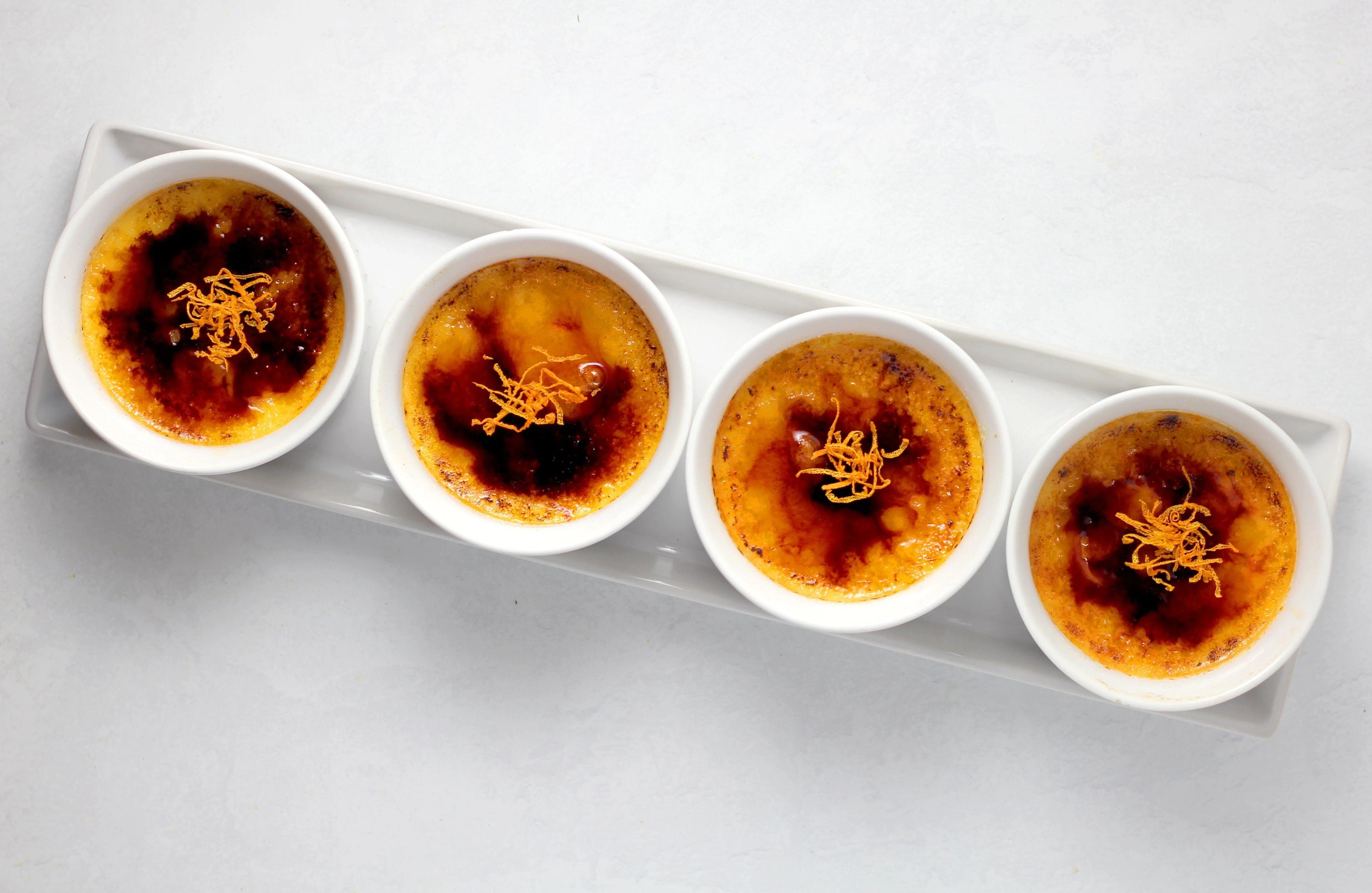
As winter approaches the Baltic coasts of Northern Europe, the days grow short, and a heavy, cold darkness settles over the landscape. In Sweden, Norway, and Finland, December brings a profound longing for light and warmth—a longing that finds expression in a beautiful holiday baking tradition. On December 13th, St. Lucia's Day, homes are filled with the warm, yeasty aroma of fresh Lussekatter—delicate, S-shaped holiday buns that are baked a brilliant, glowing golden-yellow. This golden color is achieved using a generous addition of ground saffron, representing the sun during the darkest days of the year, bringing a literal taste of sunshine to the winter table.
Saffron's Cold Migration: The Trade Routes of the North
Saffron's presence in Northern European baking is a fascinating historical puzzle. Saffron is a warm-weather crocus that thrives in dry, high-altitude climates like Persia and Western Afghanistan; it cannot survive the damp, freezing soils of Sweden or England. Its migration to the cold Baltic and Cornish coasts was driven by medieval maritime trade.
In Sweden, Hanseatic merchants traded dried fish and timber for luxury goods from Southern Europe and the Middle East, including saffron. In Cornwall, England, local tin miners traded their valuable metals with Phoenician and Mediterranean sailors who brought saffron, raisins, and exotic spices. Over the centuries, these luxury imports became deeply woven into local holiday traditions, turning a rare, expensive spice into a central component of festive holiday bakes.
The Chemistry of Saffron and Yeast Leavening
Pastry chefs steep ground saffron threads in hot milk alongside melted butter, letting it bloom for at least twenty minutes. The lipids in the butter bind to the volatile safranal aroma compounds, locking them into the liquid and preventing them from evaporating in the hot oven. When this golden liquid is mixed with the flour and yeast, the crocin spreads evenly, turning the dough a gorgeous sunflower yellow. Saffron's natural compounds also have a mild stabilizing effect on the gluten network, resulting in a tender, moist crumb that holds its shape beautifully. Baked to a gentle golden brown and decorated with sweet raisins, these holiday breads are a perfect marriage of history, chemistry, and sensory celebration, bringing warmth and light to winter gatherings.
The Ritual of Saint Lucia's Dawn
The baking and eating of Lussekatter is central to the celebration of Saint Lucia on December 13th, a holiday deeply tied to winter solstice folklore. Traditionally, the eldest daughter in the home wakes before dawn, dresses in a long white gown with a red sash, and crowns her hair with a wreath of evergreen lingonberry branches holding glowing candles. She then carries a tray of hot, freshly baked saffron buns and warm cups of spiced, winter glögg to wake the household. The bright yellow color of the buns, glowing softly in the candlelight, serves as a sensory invocation of the return of light, bringing the warm sun of the south into the heart of the northern winter.
Published by Vikram Taneja
More from the Journal

Apr 09, 2026
Moroccan Tagine and Saffron: The Slow-Cooked Soul of North African Cuisine
Inside the conical clay vessels of Marrakech and Fez, saffron meets preserved lemon, ginger, and slow-simmered meat to define one of the world's great cuisines.
Apr 08, 2026
Uzbek Plov: The Saffron-Crowned Centerpiece of Central Asian Hospitality
From Samarkand to Tashkent, the cast-iron kazan and the saffron-perfumed plov define a culinary tradition that has fed Silk Road travelers for over a thousand years.