
Apr 24, 2026 · 9 min read · By Vikram Taneja
Saffron and the Heart: Modern Cardiovascular Research on the Golden Spice
"Peer-reviewed clinical data is increasingly clear: saffron supports endothelial function, healthy blood pressure, and lipid profiles in ways few botanicals can match."
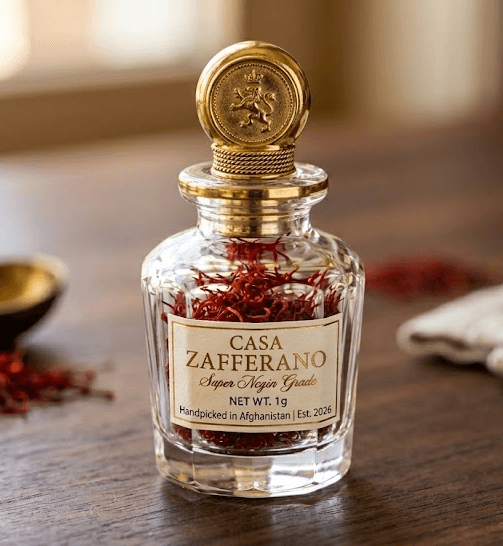
The cardiovascular system is one of the most studied biological networks in modern medicine, and over the past decade, peer-reviewed clinical research has increasingly turned its attention to a surprising botanical intervention: saffron. Long known in Persian, Mediterranean, and Ayurvedic traditions as a 'heart tonic,' saffron has emerged in contemporary clinical literature as a remarkably effective supporter of vascular health. The active carotenoids — crocin and its hydrolysis product crocetin — appear to interact with the endothelium, lipid metabolism, and blood pressure regulation in ways that are both measurable and mechanistically distinct from synthetic cardiovascular drugs. This is not folk wisdom; it is increasingly the consensus of randomized controlled trials published in respected medical journals.
Endothelial Function: The Inner Wall of Every Blood Vessel
Every blood vessel in the human body is lined with a thin layer of cells called the endothelium. This tissue is far more than a passive pipe lining — it actively regulates vascular tone, blood clotting, immune response, and the controlled passage of nutrients and oxygen into surrounding tissues. Endothelial dysfunction, in which this lining becomes inflamed and unresponsive, is now understood to be the earliest detectable stage of cardiovascular disease, preceding clinical symptoms by years or even decades. Clinical research on saffron supplementation has shown improvements in flow-mediated dilation — a standard measure of endothelial function — in subjects taking thirty milligrams of standardized saffron extract daily over twelve weeks. The mechanism is believed to involve crocin's antioxidant activity, which reduces oxidative stress in the endothelial cells and improves their nitric oxide signaling.
Blood Pressure and the Vascular Tone Response
Multiple randomized clinical trials have measured saffron's effect on blood pressure in subjects with mild to moderate hypertension. The consistent finding across studies is a modest but statistically significant reduction in both systolic and diastolic pressure, typically on the order of five to ten millimeters of mercury over an eight-to-twelve-week supplementation period. The mechanism appears to involve crocetin's role in improving endothelial nitric oxide synthase activity, which relaxes the smooth muscle in vessel walls and reduces peripheral resistance. Importantly, saffron's effect is gentle and gradual rather than acute — making it a botanical adjunct rather than a replacement for prescribed medication, but a meaningful addition to a heart-healthy lifestyle for individuals interested in food-based cardiovascular support.
Cholesterol and Lipid Profile Improvements
Lipid profile is the laboratory shorthand for the balance of cholesterol fractions and triglycerides in the bloodstream — the same numbers that appear on every routine blood panel. Several meta-analyses of saffron supplementation trials have now shown reductions in total cholesterol, LDL ('bad') cholesterol, and triglycerides, with modest increases in HDL ('good') cholesterol. The proposed mechanism involves crocin's interaction with the PPAR-gamma signaling pathway, which regulates fatty acid uptake and storage. By modulating this pathway, saffron's carotenoids appear to encourage healthier lipid metabolism, reducing the deposition of fats in vessel walls that contributes to atherosclerotic plaque formation over time.
Anti-Inflammatory and Antioxidant Mechanisms
Chronic, low-grade inflammation is now recognized as a central driver of cardiovascular disease, contributing to plaque rupture, arterial stiffening, and ultimately the cascade of events that produces heart attack and stroke. Saffron's broad antioxidant profile — including the highly bioavailable crocin, crocetin, and the smaller volatile compound safranal — appears to dampen systemic inflammation through multiple pathways. Crocin in particular has been shown to reduce levels of inflammatory cytokines such as TNF-alpha and IL-6 in clinical subjects, while increasing the activity of endogenous antioxidant enzymes including superoxide dismutase and glutathione peroxidase. Together, these mechanisms create a robust, food-grade defense against the oxidative and inflammatory drivers of long-term cardiovascular wear.
Practical Integration: How to Use Saffron for Heart Wellness
Translating clinical research into daily habit is straightforward. The standard dose used in most cardiovascular trials is thirty milligrams of standardized saffron extract per day, which corresponds roughly to twenty to thirty threads of high-grade A+ Super Negin saffron — about a single culinary pinch. The simplest delivery vehicle is a daily warm saffron tea or saffron-infused warm milk taken in the evening, both of which deliver the spice in a form that aids absorption and integrates naturally into existing routines. For individuals already managing cardiovascular conditions, saffron should be considered a complement to — not a replacement for — prescribed therapy, and should be discussed with a physician, particularly if blood pressure or anticoagulant medications are already in use. At Casa Zafferano, we ship our hand-trimmed Super Negin specifically because consistency of dose and active compound concentration matter for any wellness application.
Published by Vikram Taneja
More from the Journal
Apr 09, 2026
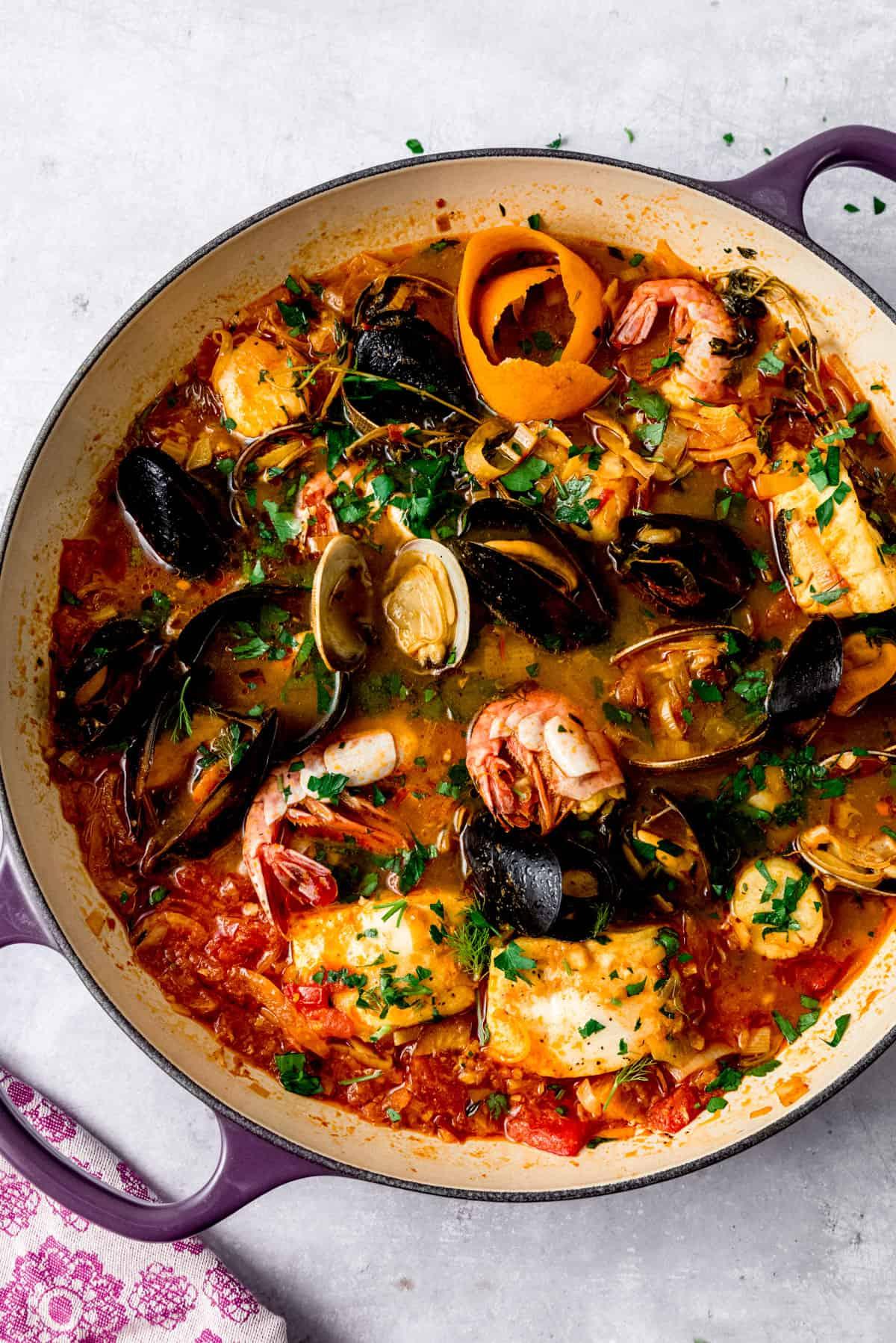
Moroccan Tagine and Saffron: The Slow-Cooked Soul of North African Cuisine
Inside the conical clay vessels of Marrakech and Fez, saffron meets preserved lemon, ginger, and slow-simmered meat to define one of the world's great cuisines.
Apr 08, 2026
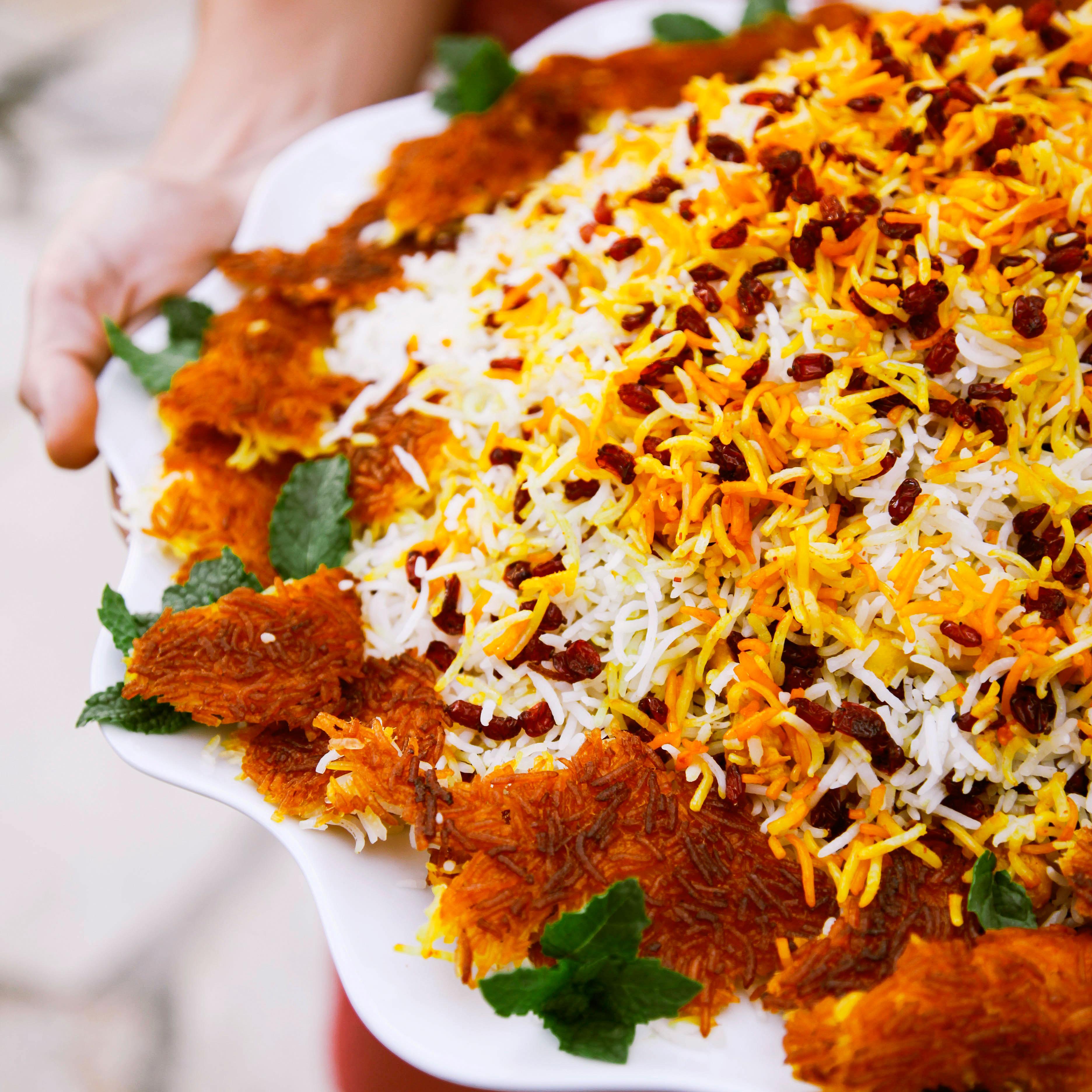
Uzbek Plov: The Saffron-Crowned Centerpiece of Central Asian Hospitality
From Samarkand to Tashkent, the cast-iron kazan and the saffron-perfumed plov define a culinary tradition that has fed Silk Road travelers for over a thousand years.