
Apr 22, 2026 · 8 min read · By Vikram Taneja
Saffron for Athletes: The Emerging Science of Recovery, Endurance, and Inflammation
"Endurance athletes, weightlifters, and high-performers are rediscovering saffron as a natural anti-inflammatory and oxidative-stress modulator with surprising clinical support."
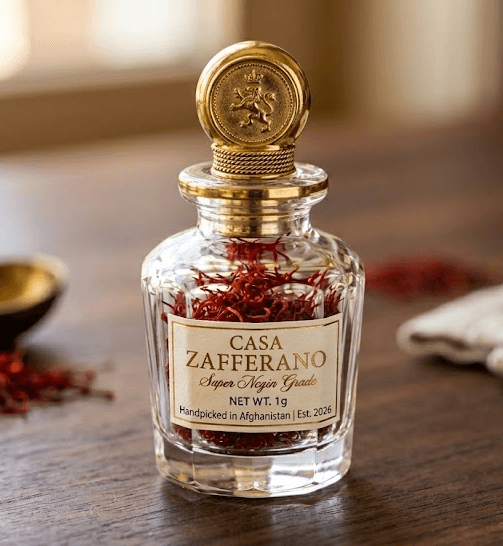
In sports nutrition circles long dominated by isolated whey protein, branched-chain amino acids, and synthetic anti-inflammatory compounds, a quietly growing body of clinical research is bringing an ancient botanical into the modern athlete's recovery toolkit: saffron. Far from a niche curiosity, saffron has now been studied in dozens of controlled trials examining its effects on muscle soreness, oxidative stress, endurance, and post-exertional inflammation. The findings are increasingly clear: saffron's high-density antioxidant profile and gentle anti-inflammatory action make it a remarkably useful complement to traditional recovery protocols — without the gastrointestinal stress or rebound inflammation that can accompany conventional NSAID use.
Oxidative Stress and the Exercise Paradox
Exercise is, biochemically, a controlled act of oxidative stress. During intense physical exertion, mitochondria in working muscle cells dramatically increase their oxygen consumption, producing a corresponding surge in reactive oxygen species (ROS) — the same free radicals that contribute to long-term cellular wear. In moderation, this oxidative stress is the very signal that drives muscle adaptation and growth. In excess, however, it overwhelms the body's antioxidant defenses, contributing to delayed-onset muscle soreness, prolonged inflammation, and impaired recovery between training sessions. Saffron's crocin and crocetin compounds are among the most bioavailable carotenoid antioxidants known, capable of crossing cell membranes and neutralizing ROS at the site where they are generated.
Reducing Delayed-Onset Muscle Soreness
Several clinical trials have measured the effect of saffron supplementation on delayed-onset muscle soreness (DOMS) — the sharp, lingering discomfort that follows novel or particularly intense workouts. In one notable controlled study, recreational athletes taking three hundred milligrams of saffron per day for ten days before a strenuous eccentric exercise protocol reported significantly lower DOMS scores at twenty-four, forty-eight, and seventy-two hours post-exercise compared to a placebo group. Blood markers of muscle damage, including creatine kinase and lactate dehydrogenase, were also reduced. The mechanism appears to be twofold: direct antioxidant activity at the muscle cell membrane, and modulation of inflammatory cytokine release at the site of micro-damage.
Endurance and the Oxygen Delivery Question
Beyond recovery, a smaller body of research has examined saffron's potential effect on endurance performance itself. Crocetin — the smaller, more lipid-soluble cousin of crocin — has been shown in animal and limited human studies to improve oxygen delivery to working tissues, potentially through effects on red blood cell membrane fluidity and capillary blood flow. While the human evidence is still emerging, early trials suggest modest improvements in time-to-exhaustion in submaximal endurance protocols. For competitive endurance athletes, this represents an area worth watching as the research base continues to mature.
Sleep, Mood, and the Recovery Triangle
Perhaps the most underappreciated benefit of saffron for athletes is its well-documented support for sleep quality and mood regulation. High-volume training places significant stress on the central nervous system, often producing the cluster of symptoms known as overtraining syndrome: disturbed sleep, irritability, motivational decline, and increased perception of effort. Saffron's gentle modulation of serotonin and dopamine pathways supports stable mood under training stress, while its established role in promoting melatonin synthesis improves the depth and consistency of sleep — the period during which the vast majority of physical recovery actually occurs. For athletes pushing the upper limits of training volume, saffron offers a rare combination: peripheral anti-inflammatory action plus central nervous system support for the sleep and mood foundations on which recovery is built.
Practical Dosing for Active Lifestyles
Most athletic-performance research has used standardized saffron extracts at doses between thirty and three hundred milligrams per day. For whole-thread saffron used in food, this corresponds to roughly twenty to thirty threads of high-grade A+ Super Negin per day — easily delivered through a daily saffron tea, a warm saffron-infused milk before bed, or a saffron-rich evening meal. Athletes timing supplementation around training will often take saffron in the evening, leveraging its sleep-supportive effects alongside its anti-inflammatory action during the overnight recovery window. As always, premium grade matters: low-grade saffron simply does not contain enough crocin and crocetin to deliver the doses used in clinical research. Casa Zafferano's hand-trimmed Super Negin saffron, with its measured crocin levels above 270 on the ISO 3632 scale, provides the active compound density that translates clinical evidence into real-world recovery benefit.
Published by Vikram Taneja
More from the Journal

Apr 09, 2026
Moroccan Tagine and Saffron: The Slow-Cooked Soul of North African Cuisine
Inside the conical clay vessels of Marrakech and Fez, saffron meets preserved lemon, ginger, and slow-simmered meat to define one of the world's great cuisines.
Apr 08, 2026
Uzbek Plov: The Saffron-Crowned Centerpiece of Central Asian Hospitality
From Samarkand to Tashkent, the cast-iron kazan and the saffron-perfumed plov define a culinary tradition that has fed Silk Road travelers for over a thousand years.