
Apr 11, 2026 · 8 min read · By Vikram Taneja
The Professional Chef's Guide to Cooking with Saffron
"Restaurant-grade saffron technique: dosing for service, bloom-batch preparation, plate finishing, and how to source for a working kitchen."
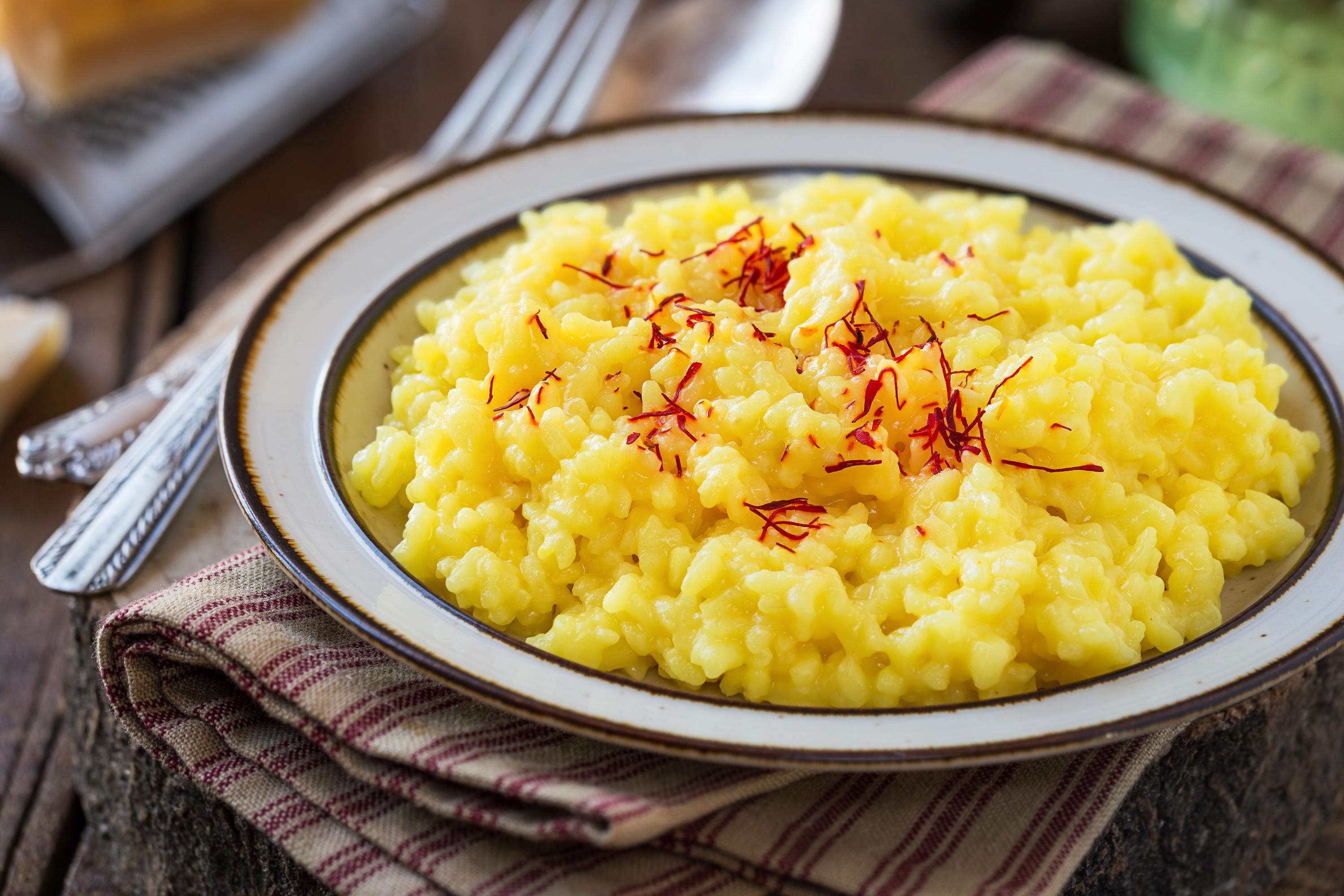
Cooking with saffron at home and cooking with saffron on a working line are two very different disciplines. The home cook bloomers their twenty threads once before dinner; the line cook needs a saffron preparation system that delivers consistent color, consistent aroma, and consistent cost across two hundred covers in a single evening service. The principles of saffron chemistry remain the same in both contexts, but the operational considerations — batch sizing, holding times, plate finishing, and supplier reliability — demand a more rigorous approach. This is a guide for professional chefs, kitchen managers, and serious home cooks who want to bring restaurant-grade saffron discipline into their cooking.
The Mise en Place: Batch Blooming for Service
In a professional kitchen, saffron is almost never bloomed à la minute for individual plates. Instead, a working batch of bloomed saffron is prepared at the start of each service: typically one to two grams of A+ Super Negin saffron ground with a small amount of coarse salt or sugar, then steeped in roughly 100 milliliters of warm water for fifteen minutes. The resulting concentrated saffron infusion is decanted into a labeled squeeze bottle and held at room temperature for the duration of service. From this single bottle, the line can plate dozens of saffron-finished dishes with precise, consistent dosing — typically a quarter-teaspoon for a finishing drizzle, or two to three teaspoons for an entree-sized risotto or paella portion.
Dosing for Cost Control
Professional kitchens cannot afford to over-pour saffron the way enthusiastic home cooks sometimes do. A well-trained chef knows that for risotto alla Milanese, the correct dose is roughly thirty milligrams of premium dried saffron per four-person serving — about thirty threads, or one substantial pinch. For a paella for six, roughly forty milligrams. For a saffron-cream sauce serving four, twenty to twenty-five milligrams. These doses are calibrated to deliver maximum sensory impact at the lowest sustainable food cost. The key insight: premium grade matters specifically because lower grades require two to three times the quantity to deliver equivalent color and aroma, eliminating any apparent cost savings while simultaneously degrading the finished plate.
Holding and Storage in the Working Kitchen
Dry saffron in the dry-goods storage of a professional kitchen requires the same protective conditions as on a home pantry shelf: airtight glass containers, away from heat sources, away from light, and away from humidity. The line should keep its working tin in a small drawer or interior shelf rather than near the hot side. Bloomed saffron held in squeeze bottles during service should be discarded at the end of each shift — never carried over to the next day. A clean working batch each service ensures consistent flavor and prevents the slow oxidative degradation that occurs once the saffron is in suspension.
Plate Finishing: The Visual Signature
Beyond simply incorporating saffron into the cooking, plate finishing is where professional kitchens often distinguish themselves. A small swipe of concentrated bloomed saffron applied with a precision squeeze bottle across the rim of a finished plate, a single intact saffron thread placed on top of a finished risotto, a saffron-infused olive oil drizzled around the base of a saffron-cream pasta — these final touches signal restaurant-grade attention to detail and reinforce the aroma of the dish at the moment of service. Some restaurants even prepare a saffron salt — a fine sea salt blended with finely ground saffron — used as a final pinch finish on saffron-driven plates.
Sourcing for the Working Kitchen
Restaurant saffron purchasing requires a different relationship with the supplier than home purchasing. Volume requirements typically run 50 to 500 grams per quarter for a saffron-driven restaurant, and consistency from batch to batch matters enormously — guests should not detect a flavor difference between this month's risotto and last month's. Look for suppliers who batch-test through independent ISO 3632 laboratories, who can guarantee consistent grade across deliveries, and who package in airtight glass appropriate for commercial volume use. At Casa Zafferano, we maintain a separate restaurant supply program for Seattle restaurants and chefs across the United States, with bulk pricing, consistent batch grading, and the same hand-trimmed Herat A+ Super Negin chemistry we provide to our retail customers.
The Chef's Bottom Line
For any professional kitchen serving saffron-driven cuisine — Italian, Spanish, Persian, Indian, or modernist — the difference between a forgettable saffron dish and an unforgettable one comes down to three operational disciplines: source premium grade, bloom in clean working batches, and dose with chemical precision. None of these is expensive or complicated to implement, but together they distinguish kitchens that genuinely respect the spice from those that treat saffron as an afterthought. In a market where diners are increasingly knowledgeable about ingredients and origins, getting saffron right is one of the highest-leverage culinary investments a working chef can make.
Published by Vikram Taneja
More from the Journal
Apr 09, 2026
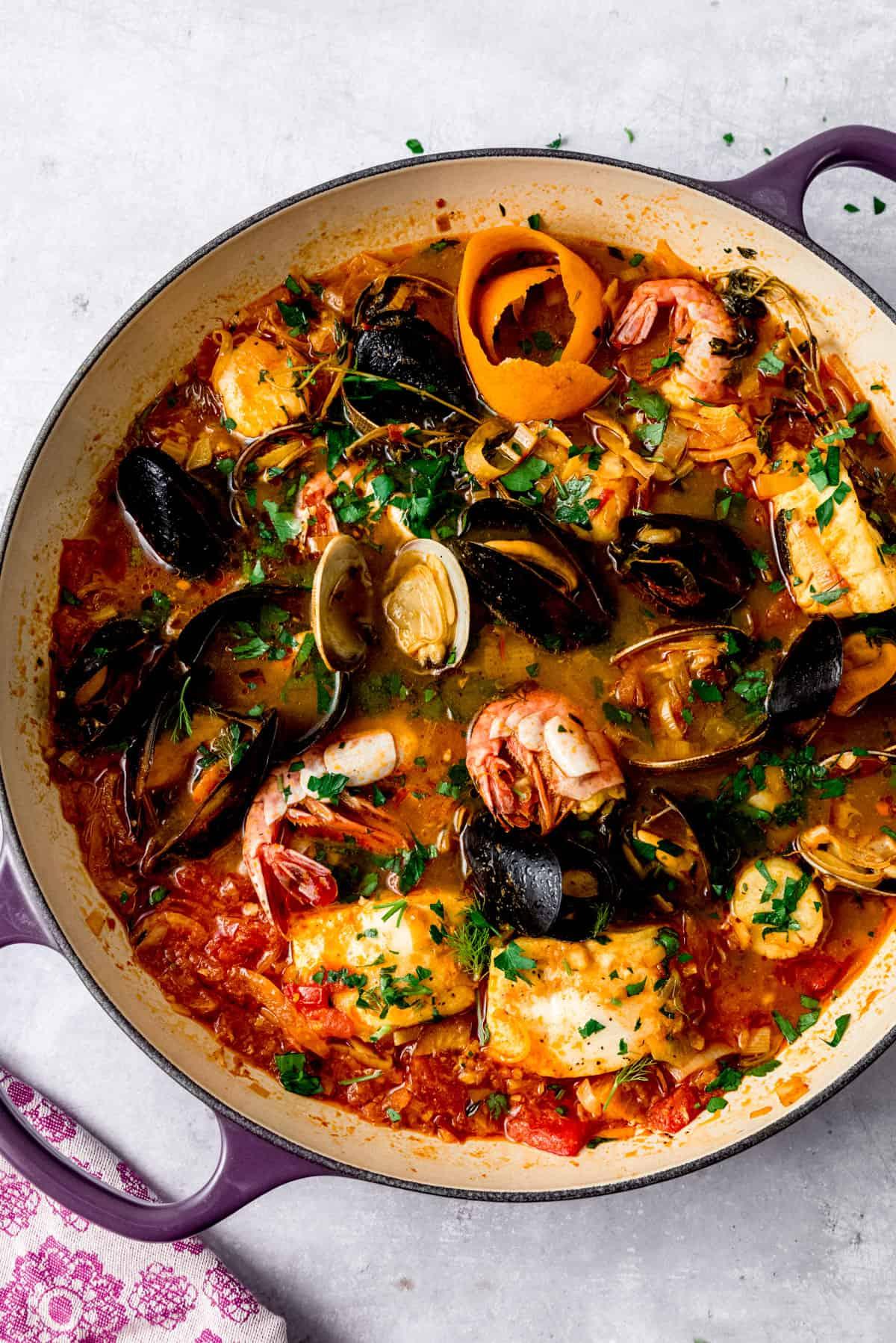
Moroccan Tagine and Saffron: The Slow-Cooked Soul of North African Cuisine
Inside the conical clay vessels of Marrakech and Fez, saffron meets preserved lemon, ginger, and slow-simmered meat to define one of the world's great cuisines.
Apr 08, 2026
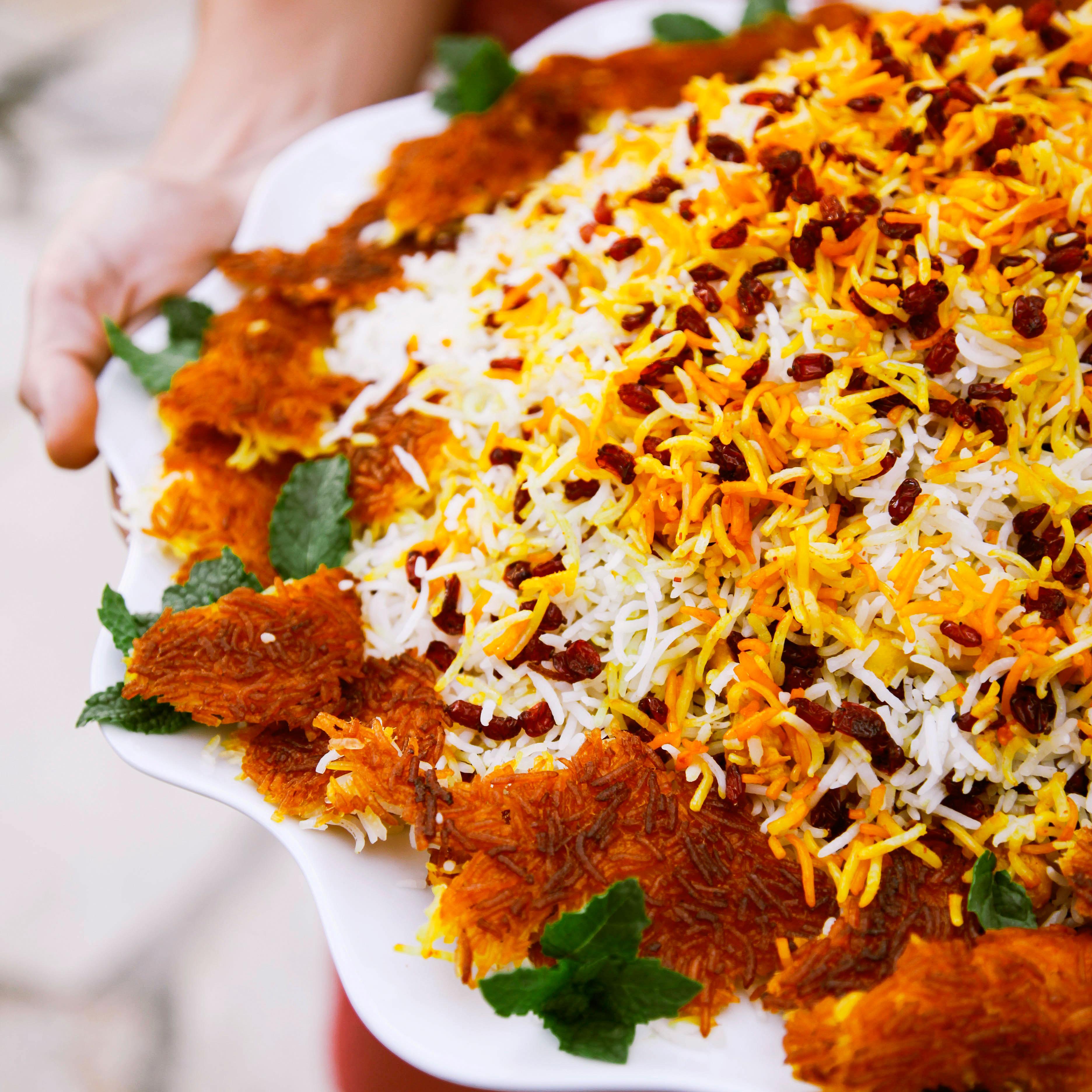
Uzbek Plov: The Saffron-Crowned Centerpiece of Central Asian Hospitality
From Samarkand to Tashkent, the cast-iron kazan and the saffron-perfumed plov define a culinary tradition that has fed Silk Road travelers for over a thousand years.