
May 17, 2026 · 8 min read · By Shaya Arya
The Golden Crust: The Physics and Culture of Persian Tahdig
"Unpack the thermal mechanics and deep cultural significance behind creating the perfect, shatteringly crisp saffron rice crust."
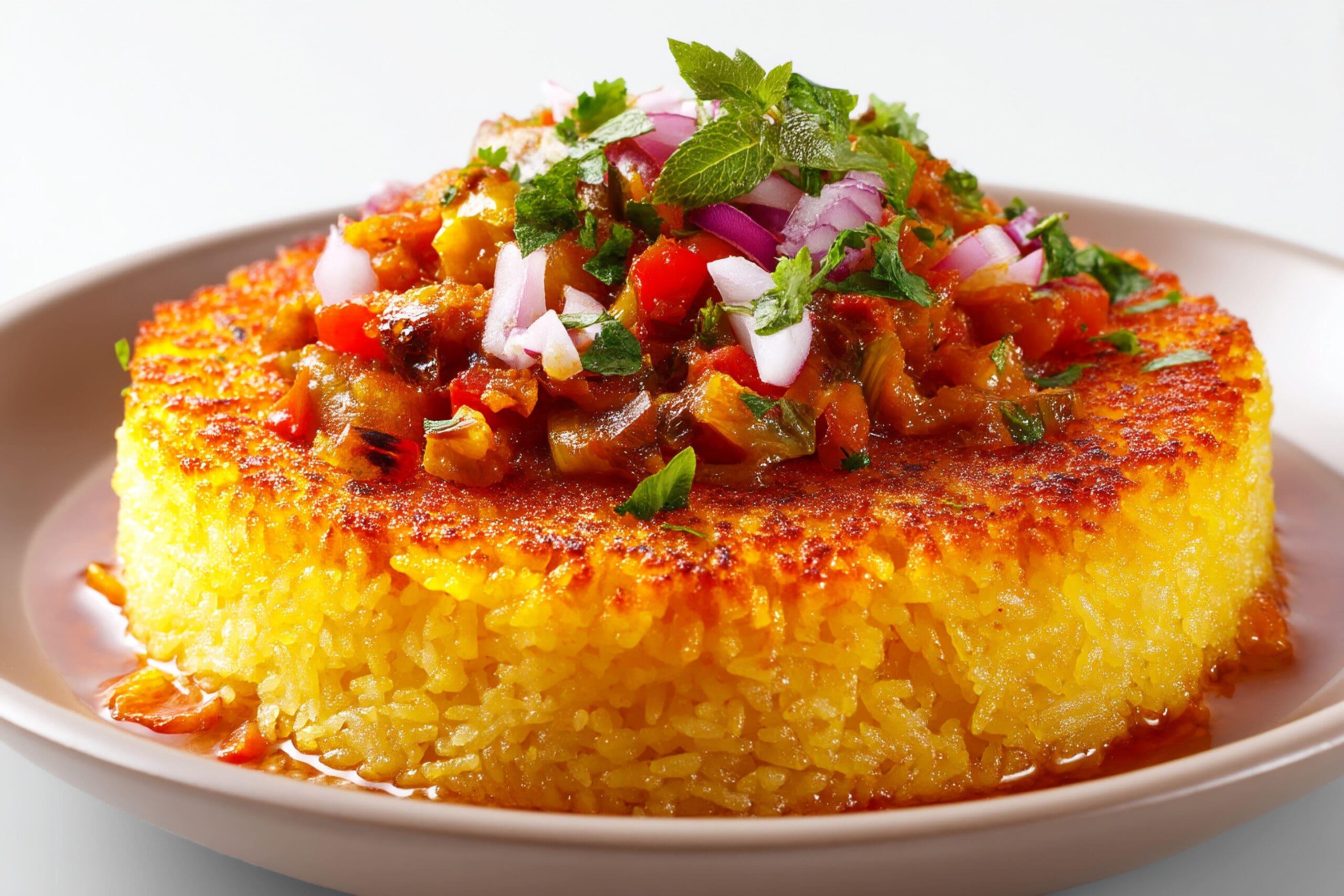
In the lexicon of Persian hospitality, there is no greater prize than the tahdig—the crispy, caramelized golden disk formed at the very bottom of the rice pot. To the uninitiated, tahdig might look like a happy culinary accident, a simple layer of overcooked rice. To those who grew up around Persian stoves, however, it is a highly calculated ritual, a beautiful collision of precise thermal physics and ancestral food culture that demands the best saffron in the house. Creating a perfect tahdig is a test of patience, heat control, and respect for the ingredients.
The Starch, the Fat, and the Flame
The creation of a perfect tahdig relies on managing moisture and heat at the base of the pot. After parboiling high-quality, long-grain basmati rice to release surface starch, the rice is drained. At the bottom of a heavy-bottomed pot, a generous pool of fat—usually a mixture of melted butter and oil—is combined with a splash of water and a vibrant infusion of bloomed saffron. The parboiled rice is then built back into the pot in a pyramid shape, allowing steam to rise and escape, while the bottom layer of rice grains is submerged in the frying medium.
This is where chemistry takes over. The starch molecules in the bottom layer absorb the hot fat and water, swelling and gelatinizing. As the water slowly evaporates, the temperature at the base rises above the boiling point of water, initiating the Maillard reaction and caramelization of the starches. Grains of basmati fuse together, forming a uniform, shatteringly crisp crust. The addition of saffron is critical here; its natural carotenoids not only dye the grains a magnificent marigold yellow but its active chemical components react with the heat to release a complex honey-like aroma that permeates the entire crust. If the heat is too high, the delicate saffron will scorch and turn bitter; if too low, the rice will absorb the fat without crisping, resulting in a soggy bottom.
Cultural Sovereignty at the Dinner Table
Tahdig is far more than a texture; it is the ultimate currency of affection in a Persian household. When a meal is served, the host flips the pot onto a flat platter, revealing the unbroken, glowing disk. A collective breath is held, and the disk is cracked into individual pieces. Offering the largest, most golden piece of tahdig to a guest is the highest sign of respect and warmth. It is a shared treasure, bringing family and friends together over the universal language of crispy, saffron-perfumed gold. Every household has its preferred variation—some line the bottom with thinly sliced potatoes, others with flatbread like lavash, but the presence of saffron remains the non-negotiable signature of quality.
Technique: The Damp Cloth and the Steam Wrap
Achieving the legendary crunch requires a secondary physical mechanism: the steam-seal. Experienced Persian home cooks wrap the pot's lid in a clean damask cloth (damkoni) before securing it. The cloth absorbs rising water vapor, preventing condensation from dripping back down onto the crisping rice. Without this barrier, the escaping moisture would re-hydrate the top layer of the crust, ruining the shatteringly crisp structural integrity. As the steam is trapped, a gentle pressure builds, driving the hot fat deep into the bottom rice grains while the saffron infusion concentrates, creating an intense, aromatic finish that defines high culinary skill.
Published by Shaya Arya
More from the Journal
Apr 09, 2026
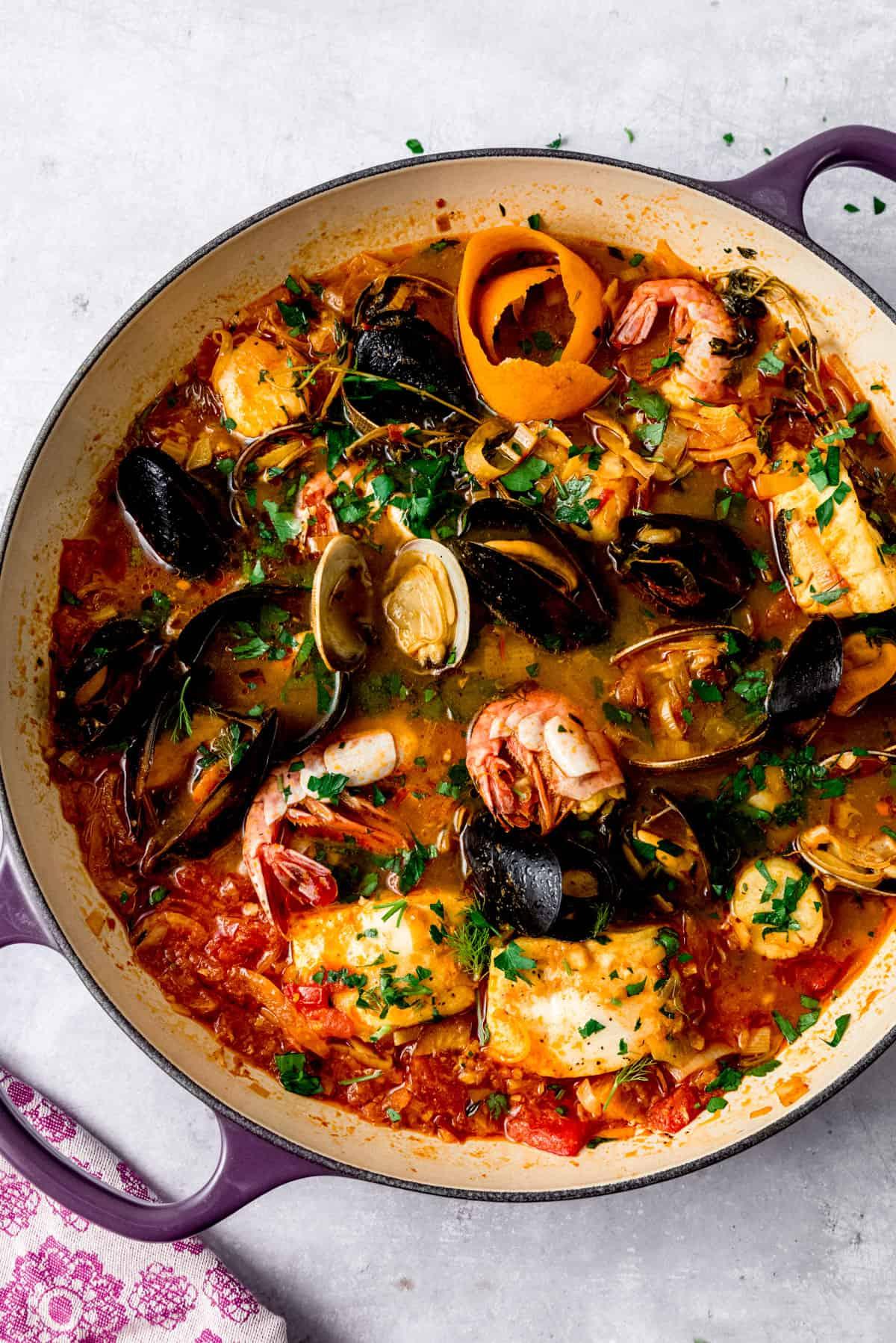
Moroccan Tagine and Saffron: The Slow-Cooked Soul of North African Cuisine
Inside the conical clay vessels of Marrakech and Fez, saffron meets preserved lemon, ginger, and slow-simmered meat to define one of the world's great cuisines.
Apr 08, 2026
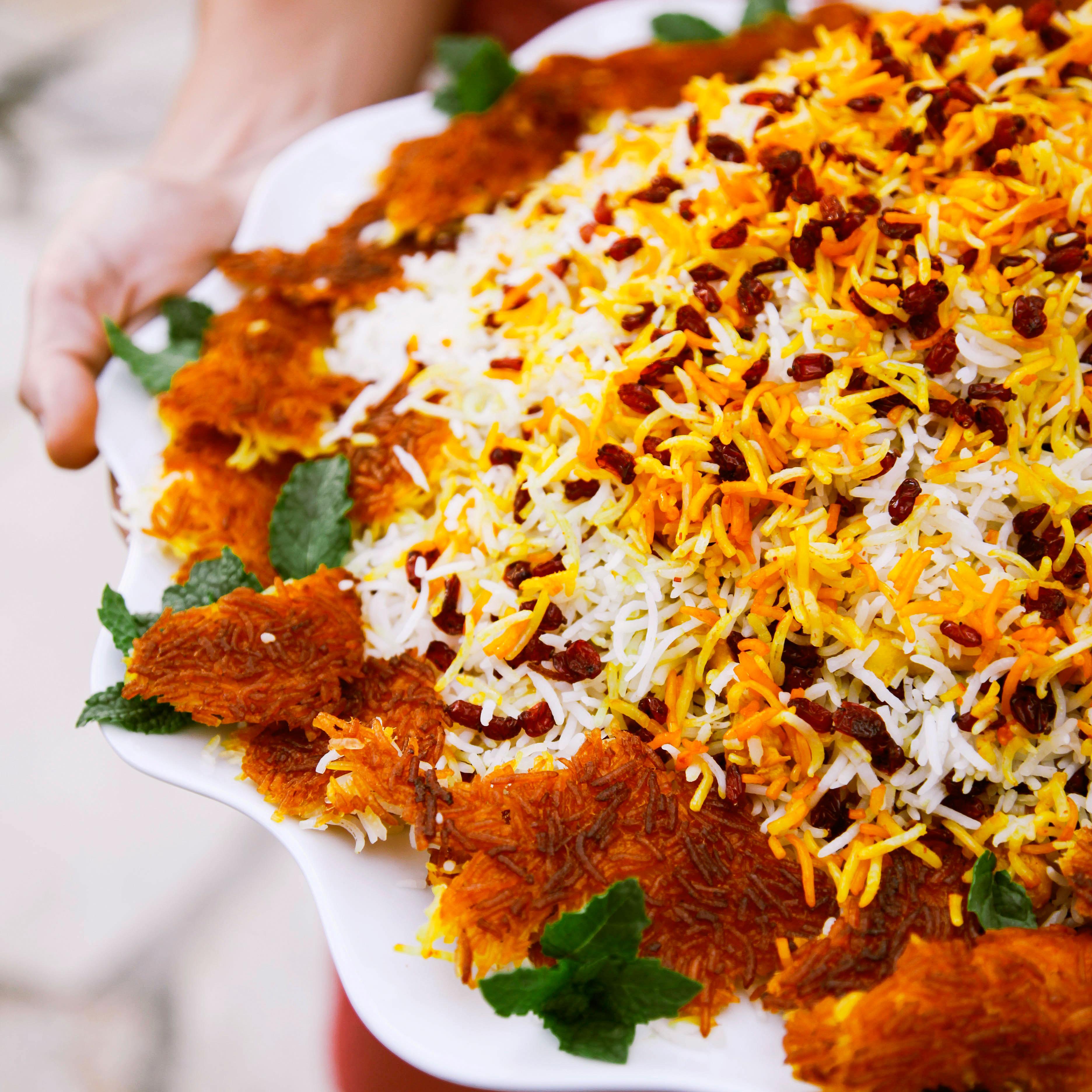
Uzbek Plov: The Saffron-Crowned Centerpiece of Central Asian Hospitality
From Samarkand to Tashkent, the cast-iron kazan and the saffron-perfumed plov define a culinary tradition that has fed Silk Road travelers for over a thousand years.