
May 06, 2026 · 9 min read · By Shaya Arya
The Saffron Tapestry: How the Moors Transformed Spanish Gastronomy and Paella
"Trace the historical migration of the saffron crocus to Andalusian soil and the culinary physics behind Spain's legendary Paella Valenciana."
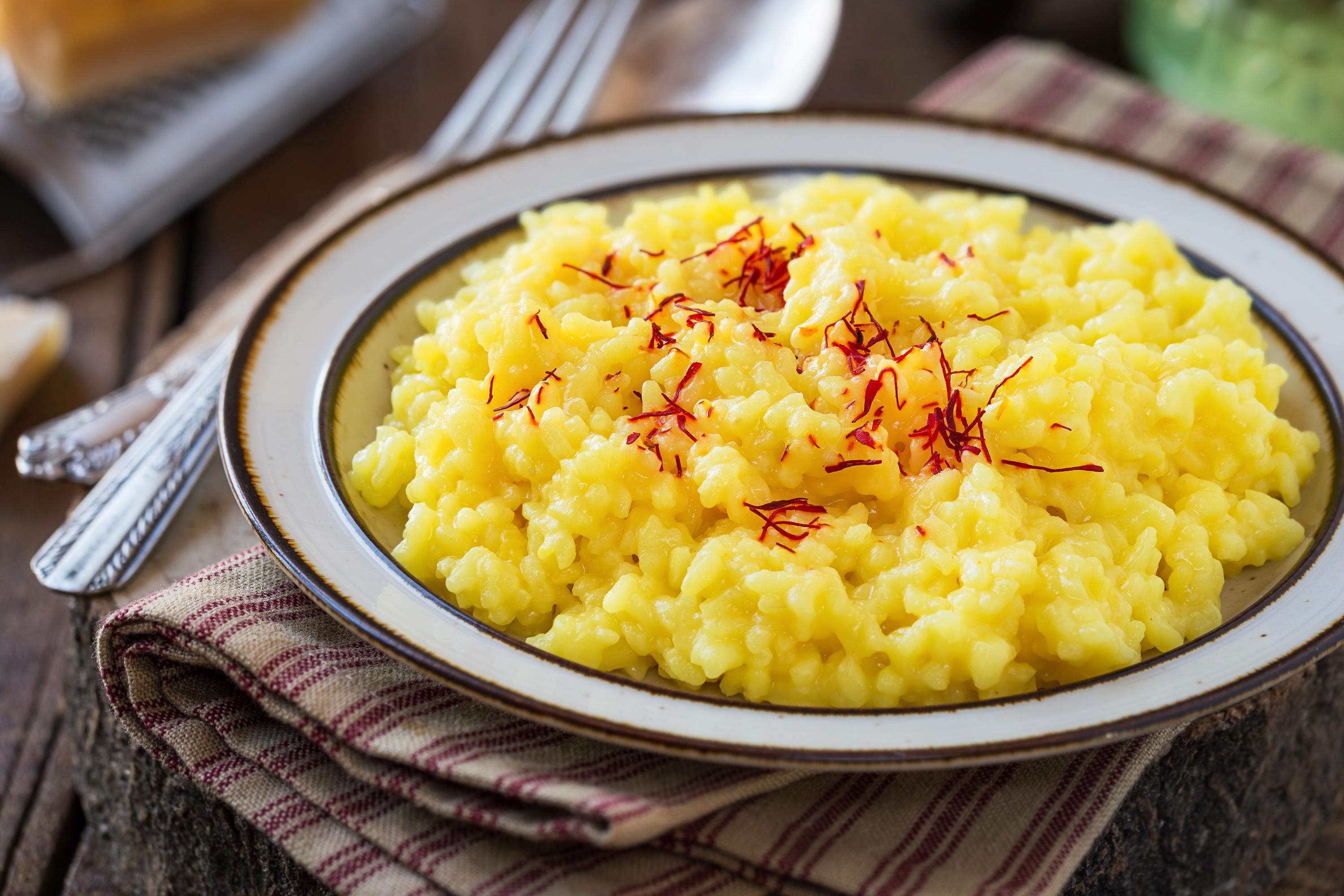
To look at a bubbling pan of Paella Valenciana is to gaze upon a rich historical tapestry that stretches across continents and centuries. The rice glows a brilliant sunset yellow; the steam carries the scent of olive oil, rosemary, roasted rabbit, and the unmistakable, deep aroma of hot saffron. Paella is celebrated today as the ultimate symbol of Spanish culinary identity. Yet, the ingredients and techniques that define this legendary dish are not native to the Iberian Peninsula. They are the direct legacy of the Islamic agriculturalists—commonly referred to as the Moors—who crossed from North Africa in the eighth century, transforming the dry landscape of Southern Spain into a lush, fertile garden.
The Moorish Green Revolution in Andalusia
Before the arrival of the Moors, the agriculture of the Iberian Peninsula was largely limited to traditional Roman crops: olives, grapes, and wheat. The Moors introduced sophisticated irrigation systems, including waterwheels (noria) and complex canal networks (acequias), that allowed them to cultivate crops that demanded constant, controlled moisture. Among these new crops were rice and the delicate Crocus sativus bulb. The sun-drenched, well-drained soils of Castilla-La Mancha and the marshy wetlands of Valencia proved to be the perfect environment for these new crops, laying the foundation for Spain's most famous culinary traditions.
Saffron cultivation took off in the La Mancha region, where the hot, dry summers and cold winters mirrored the high-altitude plateaus of Persia and Central Asia. The Moors prized saffron not only as a luxury spice for their royal tables but as a valuable dye for their textile industries and a vital component in their medicinal tonic blends. Spanish cooks quickly adopted the spice, recognizing its unique ability to perfume rice and grains, transforming simple starch into a magnificent, aromatic centerpiece.
The Starch and Saffron Chemistry of Paella
The creation of a perfect paella relies on a specific starch-and-heat dynamic. Authentic Valencian paella uses short-grain rice, like Bomba or Senia, which is highly absorbent and holds its structure under heat. Unlike Italian risotto, which is stirred constantly to release starch and create a creamy sauce, paella rice is never stirred once it is laid in the pan. The goal is to allow the rice to simmer quietly in a rich, saffron-scented broth, absorbing the liquid until the bottom layer forms a crispy, caramelized crust known as socarrat.
Saffron is the chemical heart of this broth. Its water-soluble crocin pigments dissolve into the liquid, coloring every single grain of rice a gorgeous marigold yellow. As the broth reduces, the fat-soluble aroma compounds bind to the olive oil and natural fats released by the rabbit, chicken, or seafood in the pan. The addition of rosemary and sweet paprika provides a woody, smoky contrast that balances the sweet, hay-like notes of the saffron. The result is a highly complex, cohesive dish where every grain of rice is saturated with flavor, connecting modern Spain directly to its medieval Moorish past.
The Socarrat: The Chemistry of the Perfect Crust
The defining hallmark of an authentic paella is the *socarrat*—the prized, deeply caramelized, and crispy bottom layer of rice. This culinary phenomenon represents a masterful interplay of starch retrogradation, the Maillard reaction, and thermal caramelization. As the liquid completely evaporates and the rice begins to fry in the saffron-infused olive oil, the concentrated heat triggers chemical reactions between the starches and proteins. Saffron's fat-soluble compounds, bound tightly to the oils, undergo a final heat activation, releasing intensive nutty and warm woodsy notes that toast into the crisp rice, resulting in a rich and crunch-filled foundation that holds the spirit of Spanish culinary history.
Published by Shaya Arya
More from the Journal
Apr 09, 2026
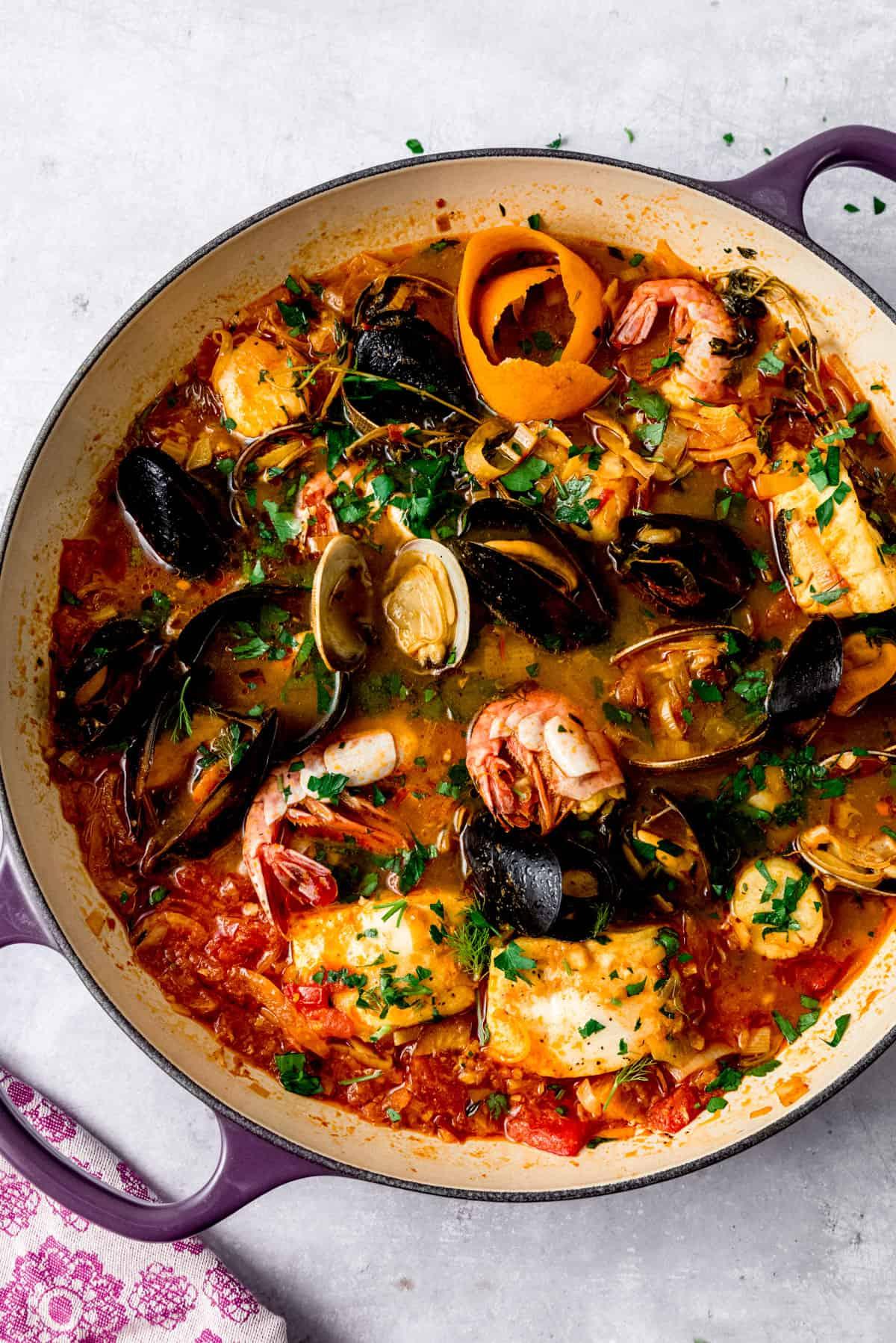
Moroccan Tagine and Saffron: The Slow-Cooked Soul of North African Cuisine
Inside the conical clay vessels of Marrakech and Fez, saffron meets preserved lemon, ginger, and slow-simmered meat to define one of the world's great cuisines.
Apr 08, 2026
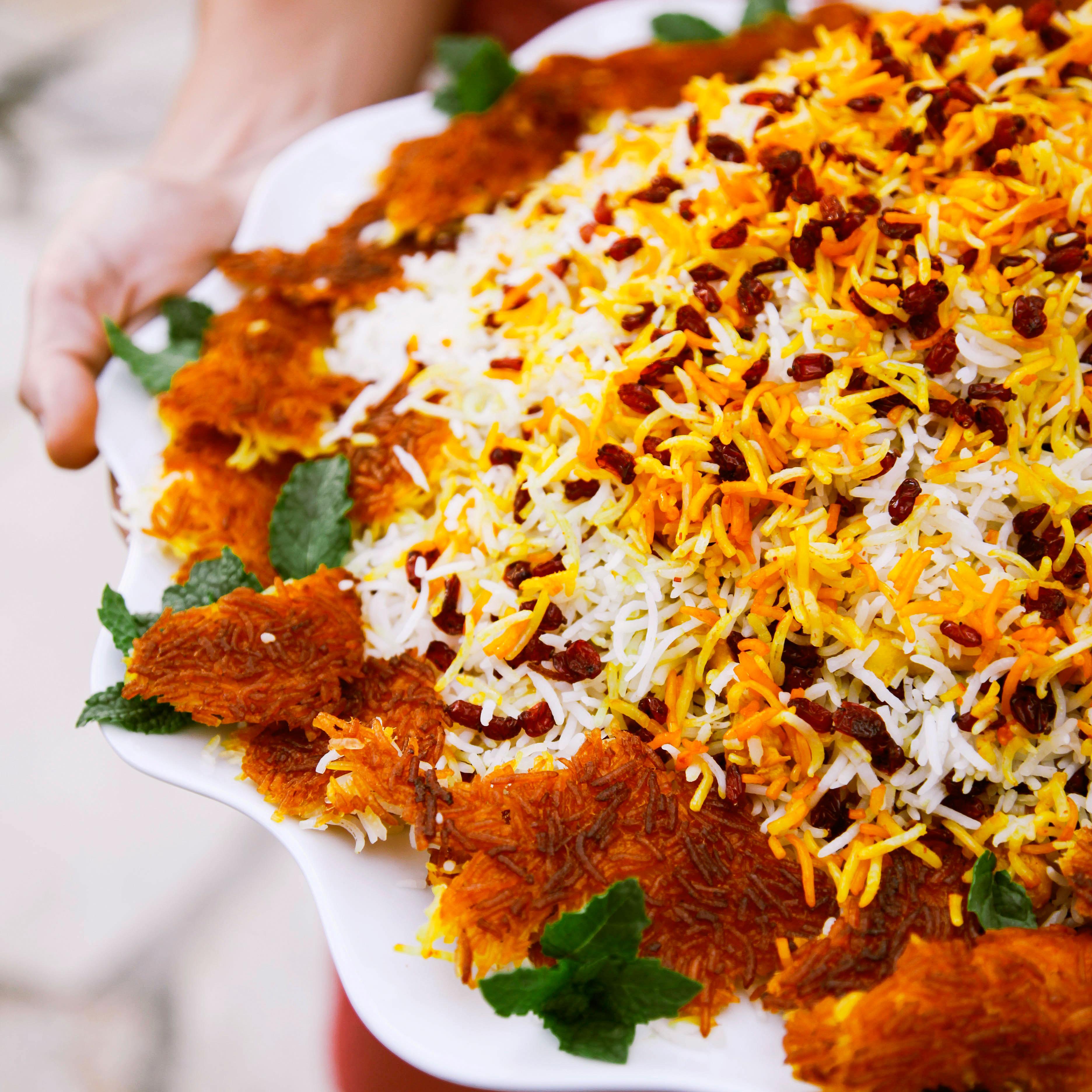
Uzbek Plov: The Saffron-Crowned Centerpiece of Central Asian Hospitality
From Samarkand to Tashkent, the cast-iron kazan and the saffron-perfumed plov define a culinary tradition that has fed Silk Road travelers for over a thousand years.