
May 11, 2026 · 7 min read · By Vikram Taneja
Crystalline Cold: Kesar Pista Kulfi and the Slow-Reduction Desserts of India
"Understand the caramelization chemistry and deep golden colors behind traditional Indian slow-reduced frozen milk treats."
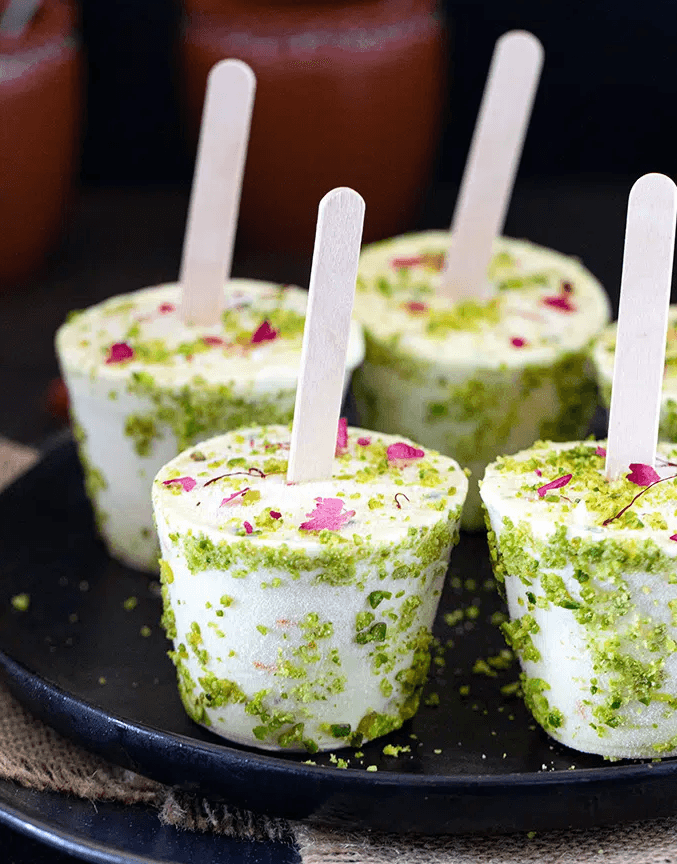
To compare traditional Indian kulfi to Western ice cream is to misunderstand the chemistry of frozen dairy. While Western ice cream relies on whipping air and egg yolks into a cold custard to create fluffiness, kulfi is dense, velvety, and entirely unwhipped. Born in the royal kitchens of the Mughal Empire, kulfi is made by slowly reducing whole milk over low flames for hours, creating a caramelized dairy base that serves as the ultimate showcase for saffron and pistachios. This ancient dessert represents the peak of patience in the sweet kitchen.
Caramelizing the Lactose
The secret to kulfi's rich flavor lies in the slow reduction process known as *rabri*. As whole milk simmers in a wide, heavy-bottomed pan, the water slowly evaporates. The natural sugars in the milk (lactose) undergo thermal caramelization, while the dairy proteins undergo the Maillard reaction. This transforms the thin milk into a thick, nutty, caramelized cream, concentrating the milk fats and solids.
Once the milk has reduced to one-third of its original volume, it is taken off the flame. A generous pinch of ground saffron is stirred into the hot, thick cream. Because the water content is low and the concentration of fat is high, the saffron's crocin pigments dye the caramelized cream a deep, glowing sunflower gold, while the safranal aroma compounds are captured by the dairy fats. Crushed green pistachios are folded in to add a bright green color and a satisfying, nutty crunch, creating a beautiful visual contrast against the golden cream.
The Frost and the Tin
The saffron cream is poured into conical metal molds, sealed, and submerged in a mixture of ice and salt to freeze rapidly. This quick freezing prevents the formation of large ice crystals, resulting in a dense, frozen dessert that melts slowly on the tongue. Because there is no incorporated air, kulfi has a satisfying chew and a rich, concentrated dairy flavor. Served on a plate, garnished with extra saffron threads and chopped pistachios, Kesar Pista Kulfi is a timeless celebration of patience and culinary chemistry, offering a cool, golden refuge from the summer heat.
The Legacy of the Mughal Ice Houses
During the height of the Mughal Empire in the sixteenth century, the production of kulfi was an extraordinary feat of logistics. Royal builders constructed massive ice houses (*yakchal*) in the foothills of the Himalayas, where winter ice was preserved under thick layers of straw and clay. To freeze the rich, saffron-scented rabri cream, workers transported glacial ice down the rivers to Delhi and Agra. The ice was crushed, mixed with saltpetre (which lowers the freezing point of water well below 0°C), and packed around conical metal molds containing the sweet cream. This rapid, high-pressure freezing method locked the dense, caramelized saffron fat into place, creating a royal treat that brought mountain cold to the summer plains.
Published by Vikram Taneja
More from the Journal

Apr 09, 2026
Moroccan Tagine and Saffron: The Slow-Cooked Soul of North African Cuisine
Inside the conical clay vessels of Marrakech and Fez, saffron meets preserved lemon, ginger, and slow-simmered meat to define one of the world's great cuisines.
Apr 08, 2026
Uzbek Plov: The Saffron-Crowned Centerpiece of Central Asian Hospitality
From Samarkand to Tashkent, the cast-iron kazan and the saffron-perfumed plov define a culinary tradition that has fed Silk Road travelers for over a thousand years.