May 19, 2026 · 9 min read · By Shaya Arya
From Dawn in Herat to Airtight Glass in Seattle: The Authentic Saffron Journey
"Trace the delicate journey of our premium saffron: harvested by hand in high-altitude Afghan valleys and cellared in protective glass in Seattle."
The path of high-grade saffron is one of extreme devotion, strict standards, and centuries-old agricultural expertise. At Casa Zafferano, we established our company to create a transparent, direct bridge between the legendary saffron fields of Herat, Afghanistan, and culinary kitchens throughout Seattle and the United States. Here is the true story of how our A+ Super Negin saffron travels from farm to tin.
The Perfect Terroir: Western Afghanistan
To understand why our saffron ranks among the finest in the world, one must start with the land. The Herat province sits at a high-altitude plateau in western Afghanistan. This geographic position provides dry, hot summers, cold winters, and mineral-dense soil irrigated by glacial mountain runoff. Saffron is an incredibly resilient plant, but it demands specific environmental stresses to produce its complex chemistry. The harsh, arid climate of Herat forces the Crocus sativus bulbs to fight for survival, concentrating their internal resources.
This struggle is exactly what concentrates their chemistry, producing stigmas of unparalleled color, taste, and aroma. Saffron grown in these conditions exhibits a deeper crimson color and a more pungent aroma than crops cultivated in humid, temperate climates. The rich mineral deposits in the Afghan soil, combined with the lack of industrial pollution, create a pristine terroir that yields saffron with some of the highest measured levels of crocin in the global spice market.
Harvesting at the Crack of Dawn
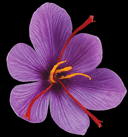
The harvest window for saffron is incredibly short—just two to three weeks each autumn. Timing is everything. The crocus flowers must be harvested by hand at the crack of dawn, before the morning sun opens the purple petals. If the sun warms the blossom, the delicate red stigmas inside begin to wilt, losing their volatile essential oils to the air. Tens of local farming families walk the rows under cold, starlit skies, picking the closed blossoms individually with practiced care.
This dawn harvest is grueling, requiring thousands of manual bends to gather the delicate purple flowers before they are damaged by the heat or wind. The gathered blossoms are carefully collected in wicker baskets and immediately transported to local processing facilities, where the intricate work of extraction must begin on the very same day to prevent spoilage and lock in the spice's fresh flavor profile.
The Art of the Trim: Creating A+ Super Negin
Once the blossoms are collected, the intense work of extraction begins. Skilled hands carefully open each purple flower and extract the three crimson stigmas. In standard commercial saffron production, the stigmas are often pulled out along with the pale yellow style at the base to artificially inflate the weight, which ultimately dilutes the flavor and coloring potential of the spice.
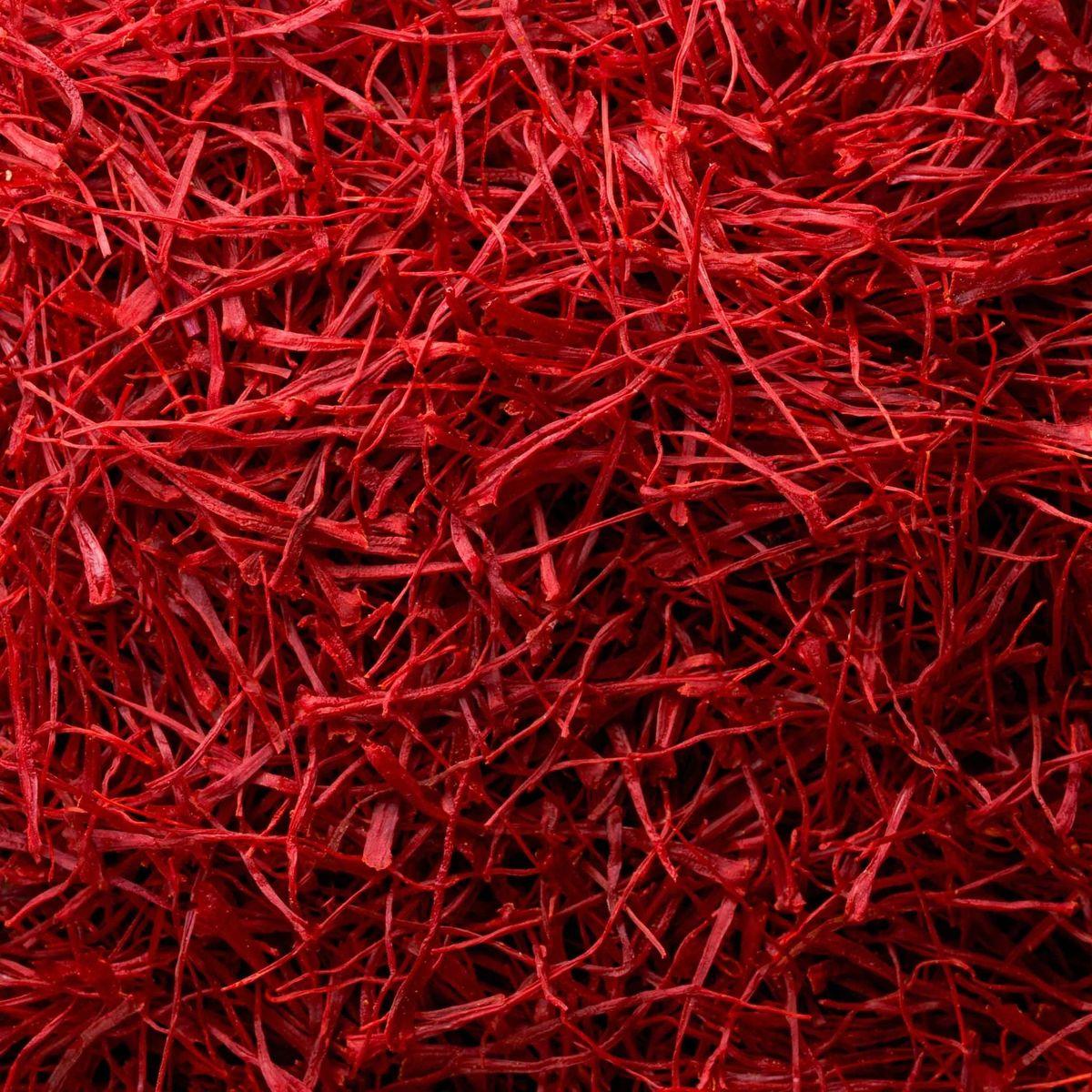
For Casa Zafferano, only the pristine Super Negin cut is acceptable. The yellow style is meticulously trimmed away by hand, leaving only the thickest, unbroken, deep-red tips of the stigma. This process requires incredible precision and patience, as a single slip can break the fragile red threads. The trimmed stigmas are then dried slowly on woven silk screens over a gentle, controlled heat source, locking in the vital flavor and color chemistry and preserving the structural integrity of the threads.
Strict Laboratory Testing and Selection
Saffron is one of the most counterfeited agricultural products in the global spice trade, which makes rigorous verification an absolute necessity. Lower-grade threads are often dyed, sprayed with chemical flavorings, or mixed with safflower petals to trick buyers. To eliminate doubt and guarantee authenticity, every batch we import undergoes rigid chemical analysis in independent laboratories. We test our saffron according to the strict ISO 3632-1 standard.
This chemical assay measures purity, moisture levels, and the exact concentration of active coloring (crocin), aroma (safranal), and taste (picrocrocin) molecules. Only batches that comfortably exceed the threshold for Category I—the highest possible international grade—receive our seal and make it to packaging. By holding ourselves to these strict scientific metrics, we ensure that every thread of Casa Zafferano saffron delivers consistent, therapeutic strength to your kitchen.
Cellared in Seattle: The Airtight Glass Safeguard
Once our saffron successfully passes laboratory testing, it travels to our packaging facility in Seattle, Washington. Here, we hand-pack every single order into airtight glass jars with aluminum tops. Standard plastic containers or loose paper baggies let in ambient humidity, which quickly makes the threads damp and robs them of their potent aroma.
Our airtight glass jars act as a natural vault, completely sealing out external moisture and oxygen. This unique barrier preserves the active chemical compounds, acting as a protective environment that keeps our saffron as fresh, crisp, and potent as the day it was dried in Herat. When you open a jar of Casa Zafferano in your home, you are greeted by the exact same aroma that drifted through the Afghan drying rooms months before.
Published by Shaya Arya
More from the Journal
Apr 09, 2026
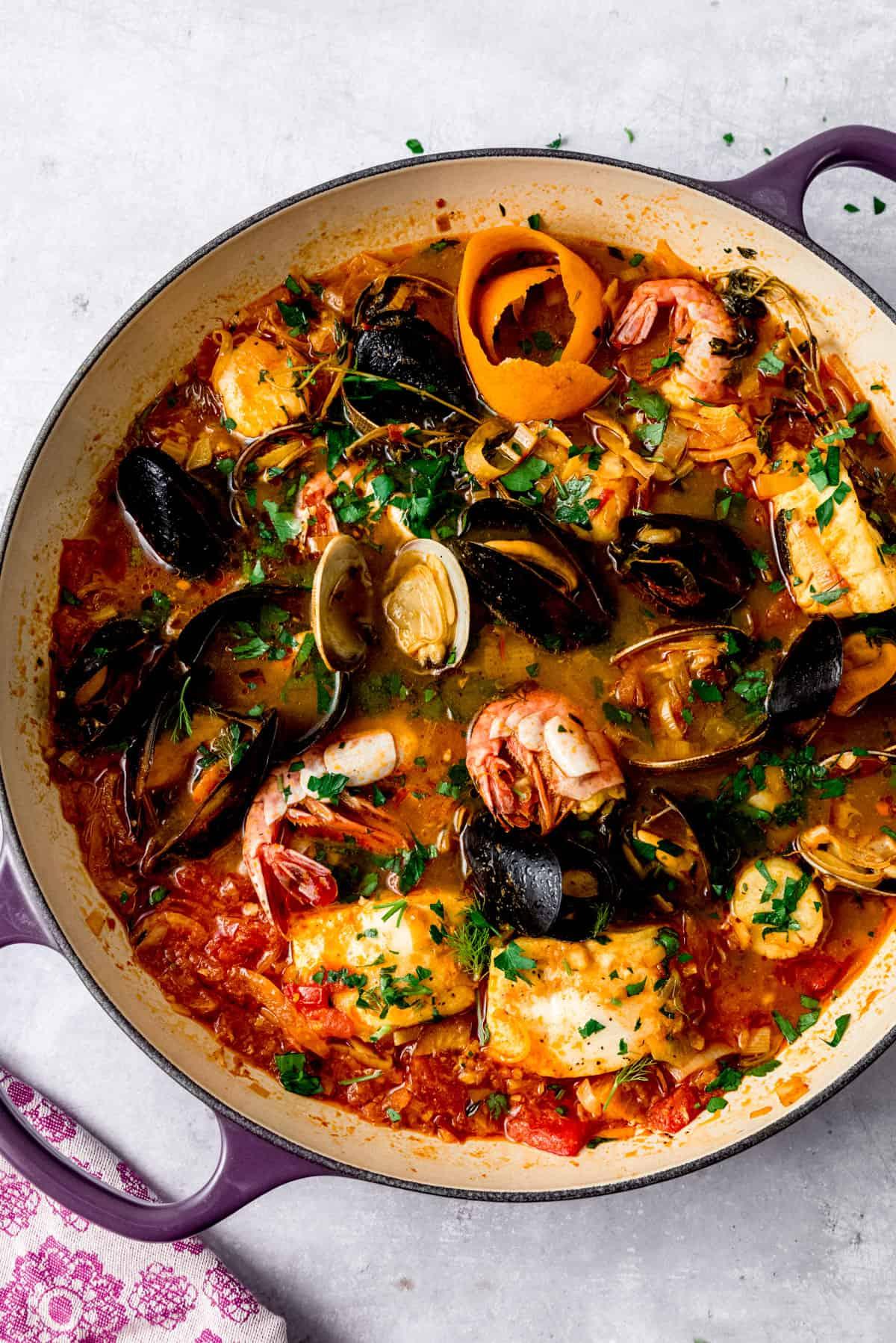
Moroccan Tagine and Saffron: The Slow-Cooked Soul of North African Cuisine
Inside the conical clay vessels of Marrakech and Fez, saffron meets preserved lemon, ginger, and slow-simmered meat to define one of the world's great cuisines.
Apr 08, 2026
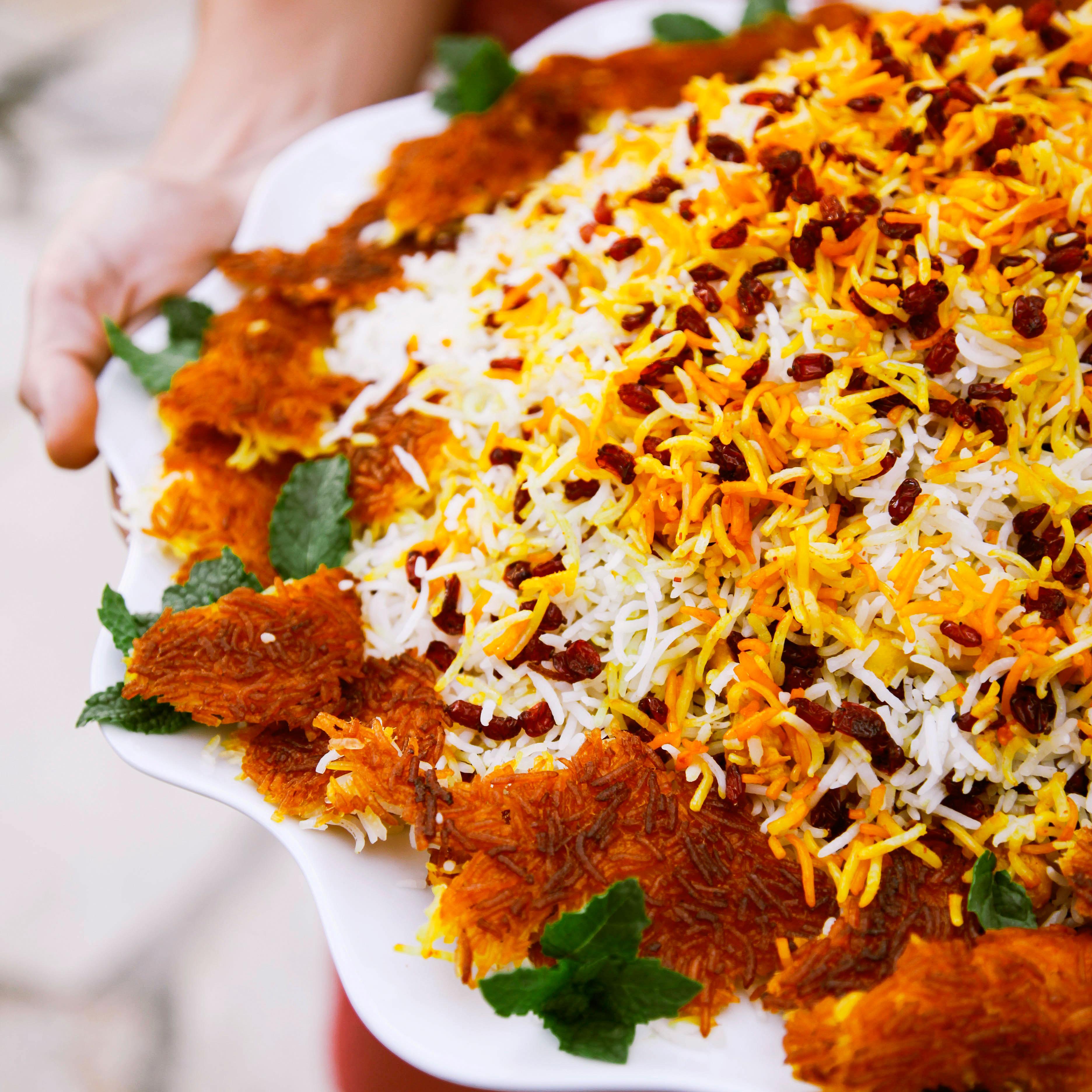
Uzbek Plov: The Saffron-Crowned Centerpiece of Central Asian Hospitality
From Samarkand to Tashkent, the cast-iron kazan and the saffron-perfumed plov define a culinary tradition that has fed Silk Road travelers for over a thousand years.