
May 02, 2026 · 8 min read · By Shaya Arya
Joojeh Kabab: The Persian Art of Saffron-Marinated Grilled Chicken
"Discover the marinade chemistry, fire control, and yogurt-saffron alchemy that produce Iran's most beloved summertime grill — bright, juicy, and unmistakably golden."
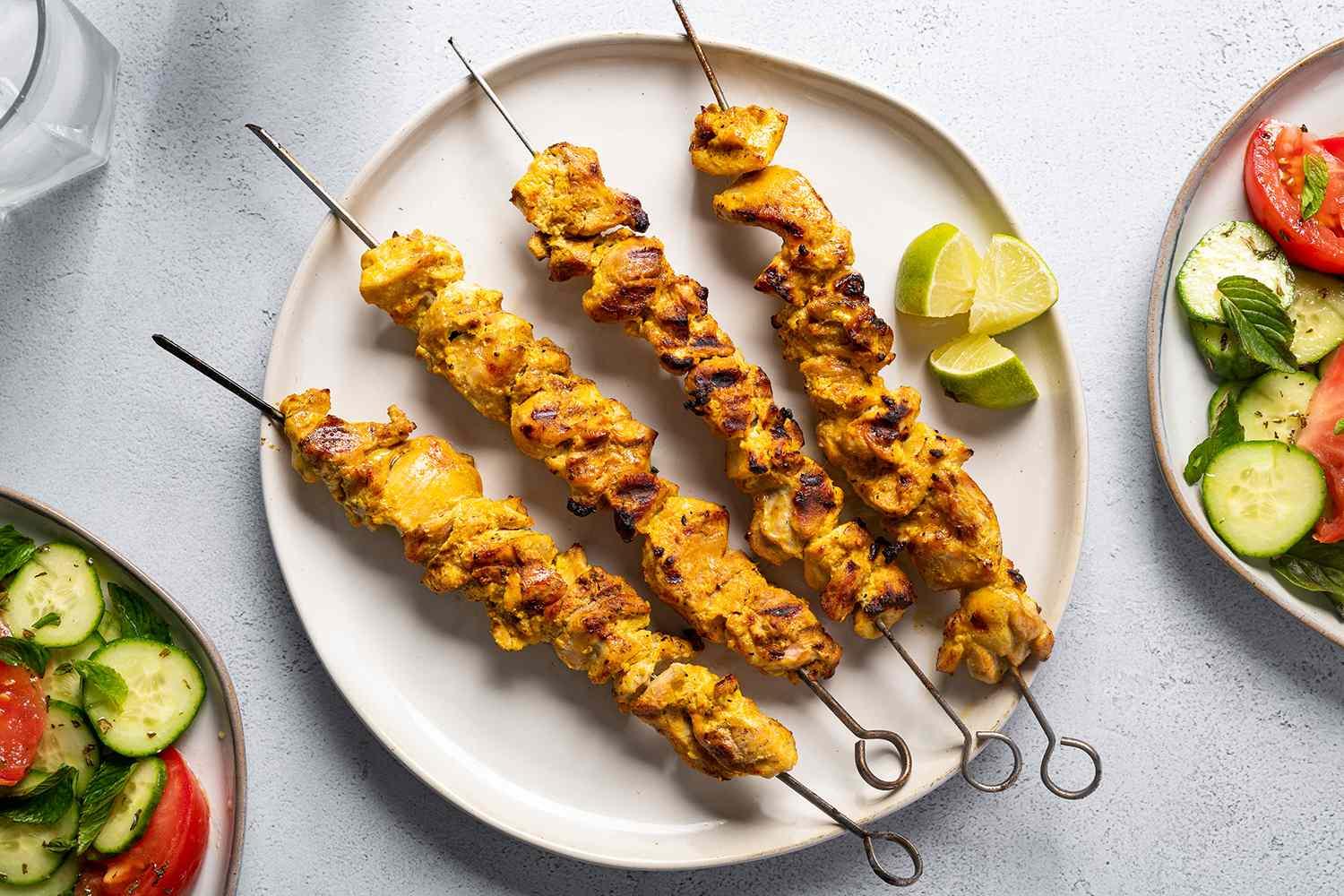
On warm spring weekends across Iran, the air around backyard grills and Caspian Sea picnics fills with an unmistakable aroma: charred chicken kissed by saffron, lemon, and grilled onion. This is joojeh kabab, perhaps the most universally adored item on the Persian kabab menu. Unlike the dense beef-and-lamb skewers of koobideh or the chunky cuts of barg, joojeh is light, bright, and unapologetically perfumed. It is the dish that introduces most Western diners to Persian cuisine in restaurants from Seattle to Los Angeles, and it is also the dish that most rewards the use of genuinely premium saffron. The marinade, the marination time, the grill control, and the saffron grade together determine whether your joojeh tastes like a generic chicken skewer or like the real thing.
The Saffron-Yogurt Marinade: A Lesson in Acid Tenderization
Authentic joojeh begins with a yogurt-based marinade. Full-fat plain yogurt — ideally Greek or Persian strained yogurt — is whisked with grated onion, a generous squeeze of fresh lemon juice, olive oil, kosher salt, and freshly cracked black pepper. The chemistry of this base is critical. Yogurt's lactic acid is a remarkably gentle tenderizer: unlike the harsh effect of straight citrus marinades, which can turn the surface of chicken breast chalky and overly firm, lactic acid penetrates more slowly and unwinds the muscle proteins without making them mealy. The result is chicken that is exceptionally juicy, with a faintly tangy depth that grilling intensifies rather than masks.
Into this yogurt base, the cook folds two to three tablespoons of bloomed A+ Super Negin saffron. The bloom is prepared by grinding roughly twenty-five threads with a pinch of coarse salt or sugar in a mortar, then steeping the powder in three tablespoons of warm water for ten to fifteen minutes. When this golden saffron liquid is whisked into the yogurt, the entire marinade transforms: it turns a deep, sunset-orange and begins to release the floral honey aroma that defines the dish. The fat-soluble safranal binds to the milk fats in the yogurt, ensuring that the aroma is locked into the marinade rather than evaporating during the long rest. Cubed boneless chicken thigh — the cut of choice for forgiving moisture and flavor — is added to the bowl, tossed thoroughly, and refrigerated for a minimum of four hours, ideally overnight.
Skewering and Fire Discipline
When the chicken has marinated, it is threaded onto wide, flat metal skewers — never round wooden ones, which allow the meat to spin and prevent even charring. Traditional Persian skewers are roughly half an inch wide, providing enough surface area to grip the chicken cubes and rotate them smoothly over the coals. The skewers are grilled directly over hot, glowing hardwood charcoal — the open-flame method known as kabab roo-ye atash, or 'kabab over the fire.' The high radiant heat sears the surface within ninety seconds per side, locking in the saffron-yogurt marinade and creating the lacquered, golden-amber crust that defines a properly grilled joojeh. The interior remains exceptionally juicy because the marinade's yogurt fats and the chicken thigh's natural lipids resist drying out.
The Final Brush: Saffron Butter Finish
Just before the joojeh comes off the fire, master Persian grillers apply one final touch: a brush of warm, melted butter blended with an additional half-teaspoon of bloomed saffron. This last-second saffron application is one of the great tricks of Persian cuisine. Because the volatile safranal compounds in saffron evaporate quickly under high heat, the saffron applied during the marinade has largely committed its color but lost some aroma by the time the chicken is fully cooked. The final saffron-butter brush deposits a fresh, fragrant coat on the surface of the kabab, ensuring that when the skewer arrives at the table, the diner is greeted by an immediate burst of warm, floral aroma. The butter also adds a subtle gloss to the chicken and helps the saffron color cling to the surface, transforming the kabab into a luminous, golden showpiece.
Plating and Pairings
Joojeh kabab is traditionally served with chelow — fluffy steamed basmati rice with a generous drizzle of bloomed saffron — and a side of grilled tomato, raw onion sprinkled with sumac, fresh herbs, and warm sangak or lavash bread. The smoky char of the grilled tomato pairs beautifully with the floral saffron in the chicken, while the sumac-dusted raw onion provides a sharp, palate-cleansing counterpoint that resets the senses between bites. For home cooks in Seattle and across the United States, Casa Zafferano's hand-trimmed A+ Super Negin saffron offers the exact crocin and safranal concentration needed to achieve restaurant-grade joojeh in your own backyard, transforming a weekend grill session into a true Persian feast.
Published by Shaya Arya
More from the Journal
Apr 09, 2026
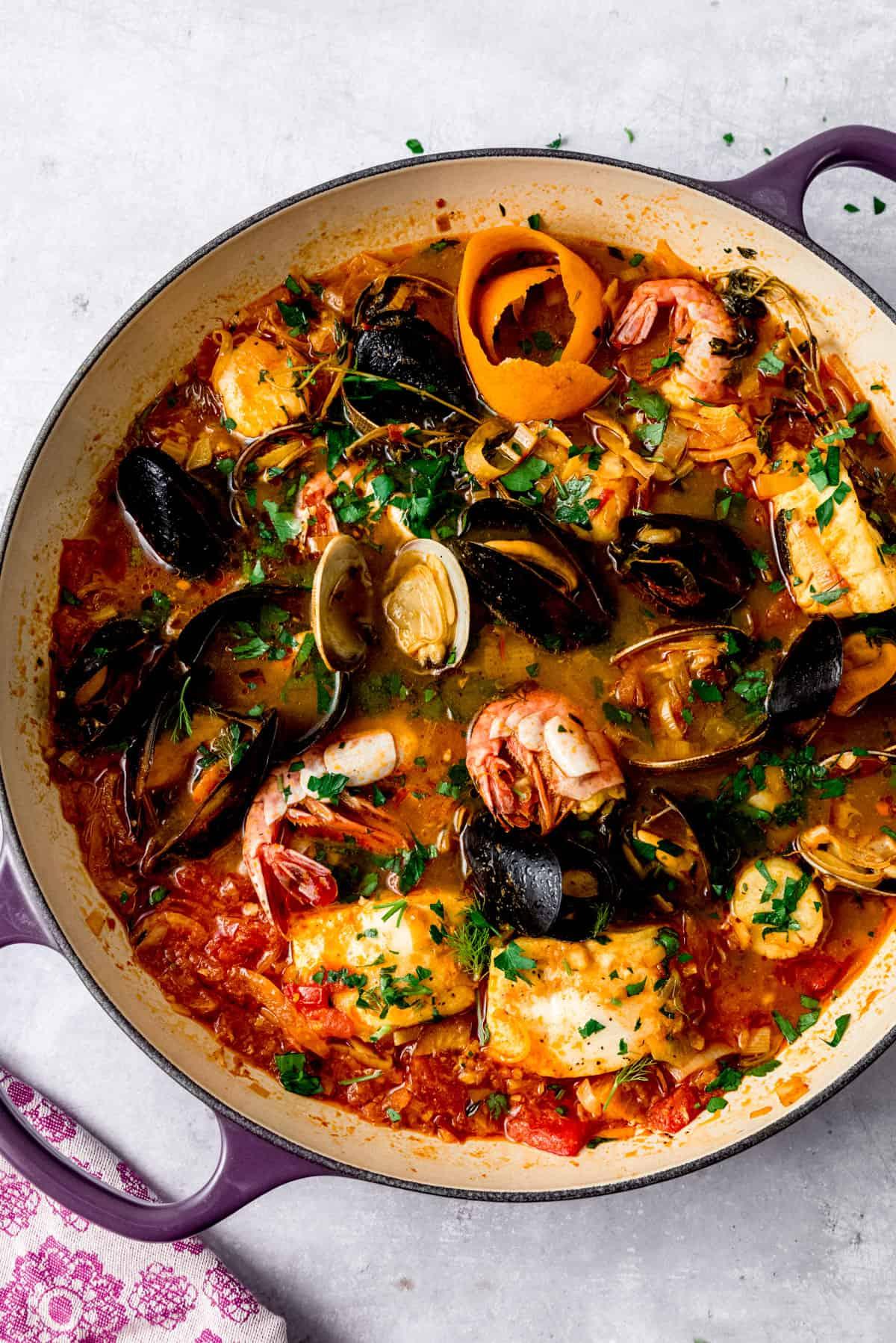
Moroccan Tagine and Saffron: The Slow-Cooked Soul of North African Cuisine
Inside the conical clay vessels of Marrakech and Fez, saffron meets preserved lemon, ginger, and slow-simmered meat to define one of the world's great cuisines.
Apr 08, 2026
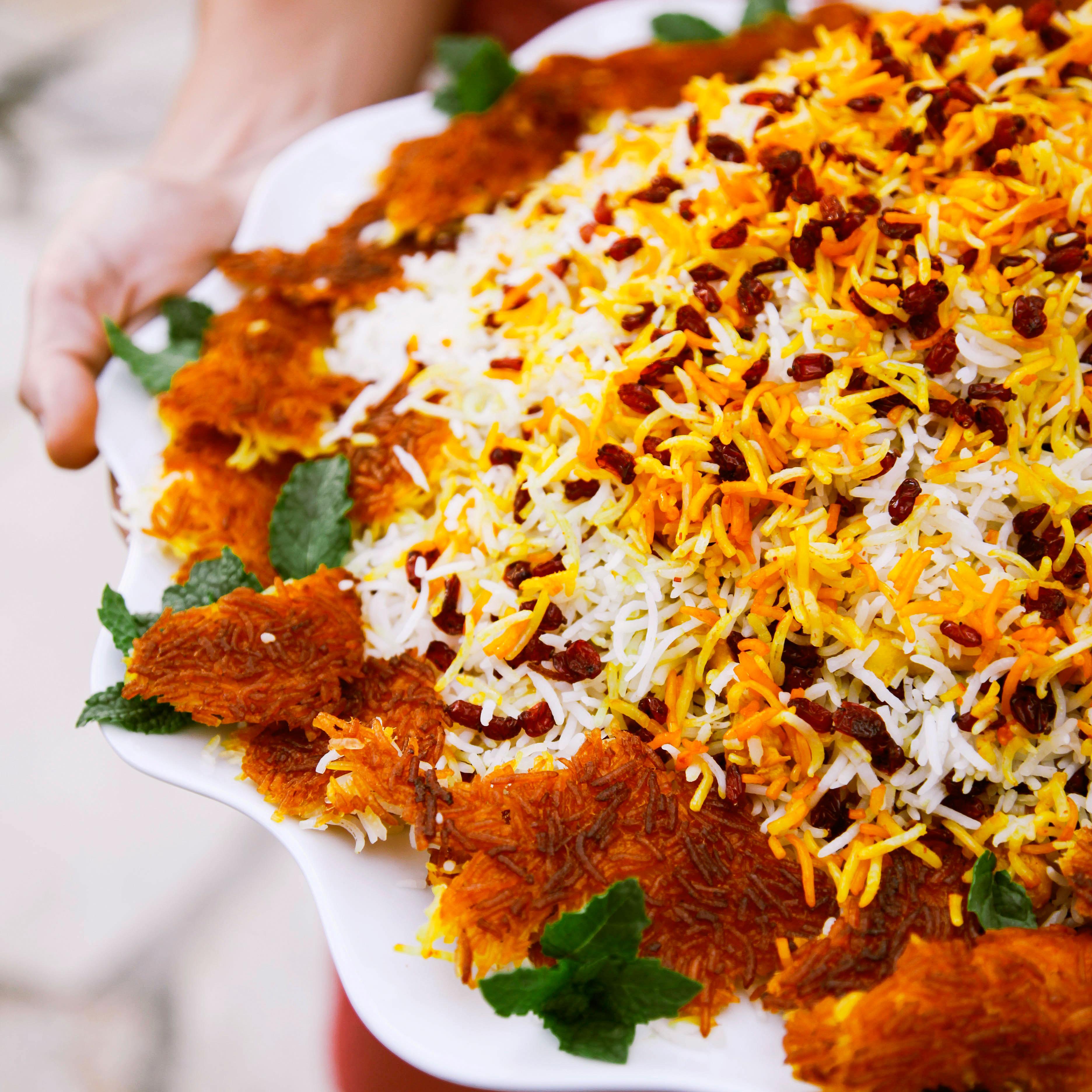
Uzbek Plov: The Saffron-Crowned Centerpiece of Central Asian Hospitality
From Samarkand to Tashkent, the cast-iron kazan and the saffron-perfumed plov define a culinary tradition that has fed Silk Road travelers for over a thousand years.