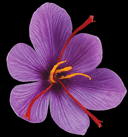
Apr 23, 2026 · 8 min read · By Shaya Arya
ISO 3632 Explained: The International Standard That Defines Saffron Quality
"Beyond marketing claims, the only objective measure of saffron quality is ISO 3632 spectrophotometric grading. Here is what those numbers actually mean."
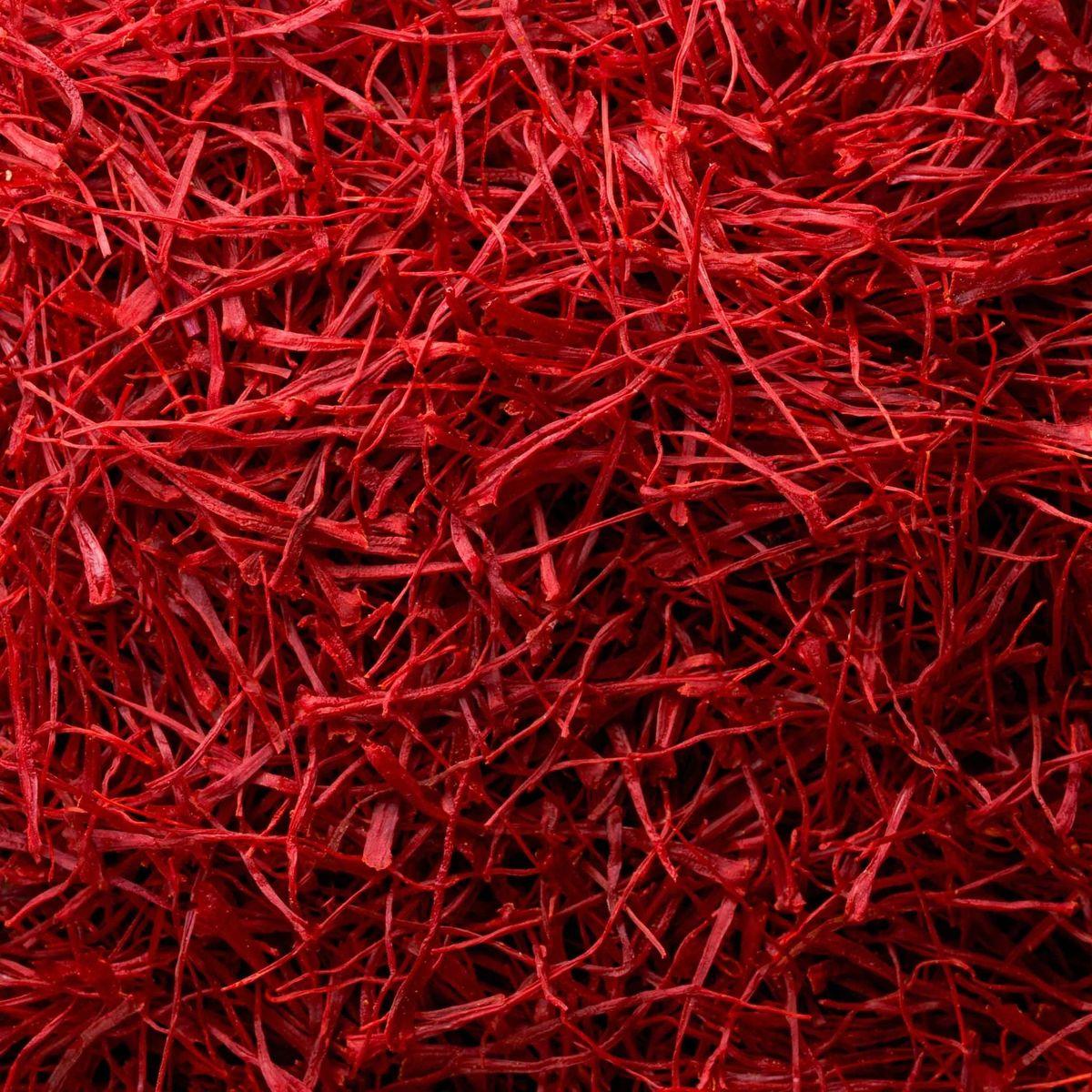
Across the global saffron market, sellers describe their product with a dizzying array of marketing labels: 'premium,' 'extra,' 'Negin,' 'Super Negin,' 'Sargol,' 'all-red,' 'A++,' 'royal grade.' These names mean different things in different regions, and many are entirely invented for marketing purposes. The only objective measure of saffron quality recognized internationally is the ISO 3632 standard, established by the International Organization for Standardization and revised most recently in 2011. ISO 3632 defines saffron quality not by appearance, country of origin, or trade name, but by laboratory measurement of three specific chemical markers in independently tested samples. Understanding what these numbers mean is the single most important thing a serious saffron buyer can learn.
The Three Markers: Crocin, Safranal, Picrocrocin
ISO 3632 measures three chemical markers, each corresponding to one of saffron's sensory dimensions. Crocin is the family of water-soluble carotenoid pigments responsible for saffron's golden color, measured spectrophotometrically at 440 nanometers. Safranal is the volatile essential oil responsible for saffron's distinctive aroma, measured at 330 nanometers. Picrocrocin is the bitter glycoside responsible for saffron's characteristic taste, measured at 257 nanometers. Each marker is reported as an absorbance value, with higher numbers indicating greater concentration of the active compound per unit mass of dried saffron. These three numbers — taken together — provide a complete, objective fingerprint of saffron quality that no marketing claim can match or contradict.
Category I, II, and III: The Quality Tiers
ISO 3632 sorts saffron into three categories based on the measured concentrations of these three markers. Category I — the highest grade — requires a crocin absorbance value of at least 200, a safranal value of at least 20 (and no more than 50), and a picrocrocin value of at least 70. Category II requires crocin at 170, safranal at 20, picrocrocin at 55. Category III requires crocin at 120, safranal at 20, picrocrocin at 40. Saffron that fails to meet even Category III requirements is technically not certifiable as saffron under the international standard and is generally considered adulterated, degraded, or improperly dried. Casa Zafferano's A+ Super Negin saffron routinely tests at crocin values above 270 — comfortably exceeding Category I requirements and placing it in the top one percent of saffron produced globally.
How the Measurement Actually Works
The ISO 3632 measurement process is rigorous and reproducible. A representative one-gram sample of dried saffron is ground to a fine powder, dissolved in distilled water, and centrifuged to remove solid debris. The clear liquid is then run through a UV-visible spectrophotometer, which fires light beams at the precise wavelengths corresponding to crocin (440 nm), safranal (330 nm), and picrocrocin (257 nm). The instrument measures how much light is absorbed at each wavelength, and the resulting absorbance values are reported on a dry-mass basis. Because the test is purely spectrophotometric, it cannot be fooled by visual appearance, marketing claims, or country of origin. A red thread that looks beautiful but contains low crocin will measure as low-grade saffron, regardless of what the package says.
The Difference Between Negin, Sargol, Pushal, and Super Negin
Beyond ISO 3632, the saffron trade also uses Persian-origin grading terms based on physical cut and morphology. Pushal is whole stigma with significant yellow style attached, generally the lowest-cost grade. Sargol is the trimmed red tip of the stigma, with most of the yellow removed — a midrange product. Negin refers to thicker, well-formed all-red threads. Super Negin is the absolute pinnacle: hand-trimmed, longer, thicker, fully intact red stigmas with zero yellow content, sorted by length and visual integrity. These morphological grades correlate strongly with ISO 3632 chemistry — Super Negin reliably produces the highest crocin and safranal values because the cut isolates the most bioactive-dense portion of the stigma. When a producer combines Super Negin morphological grading with independent ISO 3632 testing, you get the most reliable quality signal available in the global market.
Why Independent Testing Matters
Self-reported quality claims by saffron sellers should be viewed with skepticism. The global counterfeit and adulteration trade depends on consumers trusting unverifiable labels. The only meaningful guarantee is independent laboratory testing performed by an accredited third-party facility, with results made available to buyers either directly or by request. At Casa Zafferano, we batch-test every shipment we import from Herat through an independent laboratory and publish the results to our wholesale and retail customers. This transparency is the reason our customers — from Seattle restaurants to home cooks across the United States — can buy with confidence, knowing that the chemistry of their saffron has been verified before it ever enters our airtight glass jars.
Published by Shaya Arya
More from the Journal
Apr 09, 2026
Moroccan Tagine and Saffron: The Slow-Cooked Soul of North African Cuisine
Inside the conical clay vessels of Marrakech and Fez, saffron meets preserved lemon, ginger, and slow-simmered meat to define one of the world's great cuisines.
Apr 08, 2026
Uzbek Plov: The Saffron-Crowned Centerpiece of Central Asian Hospitality
From Samarkand to Tashkent, the cast-iron kazan and the saffron-perfumed plov define a culinary tradition that has fed Silk Road travelers for over a thousand years.