
May 18, 2026 · 8 min read · By Vikram Taneja
Mastering Saffron: The Practical Guide to Blooming and Culinary Chemistry
"Saffron rewards patience and culinary chemistry. Learn how to bloom your threads using hot steeps or ice to extract maximum flavor and aroma."
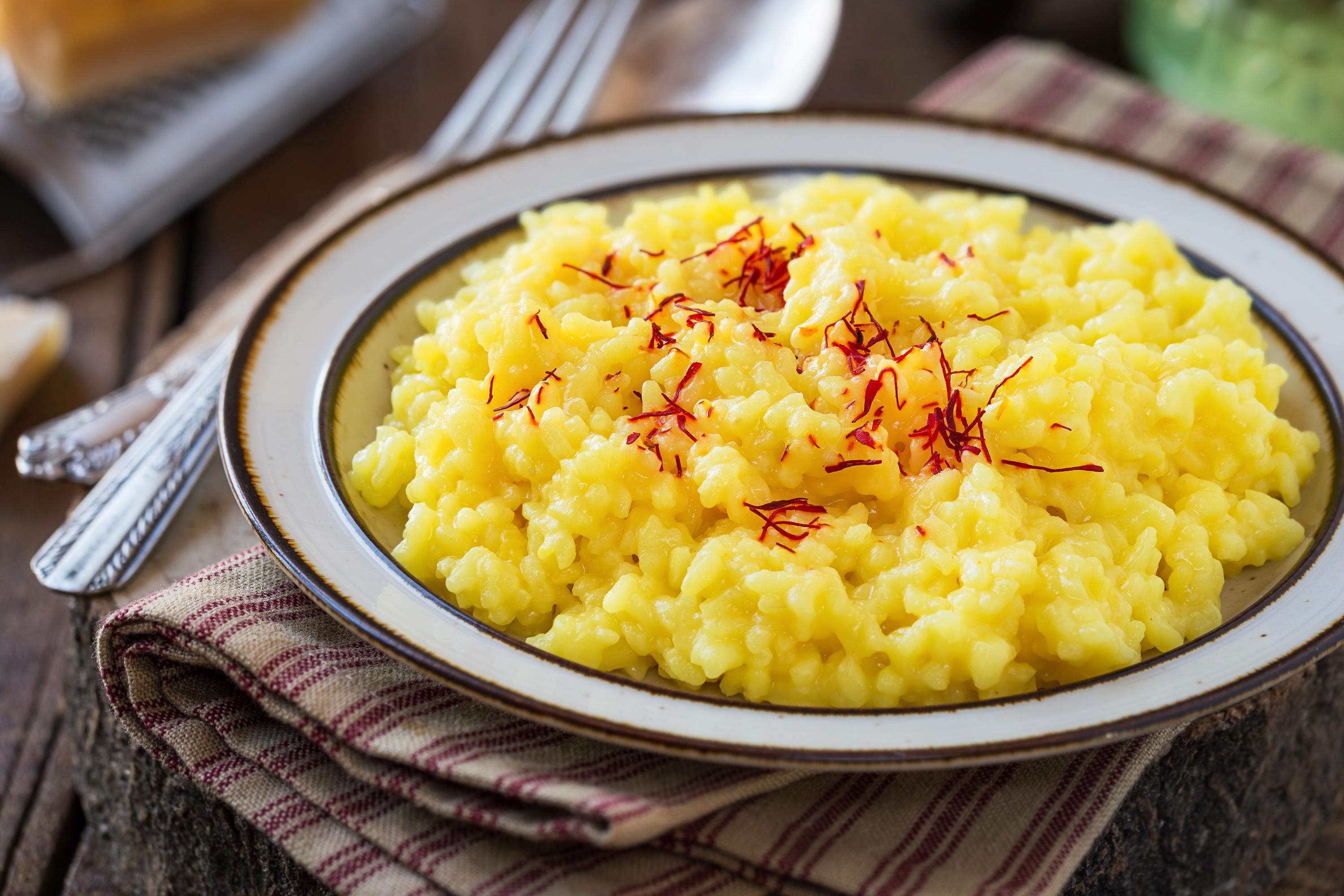
Saffron is a legendary spice that holds the power to transform a humble bowl of rice or a seafood broth into a sensory masterpiece. Yet, because of its premium nature, many home cooks treat it with nervous hesitation—or worse, throw dry threads directly into a bubbling pot. To truly master saffron, one must understand its culinary chemistry. Saffron is not a simple herb; it is a complex chemical package that rewards a small amount of patience and structured preparation.
The Chemistry of Flavor Extraction
Saffron's primary culinary compounds are highly concentrated but behave differently under heat and moisture. The golden yellow color comes from crocin, which is highly water-soluble. However, the floral honeyed aroma comes from safranal, which is volatile and evaporates quickly under sustained heat. Therefore, throwing dry saffron threads directly into hot fat or a long-boiling soup is a culinary waste—the color will barely release, and the beautiful aroma will simply vanish into the steam.
To extract the absolute maximum from your threads, you must separate color extraction from final cooking. The water-soluble crocin requires liquid to dissolve, which is why dry threads added directly to frying onions will yield poor results. By blooming the saffron beforehand, you create an active liquid infusion where the color and aroma are fully suspended, ready to be introduced to your dish at the perfect culinary moment.
How to Bloom Saffron Properly: Two Methods
To extract the absolute maximum color and aroma, you must always bloom your saffron in a small amount of liquid before adding it to a dish. The classic approach relies on a warm water steep. First, grind a pinch of saffron threads with a small pinch of sugar or coarse salt in a mortar and pestle. The crystals act as a natural abrasive, breaking open the cellular walls of the threads and grinding them into a fine, deep-red powder. Pour two to three tablespoons of warm, not boiling, water—around 60°C or 140°F—over the ground saffron. Cover the container with a small plate and let it steep for 10 to 15 minutes. The liquid will bloom into a deep, glossy orange-gold.
The second, more modern method favored by Persian chefs is the ice-bloom. This technique is highly effective for capturing volatile aroma compounds. Place a pinch of ground saffron directly onto a small ice cube in a cup. Let the ice melt slowly at room temperature. As the ice melts, the cold water coaxes out the water-soluble crocin while keeping the delicate, volatile safranal trapped in the liquid. The resulting infusion is exceptionally fragrant, presenting a deep, almost crimson hue that elevates any dish it touches. This cold-extraction method preserves the subtle honeyed notes of the spice that are often lost during hot preparation.
Rules of the Kitchen: When to Add Saffron
Once you have your bloomed saffron liquid, you must introduce it to your cooking at the correct moment. For long-simmering dishes like a Spanish paella or a French bouillabaisse, add the saffron bloom in the last 10 to 15 minutes of cooking. This allows the color to spread evenly through the broth while ensuring the delicate aroma compounds do not evaporate under prolonged heat. For a Persian rice dish like Tahdig or Zereshk Polo, drizzle the saffron bloom over the rice just before the final steam, or fold it in during the final assembly. This ensures the delicate aroma remains intact and greets the diner as soon as the lid is removed.
Dosage and Honest Weights
Because Casa Zafferano sells only A+ Super Negin saffron, the potency is exceptionally high. You do not need a large volume to season a meal. A small culinary pinch of roughly 15 to 20 threads is perfect for a simple teapot of saffron chai or a side of steamed rice for two. For a generous, showstopping meal like a Milanese Risotto or a seafood Paella for a group of four to six guests, a quarter of a gram (about 35 threads) will easily suffice. Saffron's active compounds continue to develop and meld with adjacent ingredients over time, meaning dishes prepared with premium saffron often taste even richer, more complex, and more harmonious when eaten as leftovers the following day.
Published by Vikram Taneja
More from the Journal
Apr 09, 2026
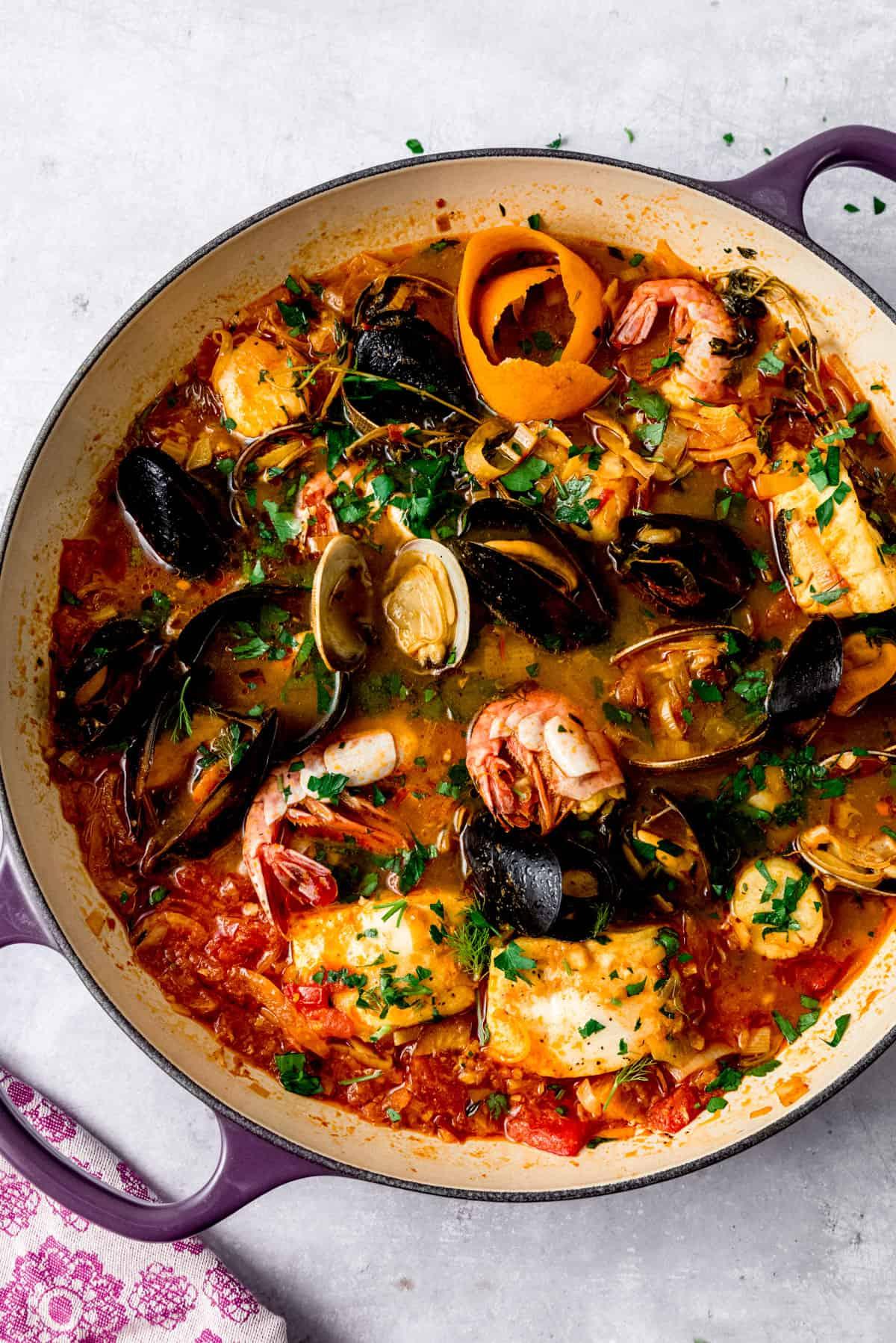
Moroccan Tagine and Saffron: The Slow-Cooked Soul of North African Cuisine
Inside the conical clay vessels of Marrakech and Fez, saffron meets preserved lemon, ginger, and slow-simmered meat to define one of the world's great cuisines.
Apr 08, 2026
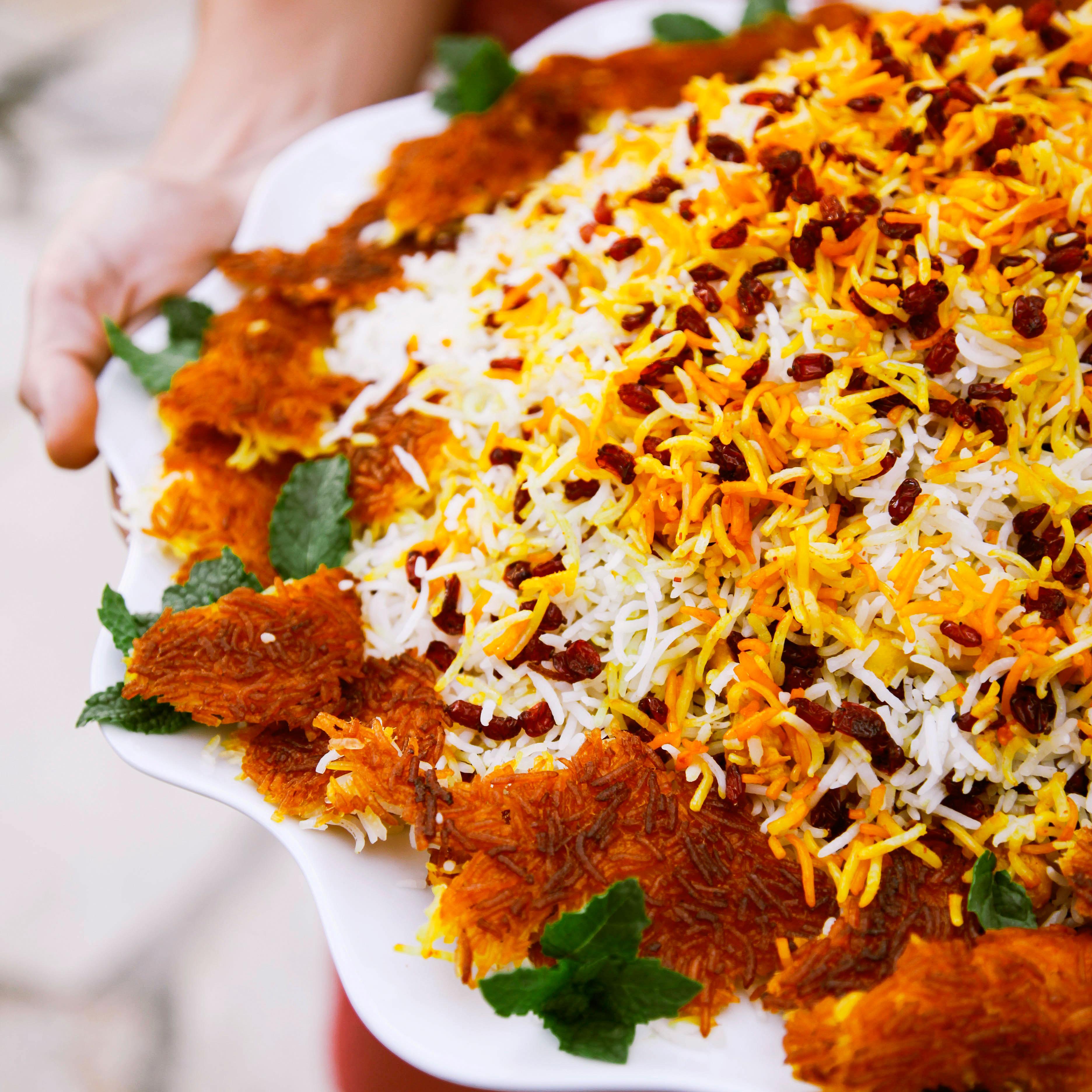
Uzbek Plov: The Saffron-Crowned Centerpiece of Central Asian Hospitality
From Samarkand to Tashkent, the cast-iron kazan and the saffron-perfumed plov define a culinary tradition that has fed Silk Road travelers for over a thousand years.