
May 13, 2026 · 7 min read · By Vikram Taneja
Baking with Fire: The Chemistry of Saffron Desserts and Custards
"Discover how dairy fats hold and protect delicate saffron esters, transforming classic custards and baking recipes into masterpieces."
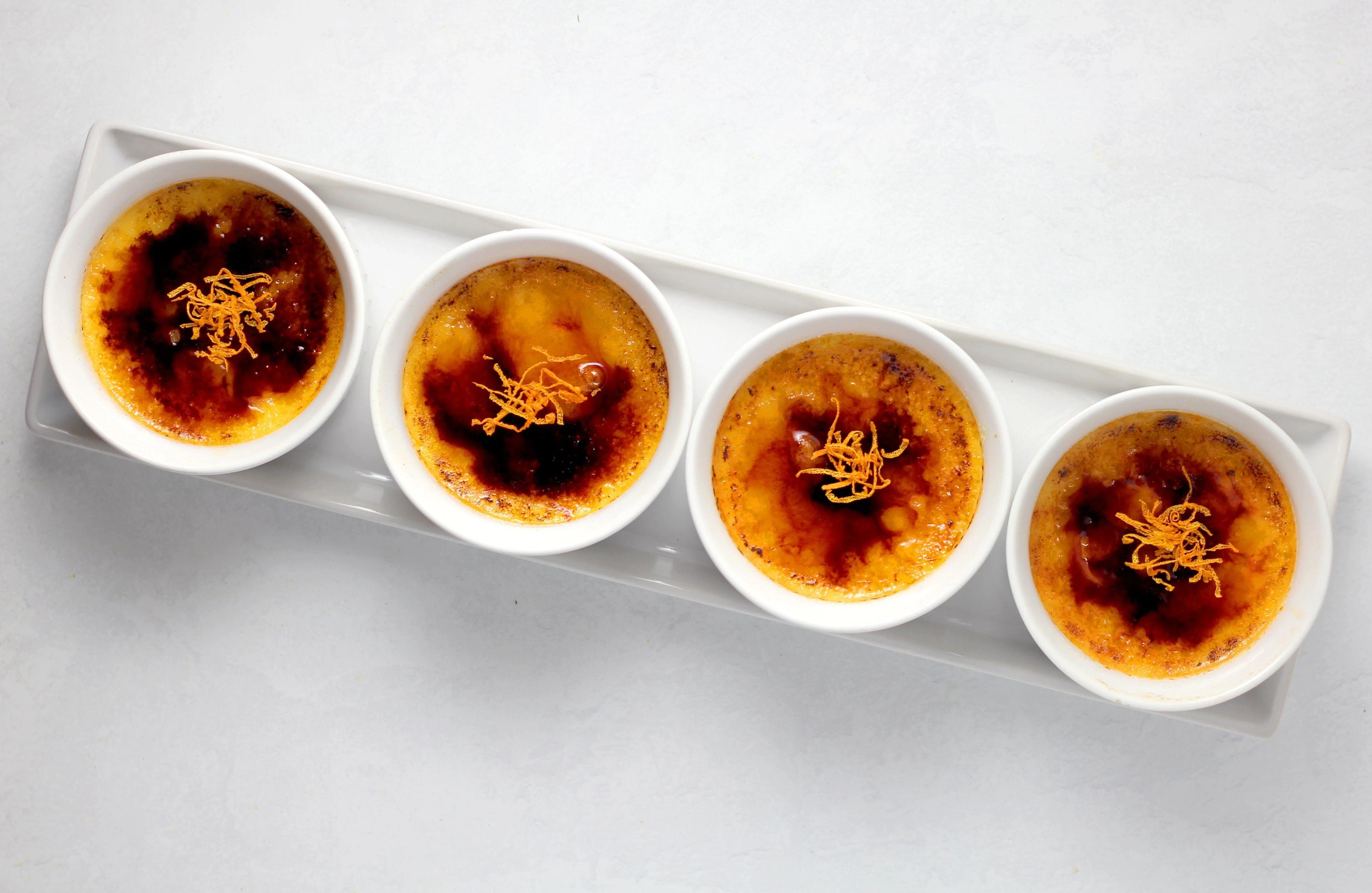
While saffron is most famous for its starring roles in savory rice dishes and rich seafood stews, its relationship with sweets is deeply rooted in pastry history. From the golden saffron buns of Sweden to the aromatic milk puddings of India, pastry chefs have long recognized the spice's capacity to elevate desserts. However, baking with saffron is a precise science, requiring a solid understanding of how heat and fats interact with its delicate chemical compounds to preserve flavor and achieve a brilliant visual appearance.
Preserving the Volatile Esters
As we explore the science of baking, we must remember that saffron's signature aroma compound, safranal, is highly volatile. When exposed to temperatures above 100°C (212°F) in a hot oven, it begins to evaporate rapidly, potentially leaving your baked goods smelling faint or papery. To prevent this aromatic loss, pastry chefs rely on lipids. Eggs, heavy cream, and butter act as natural chemical cages. Their fat molecules surround and bind with the safranal esters, locking them into the batter or custard base and preventing them from vanishing into the oven's exhaust.
In a classic saffron crème brûlée, for instance, the saffron is steeped slowly in hot heavy cream before being whisked into egg yolks. The resulting custard is baked at a low, gentle temperature in a water bath (*bain-marie*). This slow, moist baking process preserves the delicate honey-like aromas of the saffron, keeping them locked inside the velvety, rich custard until the diner breaks through the caramelized sugar crust. The yolk's natural lecithin helps stabilize this emulsion, resulting in an incredibly smooth, aromatic mouthful.
Enhancing the Color of Doughs
When incorporating saffron into baked breads or cakes, like Scandinavian *lussekatter* (saffron buns), hydration is key. The threads must be bloomed in warm milk or a splash of alcohol (like cognac or rum) before being mixed into the flour. The water-soluble crocin pigments will bleed through the dough, turning the bread a brilliant, uniform sunflower gold that is visually stunning and highly appetizing. Saffron's active compounds also interact with the yeast, providing a subtle depth of flavor that contrasts beautifully with dried raisins or pearl sugar decorations.
The Chemistry of Sugar Bindings
Sugar plays an intriguing chemical role in saffron desserts, acting as both a sweetening agent and a flavor stabilizer. When saffron is bloomed in a warm sugar solution, the glucose and fructose molecules form temporary hydrogen bonds with the water-soluble crocin pigments. This molecular binding helps stabilize the color, preventing the bright gold hue from fading during high-temperature baking. Furthermore, the light caramelization of sugars during baking harmonizes beautifully with saffron's natural, bitter picrocrocin tones, smoothing out the spice's earthy edges and transforming it into a warm, sophisticated sweetness that lingers elegantly on the palate.
Published by Vikram Taneja
More from the Journal

Apr 09, 2026
Moroccan Tagine and Saffron: The Slow-Cooked Soul of North African Cuisine
Inside the conical clay vessels of Marrakech and Fez, saffron meets preserved lemon, ginger, and slow-simmered meat to define one of the world's great cuisines.

Apr 08, 2026
Uzbek Plov: The Saffron-Crowned Centerpiece of Central Asian Hospitality
From Samarkand to Tashkent, the cast-iron kazan and the saffron-perfumed plov define a culinary tradition that has fed Silk Road travelers for over a thousand years.