
May 22, 2026 · 9 min read · By Shaya Arya
Fesenjan Unveiled: The Saffron-Kissed Pomegranate and Walnut Stew of Persia
"Master the slow-simmered Persian classic where toasted walnuts, pomegranate molasses, and A+ Super Negin saffron harmonize into a velvety, ruby-bronze sauce."
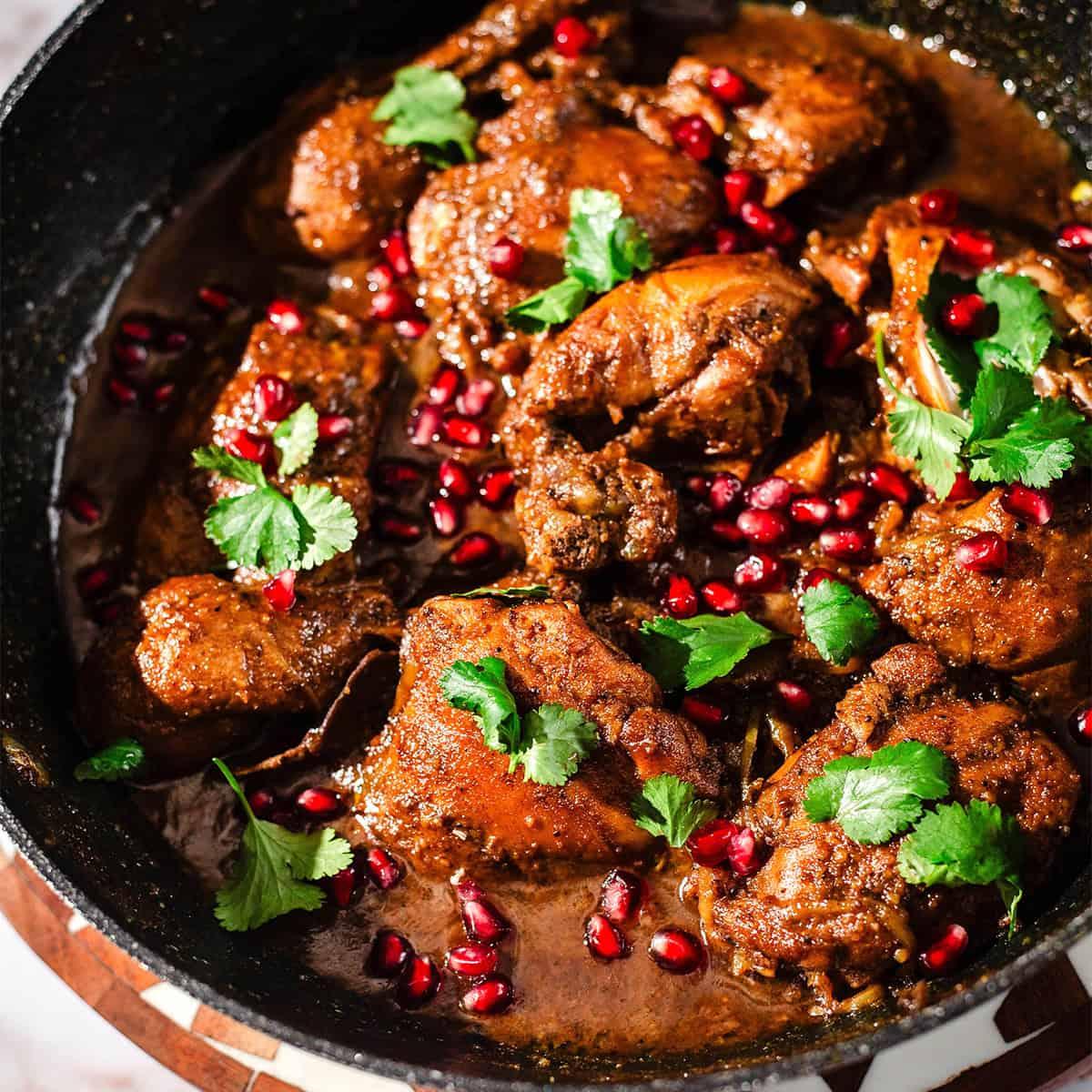
Among the deeply colored Persian khoreshts that anchor a traditional Iranian meal, none commands more cultural reverence than Khoresh-e Fesenjan. Originating in the lush, rain-fed forests of Gilan and Mazandaran along the Caspian Sea, fesenjan was historically reserved for royal banquets, Nowruz celebrations, and the autumn wedding tables that mark the rhythm of Persian family life. At its heart, it is a paradox: a stew that is at once sweet and sharply sour, deeply nutty yet astonishingly silky, dark mahogany in color yet illuminated from within by a fine pour of bloomed A+ Super Negin saffron. To understand fesenjan is to understand the Persian culinary philosophy of contrast — where opposing flavors are not merely tolerated, but celebrated, balanced, and unified by the floral, honey-soft warmth of saffron.
The Chemistry of the Walnut Base
Fesenjan's structure begins with raw walnut halves, slowly toasted until their natural oils begin to release. Walnuts are exceptionally lipid-rich, containing roughly 65 percent fat by weight, with a high concentration of polyunsaturated omega-3 alpha-linolenic acid. When ground into a coarse paste and simmered in water for several hours, these oils slowly emulsify into the cooking liquid, creating the velvety body that defines the dish. This long simmer is non-negotiable: short-cooked walnut sauces taste raw, bitter, and gritty, while a properly cooked fesenjan reveals a smooth, deep mahogany sauce in which the walnut tannins have mellowed into a sweet, roasted earthiness.
Into this rich base, the cook introduces pomegranate molasses (rob-e anar), a dense, syrupy reduction of sour pomegranate juice that supplies both acidity and a profound fruit depth. The interplay between walnut oil and pomegranate acid is the chemistry that makes fesenjan possible: the acid breaks down the walnut lipids, encouraging emulsification, while the oil softens the bracing sourness of the molasses into a rounded, complex tang. A pinch of ground bloomed saffron, added in the final twenty minutes of simmering, threads through this dark base with its honeyed safranal aroma and its golden crocin pigment, creating a sauce that smells of toasted hazelnut wood, dried sour cherry, and warm hay.
The Protein: Duck, Chicken, or Meatballs
The original royal preparation of fesenjan called for duck, whose rich, fatty meat pairs naturally with the assertive walnut sauce. Today, most home cooks across Iran and the diaspora prepare it with bone-in chicken thighs or hand-rolled meatballs (koofteh) seasoned with grated onion, turmeric, and a touch of saffron. The protein is gently browned in olive oil or clarified butter and then nestled into the simmering walnut sauce, where it absorbs the dark, glossy liquid over the final hour of cooking. The slow heat allows the bones and connective tissue to dissolve their gelatin into the sauce, further reinforcing the velvety mouthfeel and emulsifying the saffron's fat-soluble aroma compounds into every spoonful.
Balancing Sweet, Sour, and Saffron
Mastering fesenjan is a question of balance, and the tasting spoon is the cook's most important tool. After the initial simmer, the sauce will lean sharply sour from the pomegranate molasses. Depending on the producer and the season, the molasses may also carry a faint bitterness from the pomegranate seeds. To round the profile, the cook adjusts with a small amount of date syrup, grape molasses, or simple cane sugar — never enough to make the dish dessert-sweet, but just enough to coax out the natural sweetness of the toasted walnuts. The final touch is the saffron bloom: roughly twenty threads of A+ Super Negin ground with a pinch of coarse salt and steeped in three tablespoons of warm water for ten minutes. Stirred in just before serving, the saffron infuses the sauce with a luminous golden-amber finish and an unmistakable floral lift that ties the entire dish together.
Serving and Cultural Significance
Fesenjan is always served alongside chelow — fluffy, steamed long-grain basmati rice — with the bottom layer crisped into tahdig and crowned with another delicate drizzle of saffron bloom. The contrast is essential: the snowy, perfumed rice tempers the deep richness of the walnut sauce, while the crisp golden tahdig provides a textural counterpoint that turns each bite into a celebration of contrast. In northern Iranian households, fesenjan is the dish that signals an important occasion. To serve a guest fesenjan is to honor them with hours of patient simmering, premium saffron, and the harvest of the family's own walnut trees. At Casa Zafferano, we recommend our hand-trimmed A+ Super Negin saffron for fesenjan precisely because its concentrated crocin content cuts cleanly through the heavy walnut sauce, lending the finished dish the unmistakable luminous glow of a proper Persian wedding table.
Published by Shaya Arya
More from the Journal
Apr 09, 2026
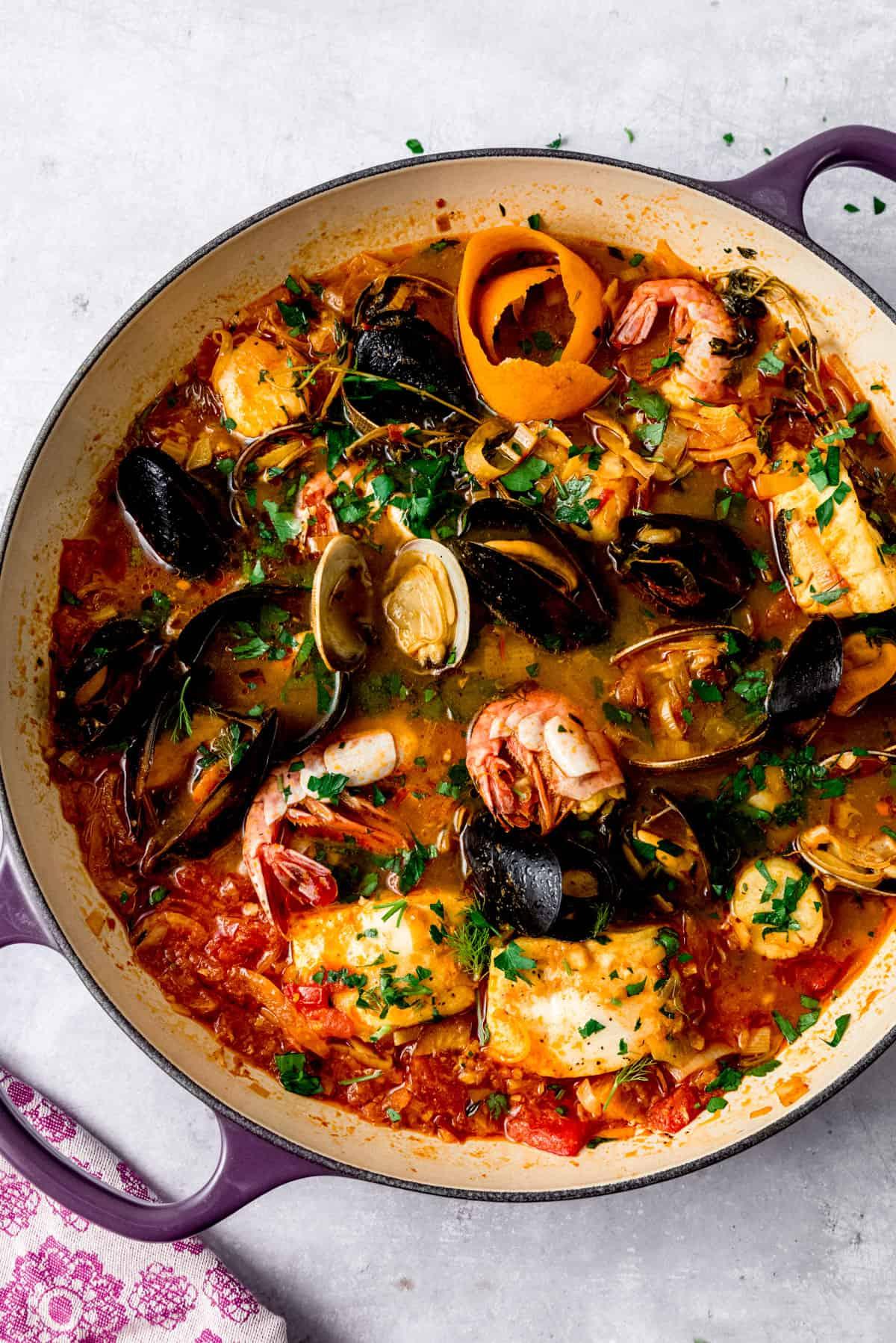
Moroccan Tagine and Saffron: The Slow-Cooked Soul of North African Cuisine
Inside the conical clay vessels of Marrakech and Fez, saffron meets preserved lemon, ginger, and slow-simmered meat to define one of the world's great cuisines.
Apr 08, 2026
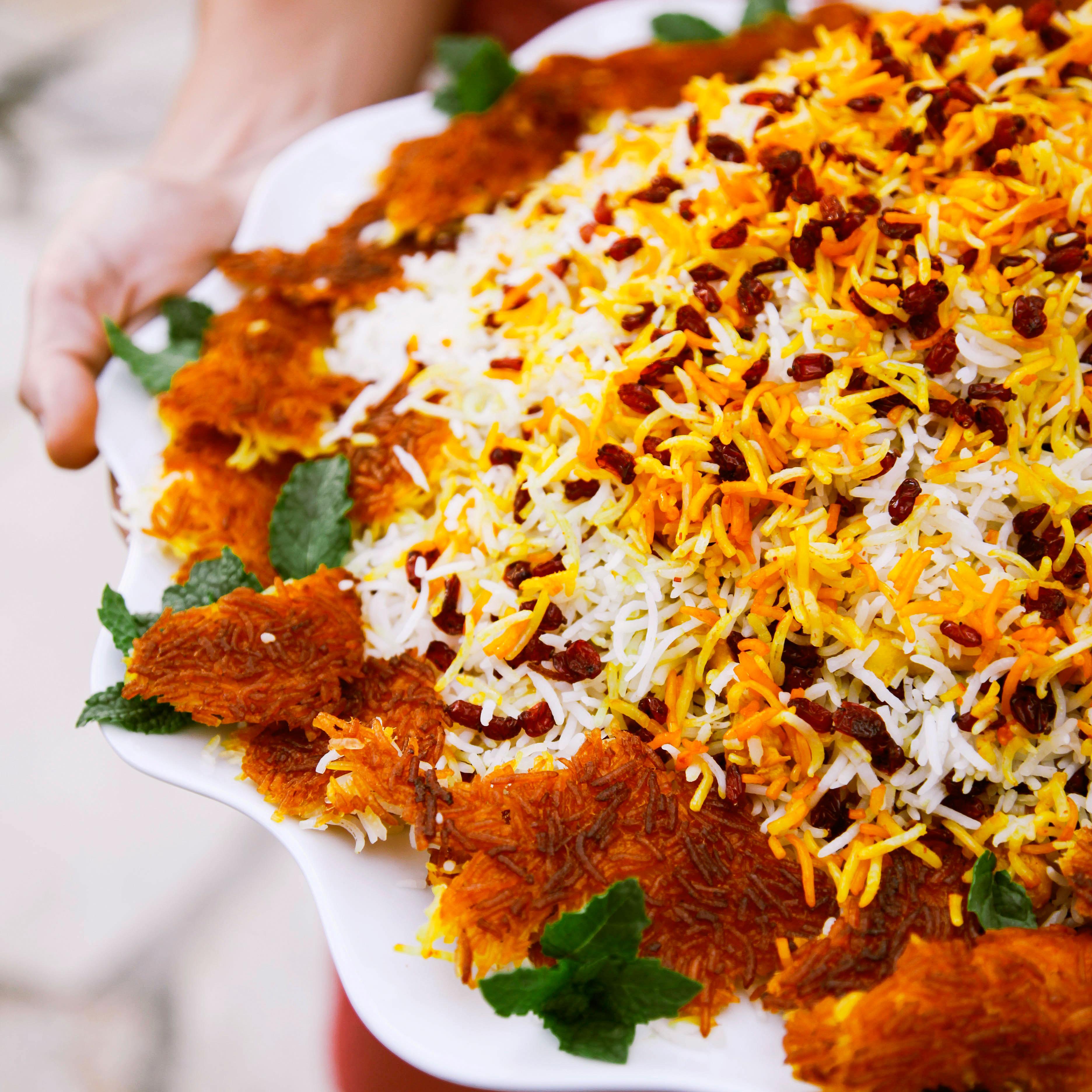
Uzbek Plov: The Saffron-Crowned Centerpiece of Central Asian Hospitality
From Samarkand to Tashkent, the cast-iron kazan and the saffron-perfumed plov define a culinary tradition that has fed Silk Road travelers for over a thousand years.